
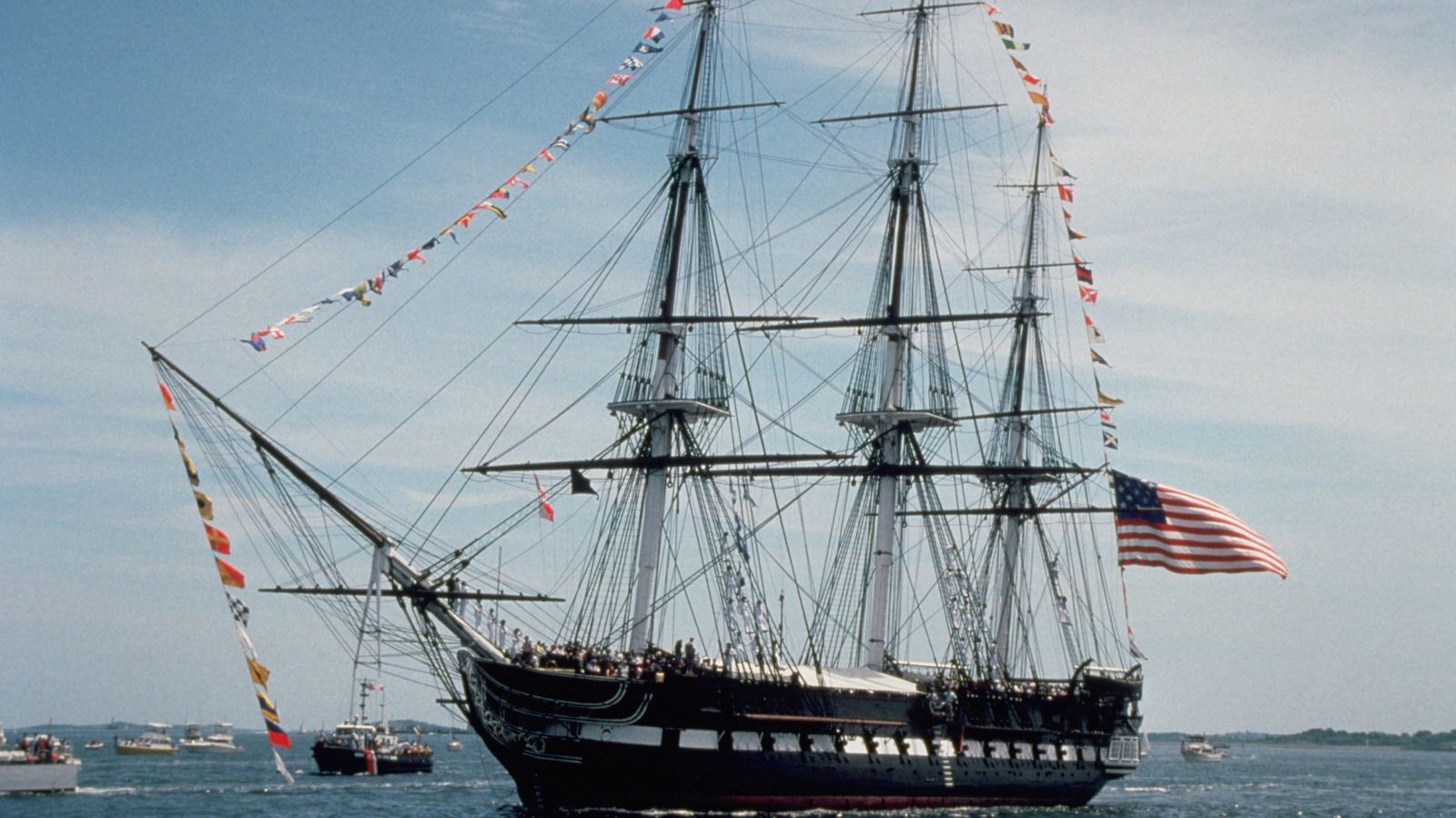
The USS Constitution, a wooden warship built in the 1700s and one of America’s longest-serving ships, is getting ready to sail again after careful preservation work and public attention; this piece traces its history, the recent restoration, why the upcoming movement matters, how the public can connect, and what the ship symbolizes today.
The sight of a wooden hull cutting through salt spray is almost cinematic, and the USS Constitution carries that image into real life. Launched in the late 18th century, she earned a reputation in early naval battles and kept her name through centuries of service and ceremony. Built of live oak and oak timbers, the ship stands as a physical link to the era when wooden warships dominated the seas.
Over the years, Constitution shifted from frontline duty to roles that preserved her history and inspired patriotism. She has been refitted and repaired many times, with caretakers balancing authenticity against the realities of weather and modern safety. Each conservation project aims to keep as much original fabric as possible while making sure the vessel can withstand another generation of visitors and, occasionally, a sail.
The recent decision to set the ship to sea again follows an extensive round of maintenance and inspections. Conservators replaced worn planks, checked rigging, and tested the hull under careful conditions to ensure seaworthiness. For staff and volunteers, getting Constitution moving is both a technical challenge and an emotional milestone, proof that the ship remains more than a museum artifact.
A sailing of this kind is not like sending a modern cruiser out for routine drills. It requires old-fashioned seamanship skills paired with modern safety protocols, and a small, specialized crew trained to handle traditional sails and systems. The focus is on short trials and public-friendly movements rather than long deployments, allowing people ashore to watch a living piece of history perform the work it was designed for.
Public interest in the USS Constitution tends to spike whenever she moves under her own canvas. Crowds gather along coastal viewing points and social media lights up with images and commentary, turning the event into a civic moment. For educators and history fans, a sail provides a visceral learning moment: students can see how wind, canvas, and wooden structure combine to make a ship go.
More than a spectacle, Constitution is a teaching platform for maritime craft and early American history. Programs aboard and ashore introduce visitors to life at sea in the 1800s, from knotwork to cannon drills, and the ongoing conservation work itself is often part of the public story. Volunteers and Navy personnel use the ship to keep seamanship alive and to remind people how naval tradition helped shape the nation.
There is also a symbolic weight to seeing a centuries-old warship move under sail in the 21st century. The USS Constitution represents continuity, resilience, and a hands-on connection to the past that textbooks alone cannot provide. While conservationists remain cautious about how often she sails, even limited movements help keep the ship relevant and meaningful to new generations.
For anyone planning to experience the event in person, timing and viewing spots matter because the ship’s maneuvers are deliberate and closely managed. Watching from a harbor walkway or park gives good perspective, and public briefings sometimes accompany the sails to explain what’s happening and why. Whether you come for maritime history, the chance to see wooden craftsmanship in action, or the simple thrill of a living relic moving under wind, the USS Constitution delivers an unmistakable moment.
As the ship prepares to slip her moorings and head into familiar waters once again, the work behind the scenes keeps the focus on stewardship. Navy caretakers, shipwrights, and volunteers all play a role in making sure the visit to the open water goes smoothly. The result is a blend of history and hands-on preservation that reminds people why an old wooden hull still matters in a modern world.
