
Rear-wheel-drive sedans once filled showrooms with everything from plush luxury cruisers to sharp-edged sport machines, but the market shifted hard toward SUVs and EVs. Even so, a few automakers are still showing interest in bringing that old-school formula back, and the results could be seriously fun. The names in play range from familiar badges to long-missed favorites, with each one tapping into a different kind of driver appeal.
Buick is the surprise pickup here, especially since its current lineup is all crossovers. That might not last, though, because GM is reportedly working on a refreshed rear-drive Alpha 2 platform that could support a new Buick sedan alongside a revived Chevrolet Camaro.
It has been decades since Buick sold a proper rear-drive car, and the last one to wear that setup was the Roadmaster in the 1990s. A new sedan would have to live up to the brand’s performance past, and that alone makes the idea a lot more interesting than your average family hauler. If GM really gives Buick a four-door with genuine rear-drive bones, this could become one of the most unexpected comebacks in the segment.
Mazda is another brand that keeps sedans in the conversation without making much noise about it. The company still sells the Mazda3, but the bigger, more ambitious Mazda6 disappeared in 2021, leaving a gap that enthusiasts have not forgotten.
What keeps the rumor mill spinning is Mazda’s rear-drive-based platform, already used under the CX-80 and CX-90 with inline-six power. Mazda once considered a next-gen Mazda6 on that architecture before shifting focus to SUVs, but the door has never seemed fully shut. Recent concepts, including the four-door Vision X-Coupe, suggest the company still likes the idea of a sleek, rear-drive sedan with some real character.
Ford’s situation is different, because it already has a big-name performance platform sitting in the spotlight. After dropping its mainstream sedans in 2020, Ford started leaning more heavily into the Mustang, and that has fueled talk of a sport sedan tied to the Mustang family, possibly with the Mach 4 name attached.
That idea actually makes a lot of sense if Ford wants to stretch the Mustang brand beyond a two-door coupe. A sedan version could open the door to more buyers who want style and speed without giving up rear seat space, and the old Dodge Charger and Challenger playbook shows how well a shared rear-drive platform can work in more than one body style.
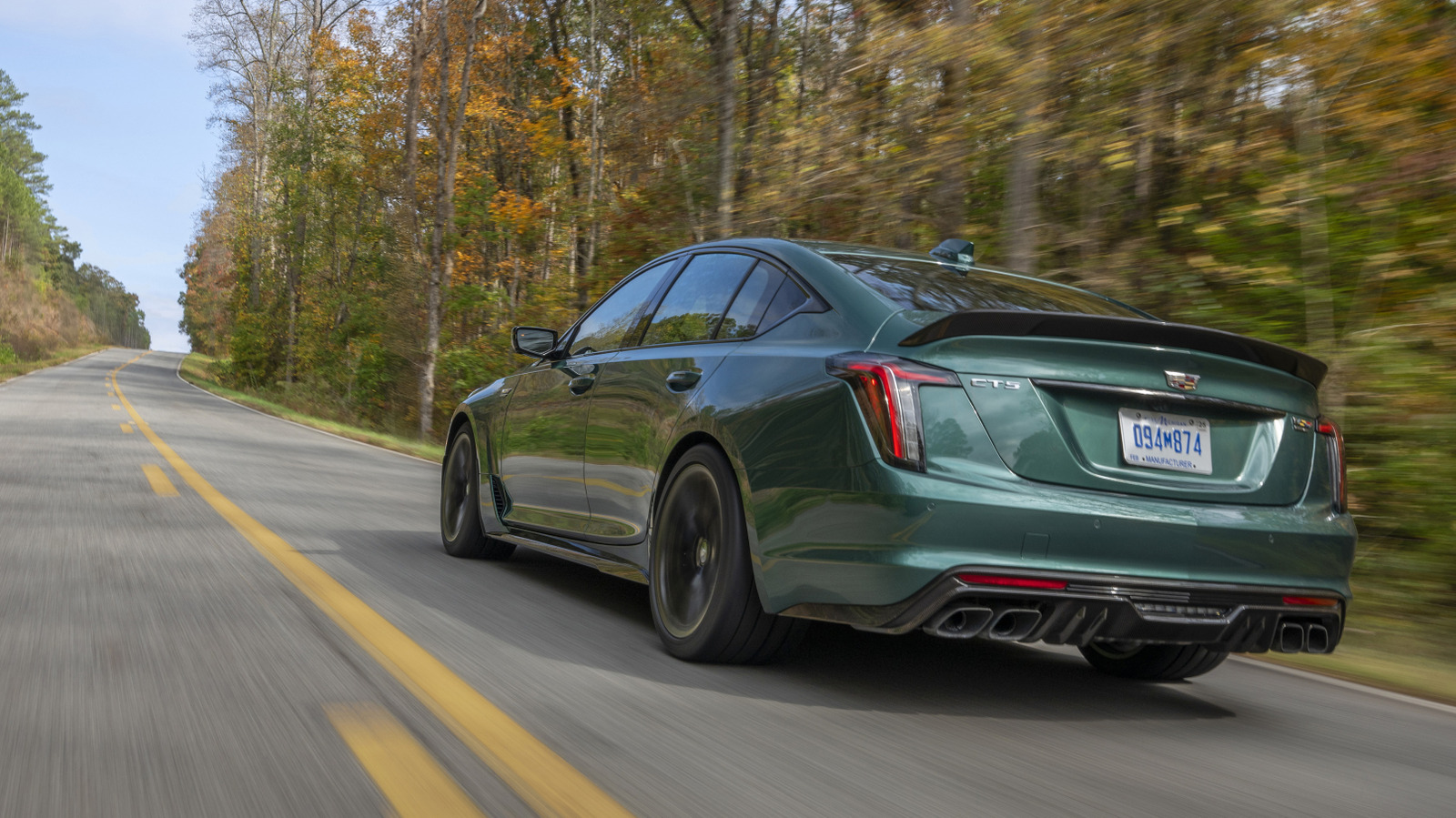
Cadillac is already in the game, but it may be about to get even better. The brand has spent years building serious enthusiast credibility with cars like the CT4-V Blackwing and CT5-V Blackwing, which helped prove Cadillac could do more than make comfortable luxury rides.
The concern is that the current CT4 and CT5 are heading out after 2026, which would leave Cadillac with only crossovers, SUVs, and EVs. Still, the CT5 appears to have a future on GM’s updated Alpha 2 platform, and that opens the door to more than one performance flavor. A return of the Blackwing makes sense, and the talk around a naturally aspirated V8 with a manual gearbox is exactly the kind of rumor that gets enthusiasts leaning in fast.
Nissan and Infiniti are working a similar angle, just with a global twist. Nissan has already confirmed plans for a new Skyline sedan for Japan, and it should keep the rear-drive layout that defines the current car.
That matters because the Skyline’s American cousin, the Infiniti Q50, seems to be on the way back too. Reports point to a rear-drive Q50 revival with manual transmission talk in the mix, which would make the new Infiniti and the Japanese-market Skyline feel like two sides of the same idea. Whether Nissan starts fresh or heavily updates the old formula, the brand seems determined to keep a traditional sedan alive in a world that keeps trying to phase them out.
For shoppers and enthusiasts, the appeal is easy to understand. Rear-wheel-drive sedans tend to feel more balanced, more playful, and more connected than the average front-drive commuter car, and that old-school personality still has a loyal audience.
What makes this moment especially interesting is that these returns are not just nostalgia for nostalgia’s sake. They are tied to real platforms, real product plans, and in some cases real powertrain possibilities that could make these cars stand out in a crowded market. If even a few of them make it through, the sedan could stop feeling like a relic and start feeling like a statement again.
