
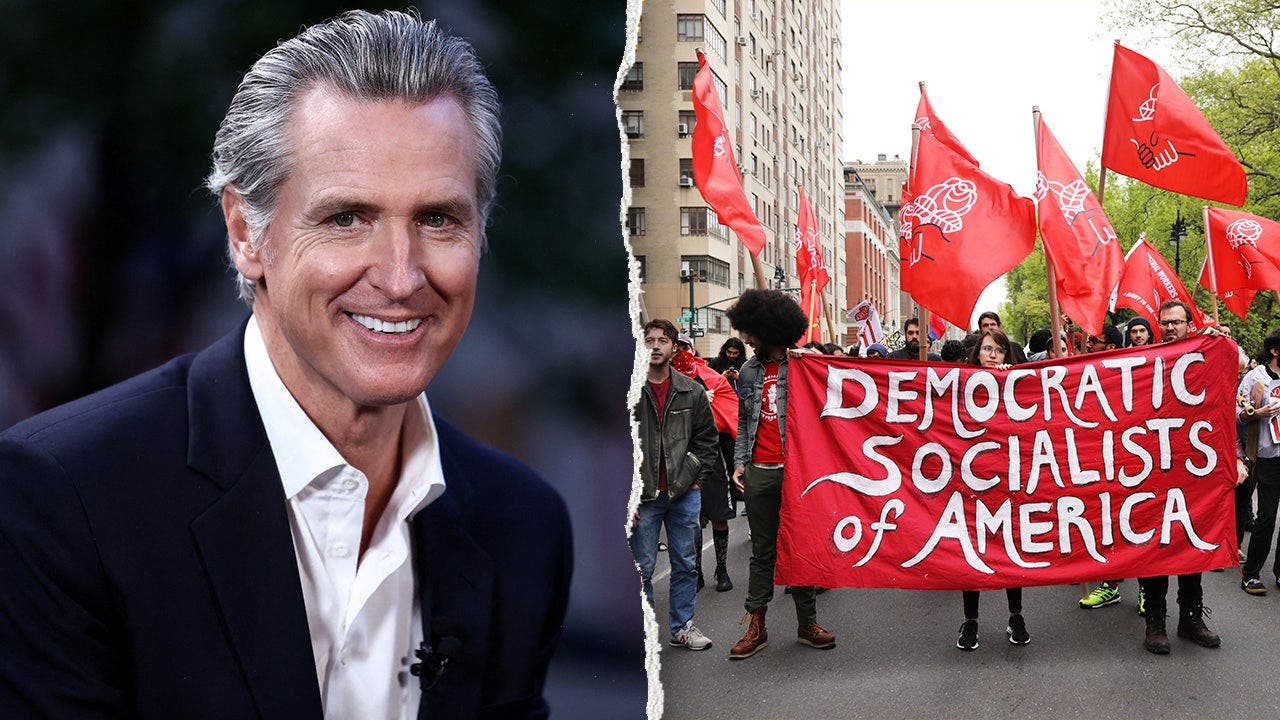
California’s billionaire tax fight has turned into a sharp test of how far the state wants to go on redistribution, and voters appear ready to shut it down. The proposal, backed by the Democratic Socialists of America, would have slapped a one-time 5% tax on a small group of the state’s wealthiest residents, while Gov. Gavin Newsom broke with the left and said the plan would hurt California’s competitiveness.
The measure, known as Proposition 40, targeted roughly 250 Californians who together hold about $2 trillion in assets. Supporters pitched it as a way to raise serious money for public services, especially healthcare, but critics saw something very different: a blunt wealth grab that would push capital, jobs and investment out the door.
That split cut right through California politics. The DSA leaned into the fight, arguing the state has enough money already and just needs to move it from rich pockets to public programs, while Newsom landed on the other side and warned that a state-by-state wealth tax would be a bad move.
Economist Richard Stern of Advancing American Freedom said the left often treats billionaires like they are sitting on giant stacks of cash, when much of that wealth is tied up in companies, equipment and other assets. In his view, that misunderstanding is a big reason these plans sound simple on paper but get messy fast in the real world.
The DSA’s materials tried to make the case that the tax would barely dent billionaire fortunes because wealth at the top keeps growing. Their pitch leaned on the idea that a temporary hit would still leave the ultra-rich better off than before, even while bringing in new revenue for the state.
Health care was a huge part of the sales job. The group argued the money could help close a projected shortfall in funding for Medi-Cal, California’s program for low-income residents, seniors and people with disabilities, and said most of the revenue should go toward healthcare with a smaller share reserved for education, food aid and administration.
That argument did not persuade everyone. Newsom said he opposed the measure because it would put the state at a disadvantage and because it was too narrow, too temporary and too likely to accelerate the kind of taxpayer flight California has already struggled with.
He also pointed out that major groups lined up against it, including firefighters, teachers, Planned Parenthood and much of organized labor. His message was plain: if that many groups are saying no, the plan probably does not have the legs to survive contact with reality.
Even as he rejected the California version, Newsom left the door open to a different conversation at the national level. That distinction mattered, since a federal wealth tax would raise very different questions about mobility, enforcement and how far Americans can go to shield assets from government reach.
Stern argued that broader version would still run into the same basic problem, only bigger. People can leave California more easily than they can leave the country, but if the rules get heavy enough, wealthy individuals and businesses will look for exits wherever they can find them.
That is where the debate gets bigger than just one ballot measure. At its core, Proposition 40 became a clash over whether the state should chase money from the people who built major companies or protect the climate that allows those companies to stay and grow in the first place.
Newsom’s own opposition gave the fight extra punch because it exposed a rare break between California’s Democratic establishment and the socialist wing pushing harder left. That divide made the tax battle feel less like a budget question and more like a live-wire argument over the future direction of the state.
With voters leaning against the measure, the fallout is already visible in the bigger political conversation. California is still wrestling with huge costs, stressed public programs and rising pressure for more revenue, and the fight over who pays for it is not going away anytime soon.
