
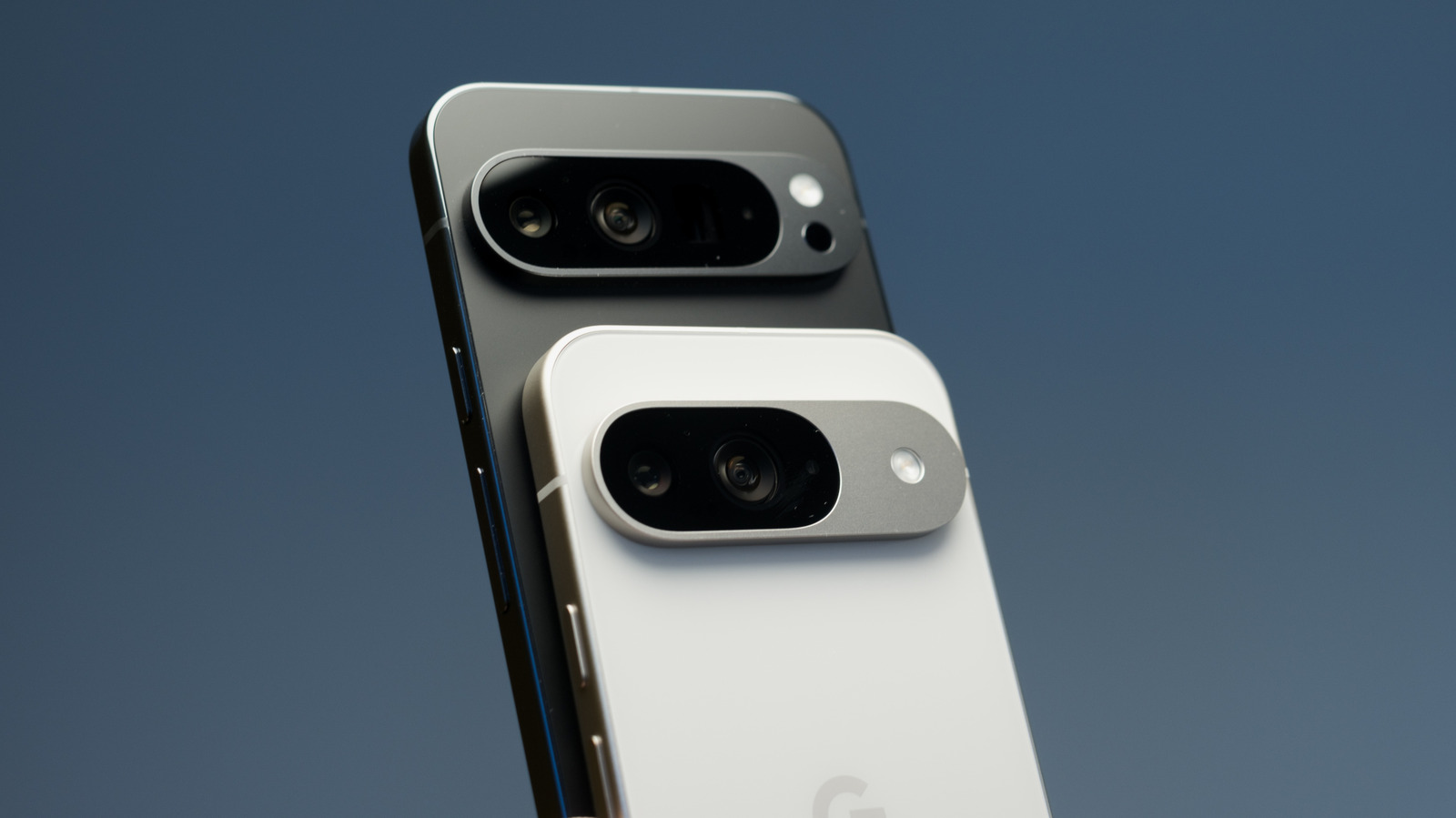
Buying a Google Pixel sounds like a safe bet on paper: clean software, fast updates, and cameras that can punch way above their weight. But once you look past the hype, there are a few real tradeoffs that can matter a lot depending on how you use your phone. Here are the biggest ones that keep Pixels from being an automatic yes for everyone.
Google’s Tensor chip is the first big catch. Pixel phones are built around in-house processors, but those chips still lag behind the fastest options from Qualcomm in raw power and graphics muscle. That gap may not ruin everyday use, yet it can show up in heavy gaming, demanding multitasking, and long-term performance headroom.
The weird part is that the Pixel experience can feel totally smooth for basic tasks, which makes the weakness easy to overlook at first. Scroll social apps, jump between messages, take photos, stream video, and most people will be fine. Once you ask more from the phone, though, the ceiling shows up faster than it should on a flagship that can push close to a grand.
Another frustration is that some Pixel features depend on where you live. Google loves to sell the Pixel as a smart, helpful phone, but not every headline feature is available everywhere, and some are limited to certain countries, languages, or even device tiers. That means a feature you see in a promo video might be missing or only partially useful when the phone lands in your hand.
Call-related tools are the clearest example. Enhanced call screening, Call Notes, Hold for Me, Take a Message, and Scam Detection all have location-based limits that can shrink the value of the phone if those tools are a big reason you want one. If you are buying a Pixel mainly for one standout feature, it is worth checking whether your region actually gets the full version.
Pixels also have a habit of looking a little too restrained next to the rest of the Android crowd. They are polished, no question, with tidy hardware and a clean interface, but they often play it safe while other brands go bigger and weirder in all the right places. That can make a Pixel feel less like the exciting choice and more like the sensible one, which is not always a compliment.
Competitors are getting aggressive in ways Google usually is not. Some phones lean into giant camera sensors, periscope zoom, massive batteries, super-fast charging, or gaming-focused extras like shoulder triggers and active cooling. By comparison, the Pixel formula can feel conservative, especially if you enjoy phones that try to stand out with bold hardware instead of a tidy software-first identity.
The software itself is part of that same story. Pixel Android is clean and easy to use, but it can also seem plain if you like more customization, richer visual styling, or extra tools baked into the interface. Samsung’s One UI and OnePlus’ OxygenOS, for example, tend to offer more bells and whistles, while Google keeps things stripped back and predictable.
Battery life is the other place where the Pixel reputation gets shaky. Modern smartphones keep demanding more from their batteries, but Google has not always matched rivals with either bigger cells or the kind of efficiency that makes smaller batteries feel bigger than they are. That can leave Pixel owners watching the percentage drop faster than they would like, especially on mobile data or under heavy use.
Charging can add to the annoyance. Plenty of Android brands are now leaning into larger batteries and much faster wired charging, while Pixel phones tend to move at a more cautious pace. If you are used to plugging in for a few minutes and getting a meaningful jump, Google’s approach can feel behind the curve real quick.
There is still a lot to like about a Pixel, especially if you care most about camera results, clean Android, and the promise of timely updates. But the appeal is narrower than the marketing makes it sound, and for some buyers those cracks matter more than the polish. Once you compare it side by side with the rest of the Android field, the tradeoffs become a lot harder to ignore.
