
Robotic gadgets for the home have moved way past novelty. From floor care to pet cleanup to backyard chores, these machines are taking on the boring stuff and, in a few cases, offering a weird little dose of companionship along the way.
One of the biggest names in the space is still the robotic vacuum, and for good reason. Roomba helped turn the idea of an autonomous cleaner into something ordinary, and today’s models can map rooms, dodge obstacles, and head back to dock on their own when the battery runs low.
Robot mops follow right behind, giving hard floors a second pass without you having to drag out a bucket and wring out a pad. Some spray cleaner and wipe it away, while others use pads and smart mapping to cover the room in a deliberate pattern, which is a lot less annoying than doing it yourself after dinner.
Window-cleaning robots are a different kind of handy, especially if you hate streaks and high corners. They cling to glass with suction, track edges with sensors, and usually include a tether as backup, because nobody wants a robot taking a dive off the second floor.
Not every home robot is about cleaning. Companion bots like ElliQ, Emo, Vector, and robotic pets bring movement, light, voice, and a little personality into the house, which can make them feel more like a playful sidekick than a gadget sitting on a shelf.
Lawn mowing robots take that same idea outdoors. They look a lot like oversized vacuums, except they trade suction for spinning blades and rely on digital boundaries, sensors, and mapping to stay on course while they cut the grass.
Pool-cleaning robots have become another crowd favorite, especially for people who would rather swim than scrub. They can roam randomly or use sonar and cameras to learn the shape of the pool, then climb walls, sweep floors, and keep the water looking ready without a whole afternoon of manual labor.
Grill-cleaning robots are one of the more satisfying inventions in the bunch. Instead of attacking baked-on grease by hand, a machine like Grillbot uses spinning brushes and timed cycles to clean the grate, as long as the grill has cooled down enough for safe operation.
Cat owners get their own mechanical win with robotic litter boxes. The better ones use weight sensors and radar to make sure the cat is safely out of the way before they rotate, sift, and move waste into a separate bin, which means fewer smells and a lot less scooping.
Snow removal robots are built for the kind of weather that makes everyone grumpy. These machines rely on cameras, radar, and smart navigation to clear driveways without somebody pushing a heavy machine through freezing slush, although cold batteries and rough terrain can still test their limits.
Home assistant robots like Astro push things closer to the sci-fi version of the future. They can roll from room to room, show alerts on a screen, and even help locate people inside the house, but they are still a work in progress and not exactly something most shoppers can grab off the shelf on a whim.
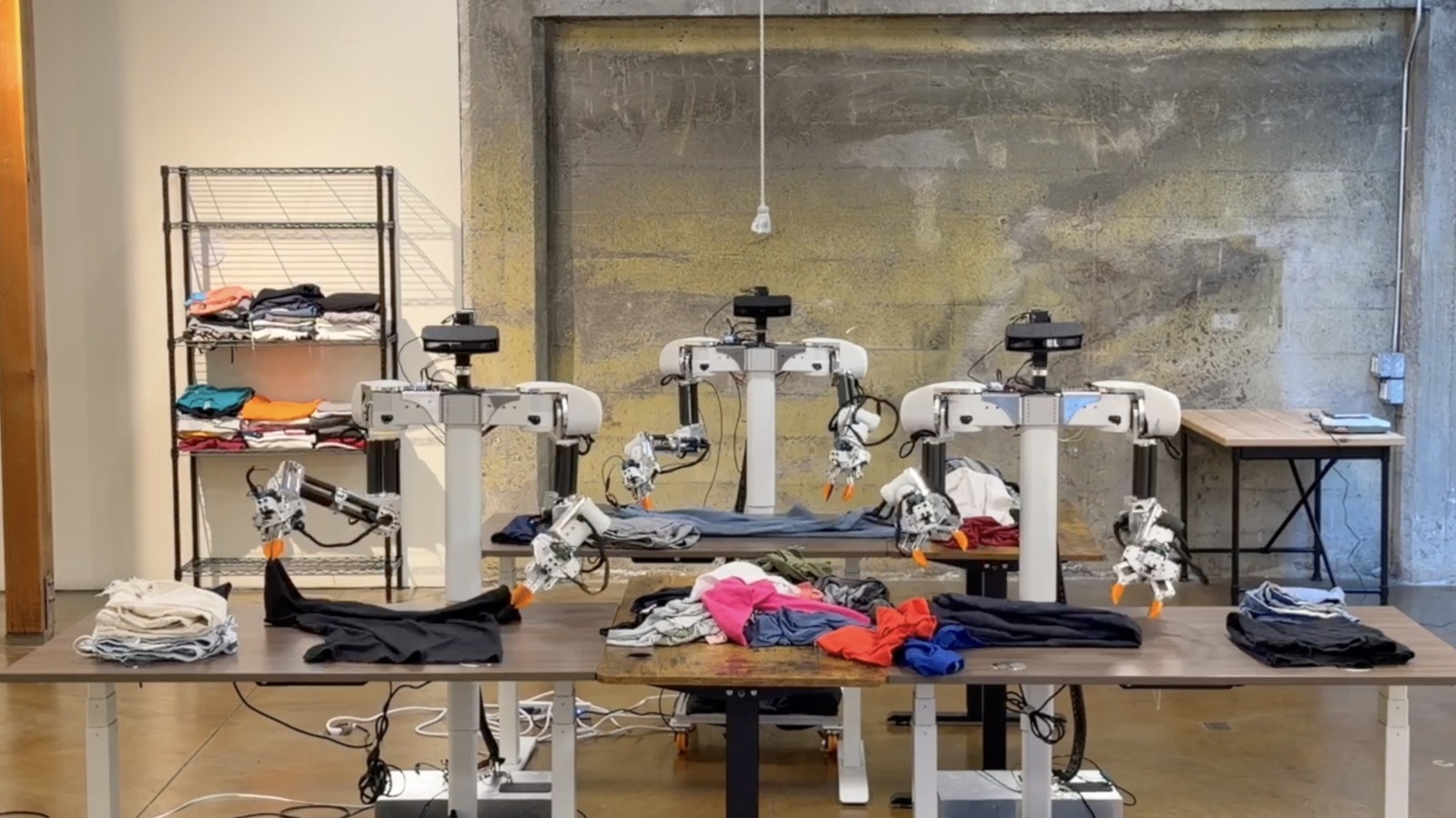
Laundry-folding robots and compost robots round out the list with two tasks most people would love to skip. Folding still takes finesse, which is why products like Isaac 0 and other prototypes draw so much attention, while compost machines like Reencle and Lomi try to shrink food waste and make kitchen cleanup feel a lot less gross.
