
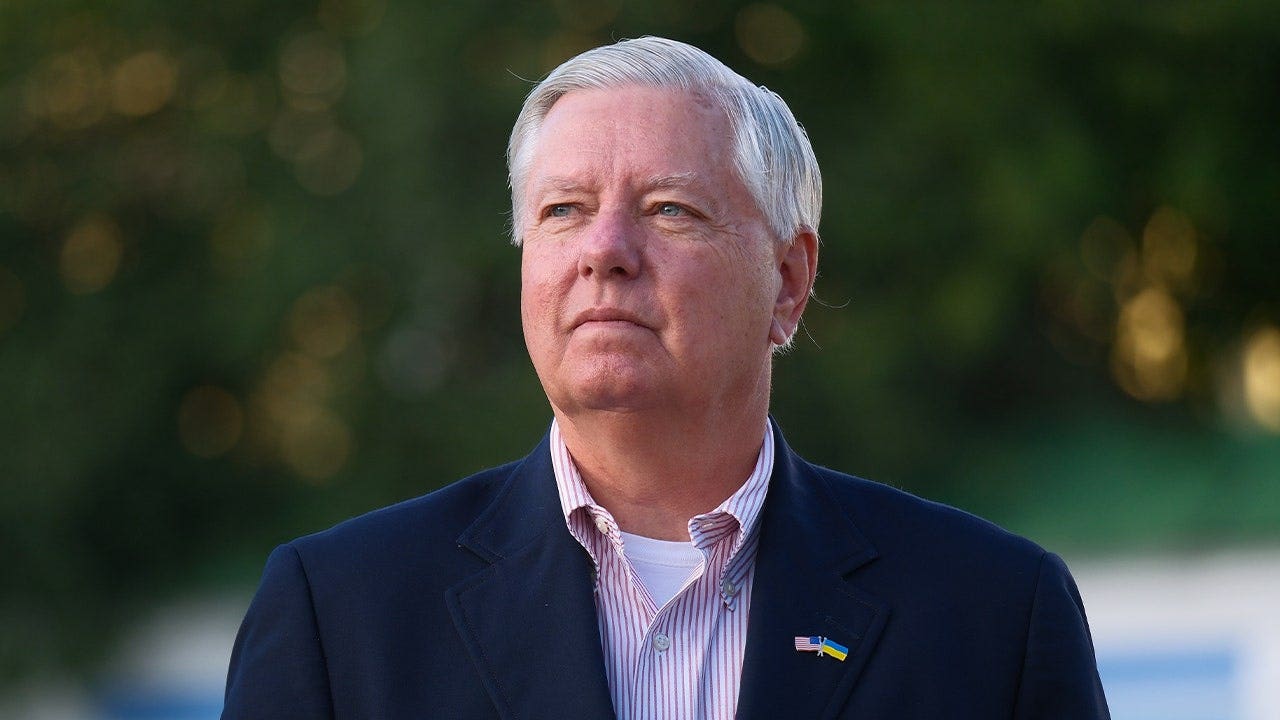
Lindsey Graham’s life left a deep mark on South Carolina and on the people who worked beside him, and his passing hit hard for those who knew the man behind the public title. He was remembered as a patriot, a steady voice in public life, and a friend who brought grit, humor, and heart to every room he entered.
He came from modest roots and learned early what loss can do to a family. After his mother died of cancer and his father later died of a heart attack, he stepped up to help raise his younger sister and even adopted her so she could receive his medical benefits.
That kind of sacrifice says a lot about who he was before politics ever came into play. He was shaped by hardship, but he never let hardship turn him inward. Instead, he used it as fuel to serve other people and to make sure the vulnerable were not overlooked.
His public career reflected that same instinct. Whether he was helping with casework or speaking on the Senate floor, he kept an eye out for the people who felt ignored, forgotten, or shut out of the system. That habit built trust because people could tell he wasn’t just chasing headlines, he was trying to solve real problems.
He also carried a deep sense of duty when it came to South Carolina itself. He understood that elected leaders work for the people, not the other way around, and he never seemed interested in acting like he was above the folks who sent him to Washington. That attitude gave him a reputation as someone who stayed grounded even while he operated at the highest levels.
Military service was another major part of his story. Time in the Air Force, the South Carolina Air National Guard, and the Air Force Reserve showed a level of discipline and patriotism that ran far beyond campaign speeches or political branding. He believed America was worth serving because the country had given him a chance to build a life that might not have been possible anywhere else.
In the Senate, that loyalty showed up in his focus on national security and on keeping Americans safe. He was known for being vocal, relentless, and willing to push hard when he thought the country needed a stronger hand. That mix of toughness and conviction made him a force people noticed whether they agreed with him or not.
He also had a lighter side that made him unforgettable to the people close to him. Friends valued his wit, his timing, and his ability to drop a line that could crack everyone up while still landing a serious point. That kind of personality made him more than a political figure, it made him memorable in the most human way.
One story captured that perfectly. When told about an annual South Carolina prayer breakfast that started at 8:30 a.m., he joked, “I’m not coming even if Jesus comes back before 10 a.m.” Then, in classic fashion, he showed up at 8:31 a.m. anyway, proving he could laugh at himself and still surprise everybody in the room.
That mix of faith, service, loyalty, and plain old personality is why so many people saw him as more than a senator. He welcomed new colleagues, built friendships across differences, and made room for people who came from outside the usual political mold. In a place like South Carolina, that mattered a lot because it showed he understood both tradition and change.
For those who knew him best, the loss feels personal, not abstract. South Carolina has taken a real hit, and the space he leaves behind is not easy to fill. Even so, the mark he made on public service, military duty, and the everyday rhythm of political life will keep echoing long after the headlines fade.
