
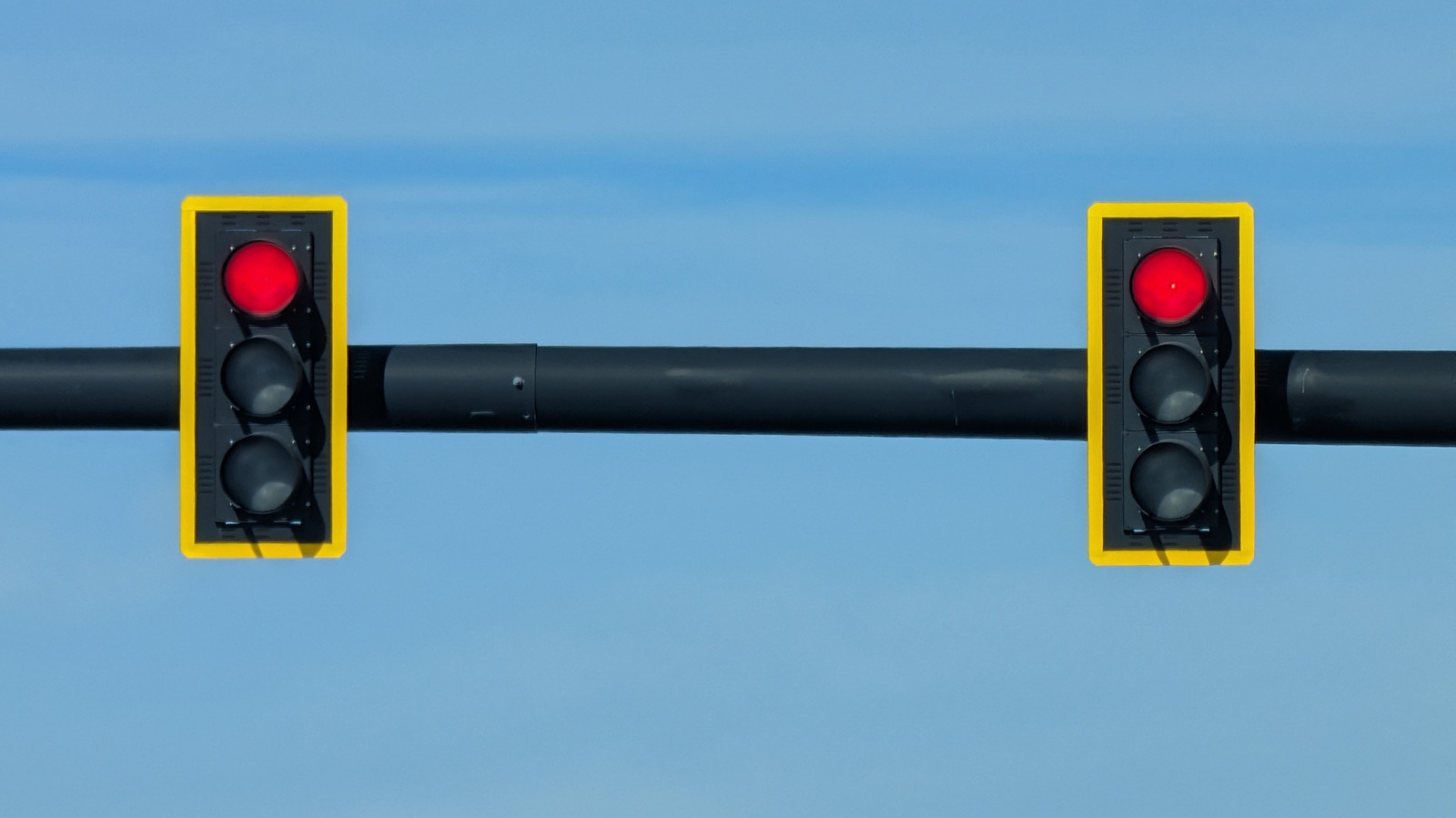
Cities and towns are quietly adding a bright, reflective yellow ring to some traffic signals to make them stand out from a distance, and drivers are starting to notice. This tweak is about boosting visibility at tricky intersections and helping both drivers and pedestrians pick out the signal faster, especially in low light or cluttered streets. It’s a small change with a practical aim: reduce confusion, improve reaction times, and cut down on intersection crashes. Below I explain what the yellow borders are, why they work, where you might see them, and what to expect as they roll out more widely.
The reflective yellow border is a high-contrast frame attached around the traffic light housing so the entire signal silhouette becomes easier to spot. It doesn’t change the light’s meaning or timing, it simply outlines the fixture so the human eye locks onto it sooner. Think of it like wearing a reflective vest: the signal becomes readable faster in peripheral vision, which matters when you’re glancing through sun glare or a cluttered streetscape. Cities are treating it as a low-tech, low-cost visibility upgrade.
Why does this matter in real driving? At busy intersections, motorists juggle signs, storefronts, billboards, and other vehicles, all of which can blend with a standard signal. The yellow border helps separate the traffic light from its background, cutting cognitive load and reaction time. That split-second advantage can be the difference between a normal stop and a near-miss or worse, especially for older drivers and those unfamiliar with the area.
Some municipalities have already tested these borders and reported smoother signal recognition in early observations, though long-term crash statistics will take time to confirm any concrete safety benefit. The intervention is inexpensive compared to full signal upgrades, because the borders are reflective materials or bright trims that attach without altering wiring or signal control. For cash-strapped cities looking for visible wins, this is an attractive option that doesn’t require major infrastructure work.
Installation is straightforward: crews mount the reflective rim around existing housings or affix an outer ring that catches headlights and daylight to boost contrast. The rings are designed to be durable and weather-resistant, minimizing the need for frequent maintenance. That said, local agencies still need to watch for fading, vandalism, or improper retrofitting that could create glare at certain angles. Proper placement and quality materials are key to keeping the benefit without introducing new issues.
Drivers should treat the bordered lights the same as unbordered ones — the border is a visibility aid, not a new signal rule. Stay focused on the color and location of the lights, and don’t let the novelty distract you from basic defensive driving. Pedestrians also gain from the clearer silhouette, since it can improve the timing and confidence of crossing decisions where signals are pedestrian-activated or synchronized with vehicle phases.
Critics point out that visual clutter can sometimes backfire if communities go overboard with treatments, or if reflective materials reflect back into drivers’ eyes under certain conditions. Those are valid concerns, which is why measured pilot programs and local testing matter before widescale rollout. Traffic engineers and city planners should monitor real-world effects and adjust specifications rather than simply painting everything yellow overnight.
If you spot a traffic light with a reflective yellow border, know that it’s a deliberate move to make the intersection easier to read — not a new traffic rule or a gimmick. Keep your eyes on the colors and on the road, and treat the border as a subtle helper designed to reduce hesitation and confusion. As more places try this tweak, expect to see it quietly pop up at more intersections where visibility and safety are top priorities.
