
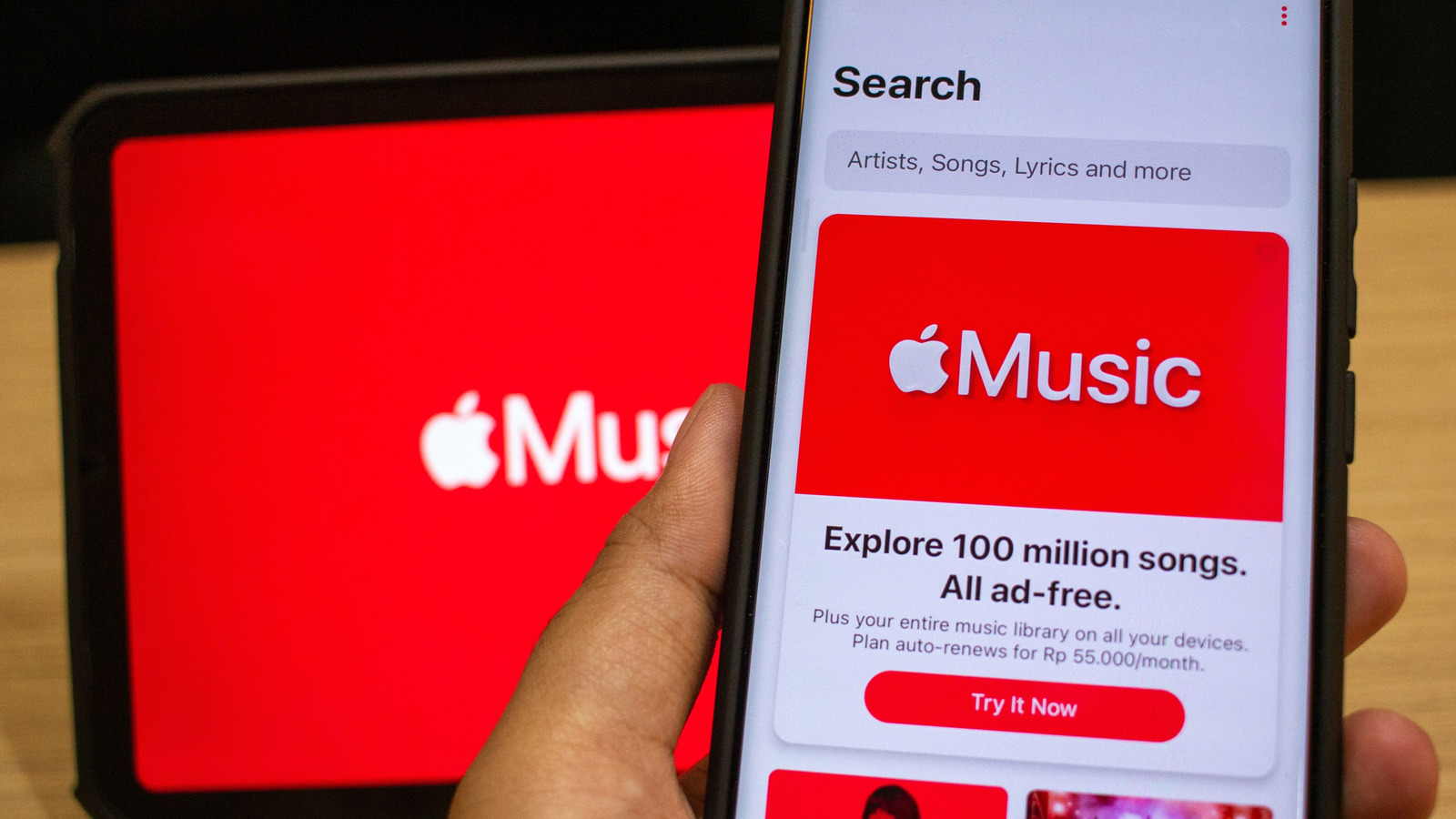
Apple Music is getting a major refresh with iOS 27 that aims to make the app feel smarter and more useful for everyday listening. This update focuses on practical improvements like better recommendations, smoother offline listening, and subtle interface changes that reduce friction. The new features are designed to help people find music faster, keep playlists organized, and rely less on digging through menus.
One of the biggest shifts is in how Apple Music learns your tastes, leaning into more contextual recommendations that react to time of day and activity. Instead of a single algorithm trying to cover every mood, iOS 27 introduces layered signals so the service can suggest upbeat tracks for morning routines and calmer sets for evenings. That should mean less manual playlist hunting and more helpful picks landing at the right moment.
Playlists get smarter in iOS 27, with refinements to mixing and auto-curation that reduce repetitive songs and increase variety. The app analyzes what actually gets played and bumps up tracks that fit the listener’s habits while quietly demoting tracks that are skipped. For frequent playlist creators, the update also adds gentle tools to reorganize content without breaking the original vibe.
Offline listening sees practical attention, with improved download management that uses storage more intelligently and keeps the most relevant songs available. Instead of forcing a binary choice between full albums and nothing, the system prioritizes frequently played tracks when space gets tight. That change should be welcome for anyone juggling limited device storage and a big music appetite.
Lyrics and real-time syncing are cleaner and more reliable in the new build, making sing-alongs and follow-alongs less frustrating. The timing feels tighter, with fewer jumps and more accurate highlighting so you can read along without losing the beat. That polish matters for shared listening and for those who use lyrics to discover new artists through lines that catch their attention.
Apple is also nudging social features toward quieter utility rather than loud sharing, giving users subtle ways to collaborate without turning every playlist into a public event. Collaborative editing and friend recommendations are treated as privacy-aware helpers, with controls that let users accept input or keep things private. The result is a less noisy social layer that still boosts discovery when you want it.
Siri integration gets tuned to be more context-aware and less literal, so voice requests behave more like conversations and less like commands read from a manual. Shortcuts tied to daily routines become more reliable, and the assistant can suggest music based on what you usually play at a given time. That reduces the need to scroll and hunt, which is the kind of friction Apple seems focused on removing.
Finally, the interface changes are subtle but focused on speed, trimming taps and surfacing controls where you actually need them. Small quality-of-life fixes, including better sorting options and clearer library organization, make the app feel less like a catalog and more like a curated music companion. Together with the backend tweaks, these changes aim to make Apple Music a smoother, smarter player in iOS 27 without overhauling the familiar experience.
