
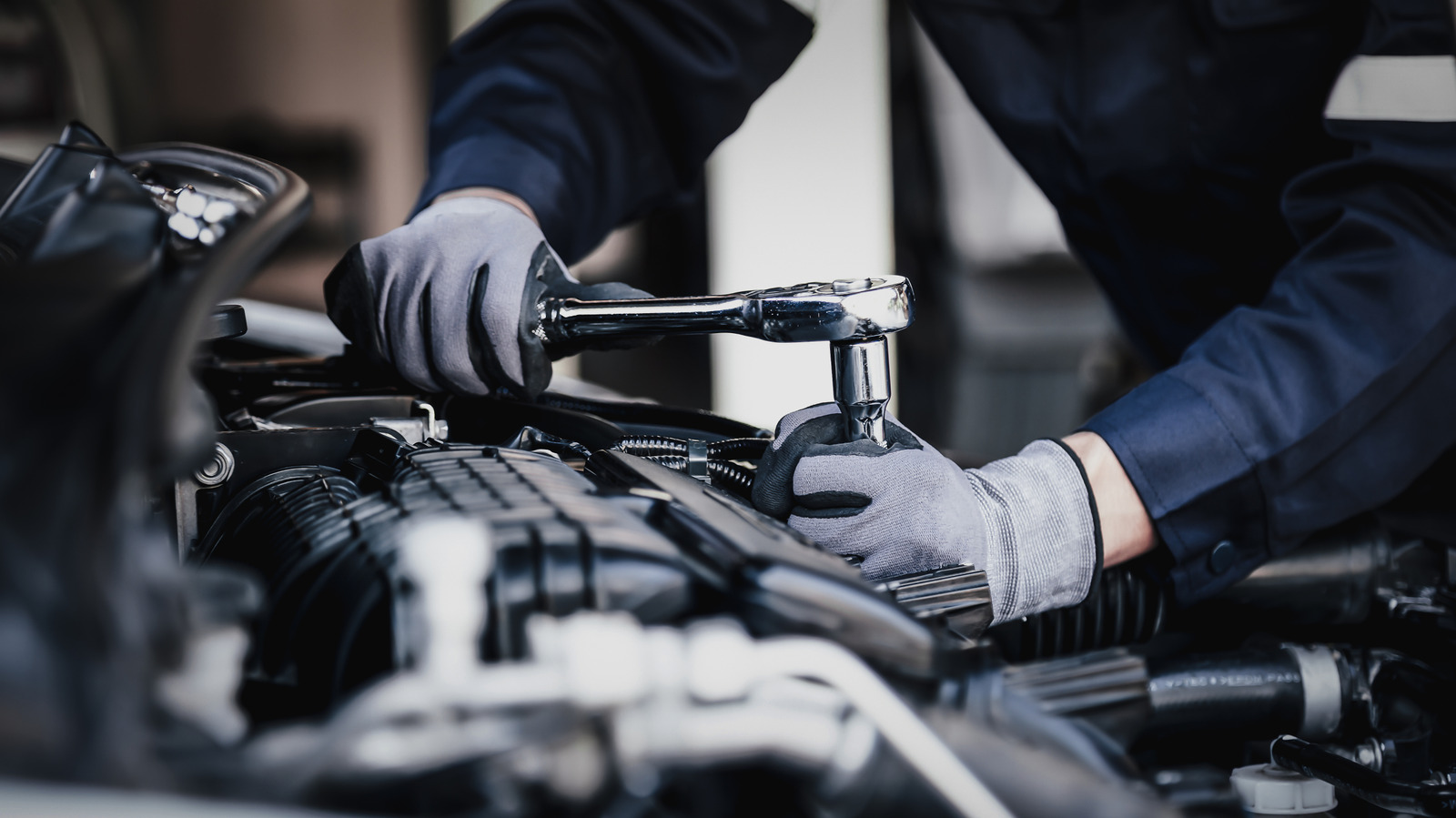
If you’re shopping for a new ride this year, beware: several widely sold engine families are showing troubling failure patterns. This piece walks through five types of popular powerplants that are producing expensive mechanical headaches, explains the warning signs to watch for, and gives straightforward steps you can take before handing over a deposit.
First up are the small-displacement turbo engines that have become everywhere. Packed with performance in a compact package, these motors often suffer from turbocharger failures, oil coking, and overheating when pushed hard or when maintenance slips. Symptoms include a sharp drop in power, blue or black smoke from the tailpipe, and a whining turbo noise; repairs can climb into four figures if the turbo, intercooler, or piston rings are involved.
Next are direct-injection engines that build power and efficiency by spraying fuel directly into the combustion chamber. Over time they can develop heavy carbon deposits on intake valves because the fuel no longer washes them clean, which causes misfires, rough idle, and reduced fuel economy. Getting a fuel system cleaning or walnut-blasting the intake is possible, but repeated problems often point to deeper design quirks that resurface after a few years.
Then there are modern V6 and V8 families that use lightweight timing chains and plastic tensioners to save weight and cost. When those components fail—often with a rattling on cold start or an intermittent knocking sound—the results can be catastrophic. Replacing a failed timing chain system can be labor-intensive and expensive, and if the timing jumps it can mean bent valves and a full engine rebuild.
Diesel powerplants with complex emissions systems form the fourth group causing grief. Diesel particulate filters, selective catalytic reduction modules, and DEF dosing systems are all prone to clogging, sensor failures, and expensive replacements if regeneration cycles are missed or if the vehicle is used mainly for short trips. Owners report sudden limp modes, frequent regen cycles, and major bills for particulate filter swaps and SCR fixes.
The fifth troublemaker is the increasingly common turbocharged hybrid or electrified powertrain that pairs forced induction with batteries and electric motors. The integration adds efficiency but multiplies failure points: cooling system issues, software conflicts, and interactions between electric boost and mechanical turbos can create strange drivability problems. Diagnosing these systems often requires dealer-level tools, and fixes can be costly and slow because multiple subsystems must be repaired in concert.
If any of this sounds alarming, here are practical checks to make before you buy. Request service records that specifically list oil changes, turbo work, timing component replacements, and emissions-related repairs, and insist on a pre-purchase inspection by a mechanic who knows that engine family. During the test drive, look for smoke on acceleration, listen for unusual whines or rattles, and run the car long enough to see whether it goes into limp mode or shows error codes.
Warranty and recall work can change the math on a risky engine, so dig into what’s been done. Ask the dealer to provide documentation of completed recalls, technical service bulletins, and any extended warranty coverage that might apply to turbochargers, timing chains, or emissions systems. If the seller resists paperwork or can’t explain a recurring repair history, walk away—uncertainty is often where big bills hide.
Already own one of these engines? Stay aggressive with maintenance and monitoring. Use the manufacturer-recommended oil and change it on the shorter interval if you drive a lot of city miles, keep an eye on oil consumption and boost pressure, and don’t ignore minor noises or intermittent warning lights. Often the difference between a manageable repair and an engine replacement is catching a problem early and getting a competent diagnosis.
