
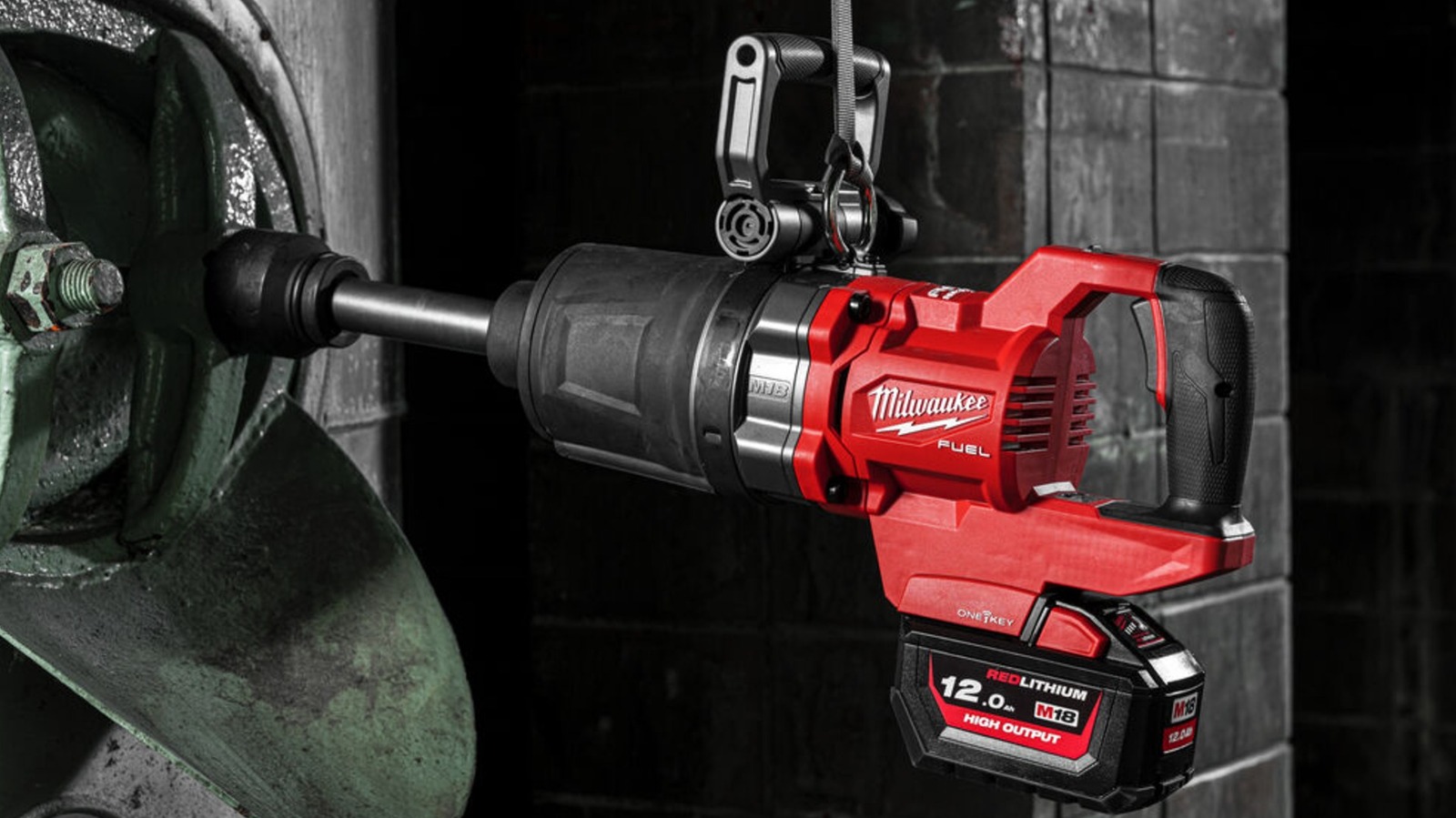
If you need raw runtime and steady power on job sites, this piece breaks down how a 12Ah Milwaukee battery handles a full roster of demanding cordless tools. Read on for a practical look at which tool types get the most out of that big pack, how it changes job flow, and what to expect when you swap in a 12Ah cell for the workday.
Dropping a 12Ah battery on a Milwaukee M18 platform gives you more than runtime; it smooths performance under load. Tools that normally sag or trip thermal limits on smaller cells keep spin speed and torque longer with a larger pack, which means fewer interrupted cuts and less hunting for the next charged battery. In real terms, that matters when you’re cutting thick material or running continuous impact work all afternoon.
For everyday fastening and drilling, the 12Ah makes a noticeable difference. A compact drill or impact driver will run longer at full power, letting you run more screws per charge and push higher torque settings without the battery dipping into low-power mode. That translates directly into fewer battery swaps and better workflow when you’re on a ladder or away from a charging station.
Saws chew through amps fast, and that’s where the 12Ah shines. Circular saws and reciprocating saws maintain blade speed under load so cuts stay clean and predictable instead of slowing down in thicker stock. Chop and track saw users also notice fewer stalled starts, which keeps both accuracy and momentum on repeat cuts.
Cutting and grinding tools benefit in a similar way. Angle grinders and cutoff tools keep RPMs steadier when you’re pushing into metal or concrete, and jigsaws handle long, aggressive cuts without the motor hunting. For oscillating multi-tools used in finish work, the extended runtime reduces the need to stop mid-task and change packs, which is great for detailed or monotony-heavy jobs.
On the heavier end, impact wrenches and rotary hammers demand bursts of high current that drain smaller batteries fast. A 12Ah pack reduces voltage sag during those bursts, so impact wrenches deliver consistent breakaway torque and rotary hammers sustain hammering rates without losing punch. That reliability matters when you’re removing stubborn bolts or drilling deep anchor holes.
Specialty tools like compact band saws, cordless table saws, and mitre-capable setup tools also get a boost from the larger cell. They run longer between charges and tolerate tougher cuts without performance dips, letting you move through repetitive tasks faster. That extra headroom gives crews the flexibility to choose cordless over corded in more scenarios.
Managing batteries on-site becomes simpler with larger capacity packs. Instead of juggling three or four smaller batteries, a pair of 12Ah units will often cover a full day of mixed work, reducing charger demand and time spent monitoring state of charge. Still, best practice is to have at least one spare and a rapid charger handy so you never face downtime when jobs pile up.
Practical care makes a 12Ah investment pay off for years: keep packs cool, charge them on a stable schedule, and rotate them between high- and low-drain tools so cells age evenly. When matched with the right Milwaukee tool, a 12Ah battery doesn’t just extend runtime — it changes how you plan work, letting crews finish demanding tasks with fewer interruptions and more predictable power at every step.
