
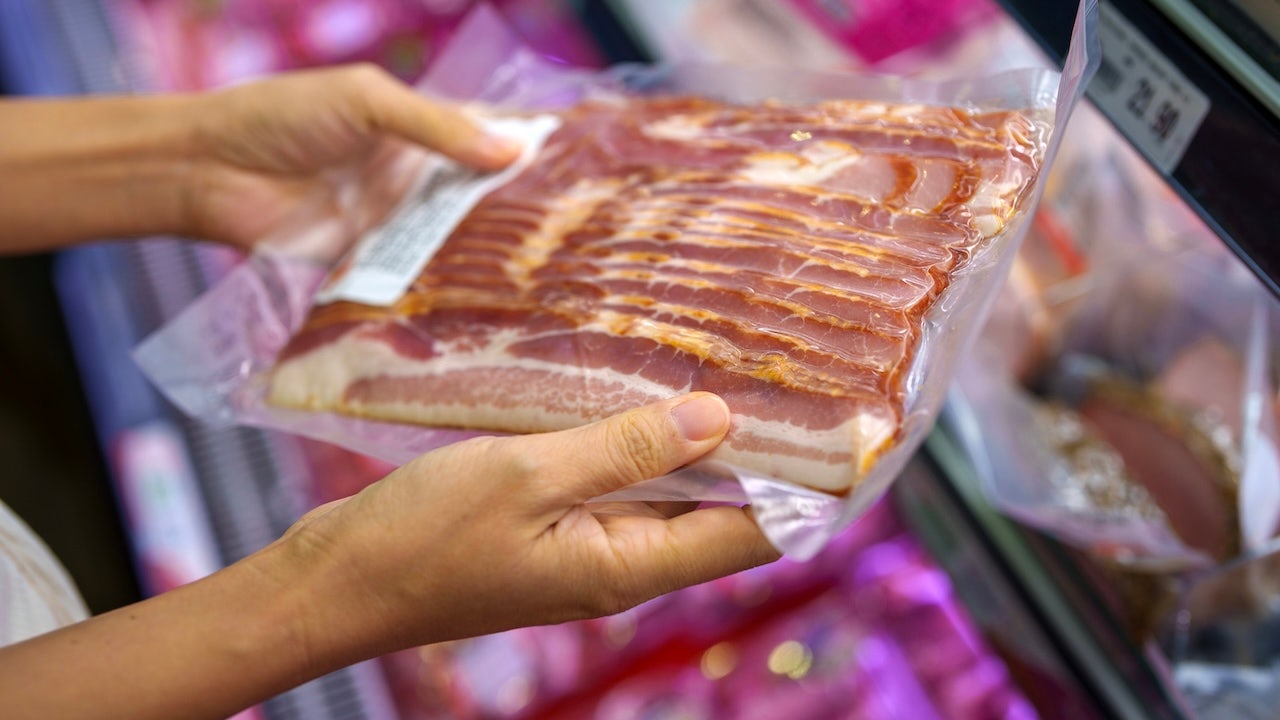
Here’s the big picture: a federal food safety alert has pulled more than 12,000 pounds of imported bacon off shelves after inspectors flagged a serious import problem. The recall involves products sold in Idaho, Oregon, and Washington, and officials are warning consumers to check their fridges and freezers right away. The issue is not about a reported outbreak, but about a failure that put a meat product into the U.S. market without the inspection it needed.
The USDA’s Food Safety and Inspection Service said the bacon was brought in from Canada without passing the required U.S. import inspection. That kind of miss is exactly the sort of thing regulators are trained to catch, and in this case, routine inspection work exposed the problem. The bacon was produced by Maple Leaf Foods, Inc., based in Lisle, Illinois, and was distributed to grocery retailers and distributors across three western states.
Officials classified the recall as Class I, the agency’s highest level. That label is reserved for situations where there is a reasonable chance the product could lead to serious health consequences or even death. It is the most alarming category the USDA uses, and while it does not mean anyone has gotten sick, it does mean the risk is taken very seriously.
The recalled items include two 12-ounce vacuum-packed bacon products. One is “Royale Natural Applewood Smoked ALL NATURAL Uncured Bacon Product of Canada,” with sell-by dates of “SEP 01 2026” and “SEP 07 2026,” and the other is “TOP VALU Uncured Hardwood Smoked Bacon PRODUCT OF CANADA,” with sell-by dates of “SEP 01 2026,” “SEP 02 2026,” “SEP 04 2026,” “SEP 05 2026,” and “SEP 07 2026.” Both products have “EST. 1” printed on the side of the package.
The USDA said the products were made on June 9, June 10, June 12, June 13, and June 15, 2026. The health certificate number listed on the master case boxes is “2026-S732971612,” which is another detail shoppers can use if they are checking what is sitting in storage or already in the kitchen.
One of the most important parts of this alert is that it came from routine inspection activity, not because a wave of illnesses forced the issue. That does not make the recall smaller or less important. It just means the system caught the problem before it became something worse, which is exactly what food safety enforcement is supposed to do.
If you bought any of the recalled bacon, the guidance is simple: do not eat it. Throw it away or take it back to the store where it was purchased, especially if it has been sitting in the refrigerator or freezer for a while and may be easy to overlook.
Imported food gets a lot of attention for a reason. Once a product crosses a border, the paperwork, inspection steps, and labeling all matter, and when one piece is missing, the whole chain can become a problem. Bacon may seem like a routine grocery item, but when inspection rules are skipped, even something familiar can turn into a serious concern for shoppers.
Consumers with questions about the recall can contact the USDA through its food safety hotline email address, [email protected]. That kind of direct reporting channel matters when people are sorting through packages at home and trying to figure out whether what they bought matches the recalled items.
