
U.S. stock futures bounced around Wednesday after election results pointed to a major shift in control of Congress, keeping traders on edge about taxes, spending, regulation, and the next move for Treasury yields. The early reaction was uneven, with some contracts climbing while others stayed cautious, as investors tried to sort out what the new political setup could mean for markets.
Futures linked to the S&P 500 gained 0.35%, the Nasdaq-100 added 0.16%, and Dow futures rose 0.84%. That came after a rougher start to the session, when the market initially leaned lower before stabilizing.
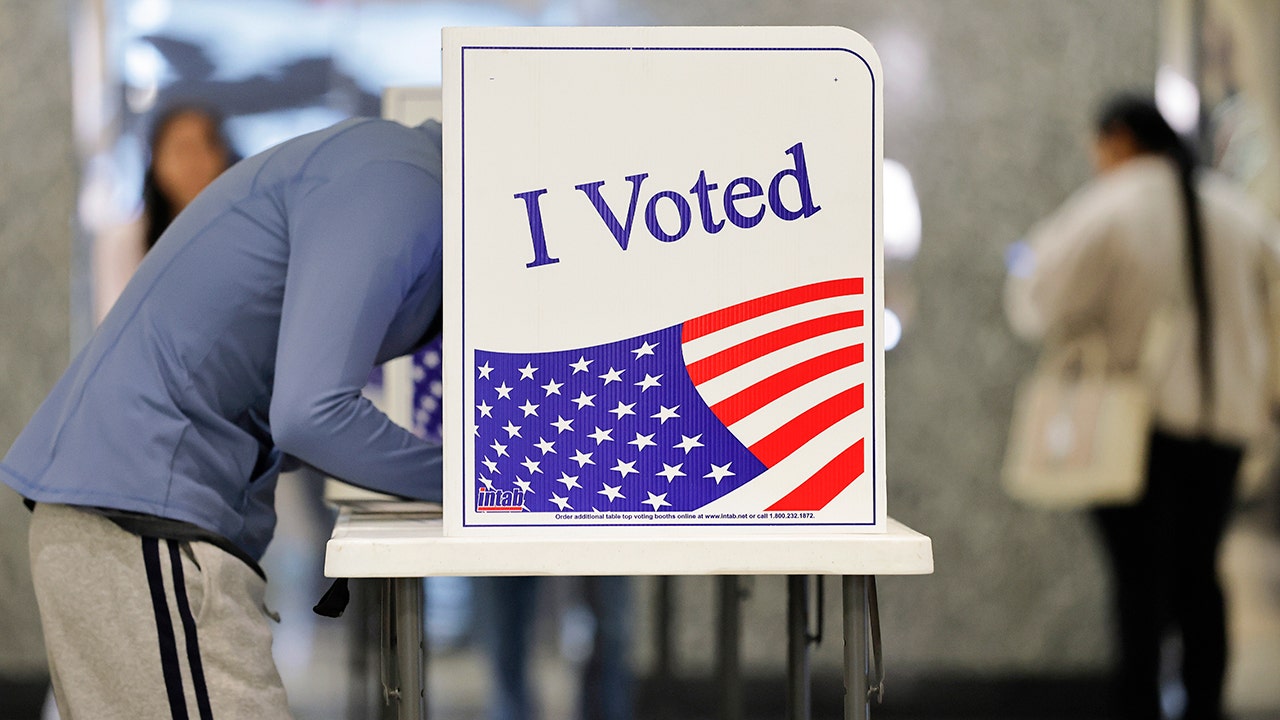
The biggest driver was the election outcome itself. Democrats notched key wins in the midterms, and the Fox News Decision Desk projected the party would take control of both chambers of Congress, a result that can quickly ripple through Wall Street because it changes the odds on policy, spending, and oversight.
Investors were especially focused on how a new balance of power could affect taxes and federal spending. Beyond that, the market was also watching the possible fallout for artificial intelligence, Big Tech, defense, health care, banking, and cryptocurrency rules, all areas that can swing hard when Washington changes direction.
“Markets appear to be pricing in the possibility of a stronger-than-expected Democratic showing, which could reduce expectations for further fiscal stimulus,” Charu Chanana, chief investment strategist at Saxo in Singapore, told Reuters.
That tension has real weight because traders do not like surprises, and elections can bring them in a hurry. If lawmakers lean harder into regulation, some corners of the market could feel pressure fast, especially names tied to AI spending and the sky-high valuations that have been floating around that trade.
Still, history offers a little perspective. Shifts in congressional control have not always derailed stocks, and the S&P 500 rose into year-end in five of eight midterm cycles since 1930 when the president’s party lost the House, according to Ned Davis Research.
Prediction markets had already been leaning toward Democratic control as results came in, with more than $1.48 billion wagered on the midterms. That kind of money shows how closely traders were watching every new update, because even small changes in expected policy can move prices in a hurry.
Chanana also said investors may worry that Democratic control of Congress could bring tougher scrutiny of AI and Big Tech, especially at a moment when questions are rising about spending levels and stretched valuations. Even so, she noted that lower Treasury yields could soften the blow and prevent an early selloff from sticking.
The 10-year Treasury yield fell 6 basis points to 4.906%, giving markets at least one sign of relief. When yields dip, it can ease pressure on stocks that depend on cheaper borrowing or lofty future growth expectations, though the broader mood still felt unsettled.
Overseas markets were not immune to the nervous tone. Japan’s Nikkei slid 3%, South Korea’s KOSPI lost 1.6%, and a broad index of Asia-Pacific stocks outside Japan fell 0.5%, a reminder that political shocks in the U.S. can spill quickly across global trading desks.
That kind of cross-market movement tends to keep investors alert long after the headlines fade. With policy expectations shifting and rate moves still in play, traders were left staring at a market that wanted answers but was not getting any easy ones.
