
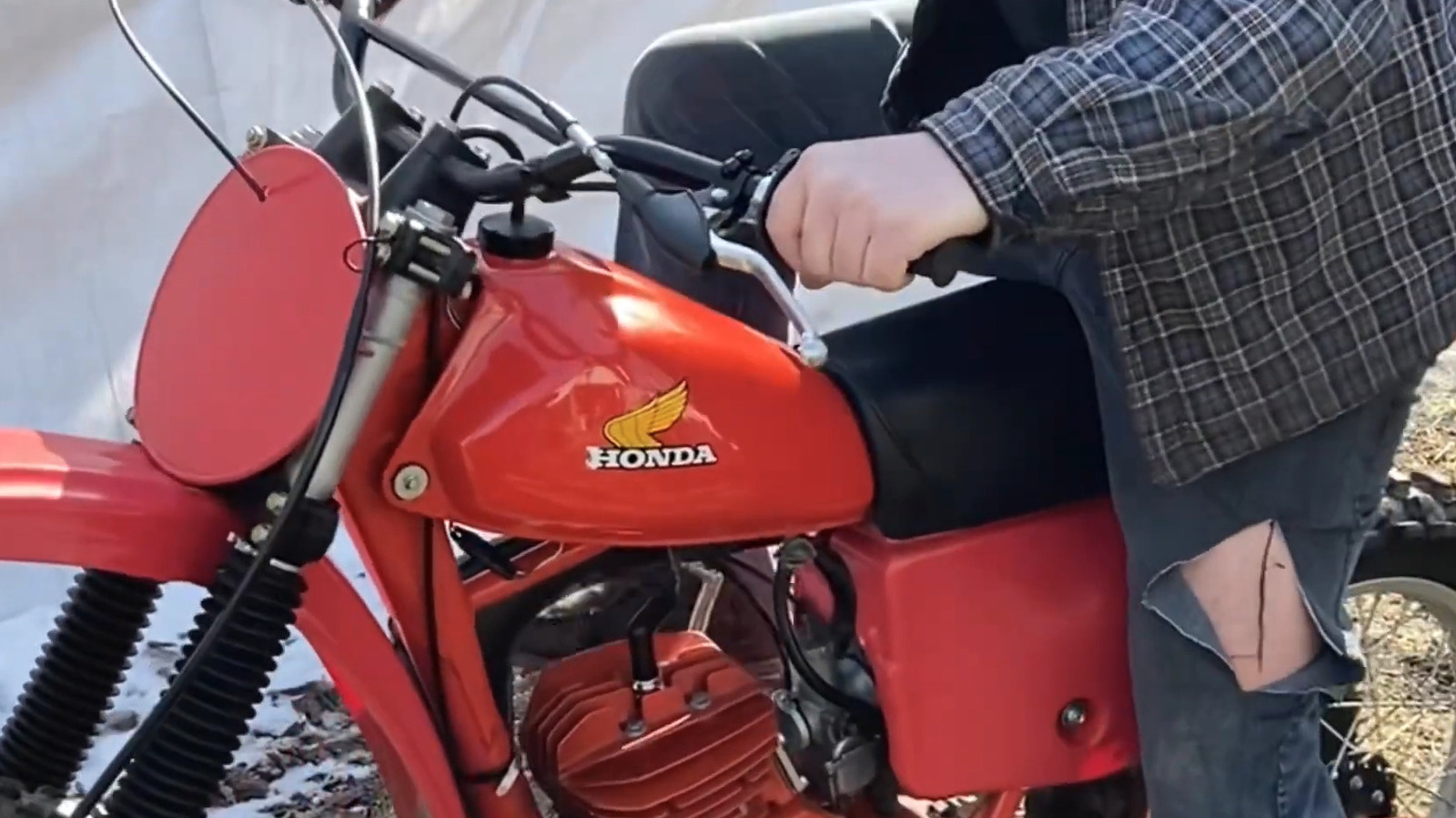
A 1979 Honda CR125R Elsinore turned a routine vintage-bike listing into a full-blown headline just by staying sealed in its original crate for nearly five decades. The machine kept its factory wrapping, paperwork-era freshness, and all the kind of untouched detail collectors dream about, then went on to spark a bidding war that blew past normal market numbers. That mix of nostalgia, rarity, and near-perfect preservation is what made this Honda hit so hard.
Most old motorcycles pick up stories through miles, repairs, and hard use, but this one took the opposite path. It sat since new, still unassembled, with its original boxes and protective plastic intact, which gave it a time-capsule feel that is almost impossible to fake. Inside the crate were the bike’s 123cc two-stroke engine, 23-inch front wheel, 18-inch rear wheel, and six-speed manual transmission, all waiting the same way they would have in 1979.
The CR125R Elsinore was not just any dirt bike, either. Honda built it as part of a serious push to claw back ground in the 125 class after rivals had made gains, and the 1979 model brought an all-new design to the fight. It carried the brand’s familiar red motocross look, the same color scheme Honda had been using on its off-road bikes since 1976.
Honda’s climb in motocross had been fast and aggressive. The company had only entered the production motocross market in 1973, yet by 1979 it had already earned both rider and manufacturer titles in the 500cc Motocross World Championship. That kind of momentum gives a machine like the CR125R extra weight, because it came from a period when Honda was proving it could go toe to toe with the best in the dirt.
Still, the model itself is not usually a giant money machine. Valuation estimates for a normal 1979 CR125R Elsinore in good condition sit around $4,100 to $5,800, which is respectable but not jaw-dropping for a vintage Honda. Even those figures had been trending a bit lower over the previous five years, which makes the final sale price of this untouched example even more surprising.
That is where the crate changes everything. Once bidders realized they were looking at an untouched survivor rather than a restored or merely well-kept bike, the number kept climbing until the hammer fell at $70,000. That kind of leap says less about everyday resale value and more about how much collectors will pay when factory-fresh originality enters the chat.
After the auction, the winning bidder sounded thrilled and said they were “very excited to have won this bike,” then added that they planned to ship it “to Australia to go in with some other classic motocross bikes.” That destination makes sense for a machine like this, because collector garages often become mini museums where rare survivors are treated like trophies rather than toys. For a sealed-in-time Honda, the next home matters almost as much as the sale.
The whole thing also fits a bigger pattern in the collector world. Bring a Trailer has become a magnet for the weird, the wonderful, and the barely touched, from obscure bikes to warehouse finds that look like they were frozen by accident. Earlier in 2026, the platform even saw a classic Chevy crate engine offered for sale in similarly untouched condition, complete with its original delivery crate and plastic wrapping.
That is the magic here: a machine does not need to be the rarest Honda ever built to steal the spotlight. Sometimes all it takes is a model with a real racing pedigree, a factory crate, and enough time to become a rolling relic before it ever gets a chance to hit the trail.
