
Hybrid shoppers have more choices than ever, and warranty coverage is one of the smartest places to look before signing anything. Some brands stick to the legal minimum, some go well beyond it, and a few manage to turn warranty length into a real selling point. The lineup in 2026 makes that split pretty clear, with familiar names, luxury badges, and a couple of surprising standouts.
Most automakers hover around the same basic hybrid coverage, which is eight years or 100,000 miles for the hybrid components. That is the floor set by law, and plenty of brands sit right there without doing much extra. Ford, Lincoln, GM brands, Stellantis products, Subaru, Honda, Audi, Volkswagen, Land Rover, and even Lamborghini generally fall into that camp, while a few like Ferrari and Jaguar have shorter hybrid coverage at six years or 60,000 miles.
Mitsubishi deserves attention because its warranty goes past the usual playbook. The brand gives its hybrid system 10 years and 100,000 miles of coverage, matching its regular powertrain warranty and making the whole package feel unusually solid.
That matters even more because Mitsubishi’s hybrid lineup is still pretty small, with the Outlander PHEV currently carrying most of the weight. The company is talking big about future growth, so the warranty may end up being one of the strongest reasons to keep it on a shopping list. When a brand gives the same long coverage to both the hybrid hardware and the rest of the drivetrain, that sends a loud message about confidence.
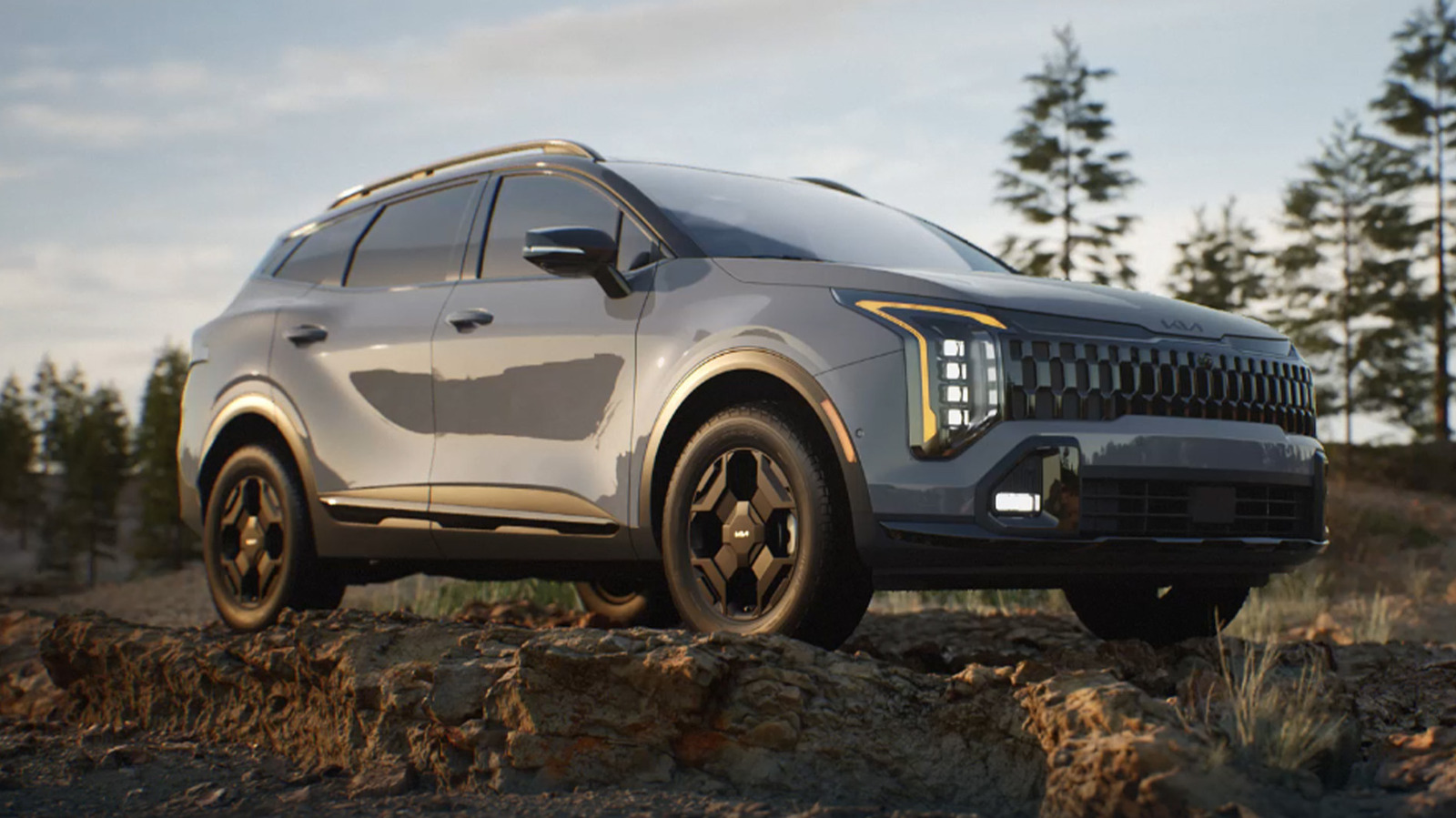
Hyundai, Kia, and Genesis also come in hot with warranties that punch above the industry norm. All three brands offer 10 years and 100,000 miles on hybrid and EV powertrains, which lines up with their broader powertrain coverage and gives buyers some peace of mind.
They also have the kind of lineup that makes shoppers stop and stare. Between the Tucson, Elantra, Sonata, Santa Fe, Palisade, Niro, Sportage, Sorento, Carnival, Telluride, and the incoming Genesis hybrid models, the choices are deep and broad. That mix of variety and warranty strength helps explain why these brands have been so aggressive in the hybrid space.
Mercedes-Benz is where things get tricky, because the warranty story changes depending on the vehicle. In most cases, Mercedes hybrids only get six years and 60,000 miles, which is disappointing for a premium brand.
But there is a sharp twist for certain SULEV plug-in hybrids. In selected states, those models can get a 10-year and 150,000-mile warranty, which is a huge jump and one of the better offers in the hybrid world.
The catch is that it is limited to specific states and specific vehicles, so the fine print matters a lot. Buyers in the right regions can land a very strong warranty on models like the GLC 350e, GLE 450e, AMG GLC 63 S, and S 580e. Everyone else is left with the shorter standard coverage, which makes this one of the most uneven warranty situations out there.
Toyota and Lexus still sit at the top of the hybrid mountain. Toyota has built its reputation on hybrids for years, and that early start shows in both sales and coverage, with 10 years and 150,000 miles on hybrid batteries for new vehicles sold after 2020.
Lexus gets the same treatment, which keeps the luxury arm in the same conversation. Together, Toyota and Lexus offer a huge spread of hybrid and plug-in hybrid models, from the Corolla and Camry to the RAV4, Highlander, Sequoia, Sienna, Crown, and a long list of Lexus options. That kind of range, paired with top-tier warranty coverage, makes the Toyota family hard to ignore for anyone trying to buy a hybrid with long-term confidence.
