
Researchers in China are pushing wearable robotics in a new direction with a soft exosuit that helps people walk without the clunky hardware most people picture when they hear “robot suit.” The lightweight design uses artificial muscles instead of bulky motors, and early lab results suggest it can lower the effort of walking in a meaningful way. It is still early days, but the idea is already pointing toward a future where mobility support feels more like clothing than machinery.
Walking long distances can get tiring fast, especially in places like airports, shopping centers, and big campuses. That everyday strain is exactly where the experimental suit is trying to help, easing the load on the hips so the wearer uses less energy with each step. The prototype weighs about 4.2 pounds and wraps around the waist and thighs like a harness, which is a big contrast to the rigid exoskeletons people usually imagine.
The key to the device is its soft artificial muscle system. Instead of motors, gears, and a heavy frame, the suit relies on flexible fibers that pull at the right moment in a walking stride. Those fibers are positioned near the hips, and straps transfer the force to the body so the user gets a little assist without being boxed in by a hard shell.
This approach matters because traditional powered exoskeletons often come with tradeoffs. They can be noisy, heavy, and awkward, which makes them harder to wear for long stretches or in normal daily settings. A softer design has a better shot at feeling natural, especially if the goal is helping people move through everyday life instead of turning them into lab test subjects.
The artificial muscles themselves are based on a material called a dielectric elastomer. When electricity is applied, the material changes shape, and researchers have spent years trying to make that reaction strong enough for real-world use. The challenge has always been getting enough force without building something too bulky to wear comfortably.
To solve that, the team adjusted the material at the molecular level and then formed it into thin fibers. Several fibers were bundled together to create more pulling power, much like how many small muscle fibers work together inside the human body. They also built modular connectors so the system can be scaled up when more force is needed, which gives the design some flexibility for future uses.
In lab testing, the actuators lasted through more than 100,000 cycles, which is a promising sign for durability. Even so, long-term wear is a different beast than controlled lab runs. Sweat, heat, bending, and repeated motion can wear down materials faster than anyone wants, so there is still plenty of proving to do.
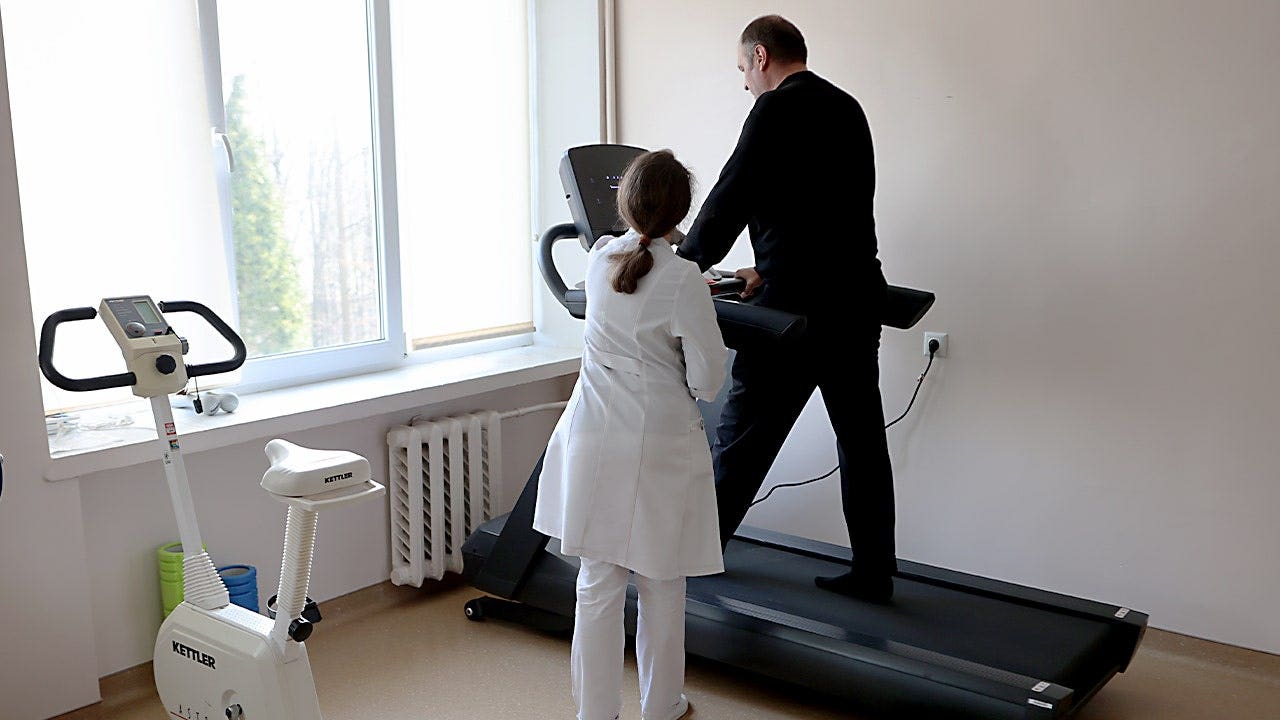
The most eye-catching result came from a treadmill trial involving six healthy adults. With the electrical assistance active, participants used an average of 13.9% less energy while walking, and sensors showed reduced muscle activity in the legs as well. That does not make the suit a finished product, but it does show the concept is doing real work instead of just looking futuristic.
There are obvious reasons why that could matter for older adults or people recovering from injuries. A device that lightens the load on the hips could make errands, family outings, or a long day on your feet feel a lot less punishing. It also sounds less intimidating than a rigid medical-looking frame, which could help people feel more comfortable using it if the technology continues to mature.
That said, the current version has some serious hurdles to clear. Battery life remains limited, and the control system will need to react smoothly when a person changes speed, walks on uneven ground, or starts climbing a slope. The actuators also rely on very high voltage, so safety, insulation, and real-world reliability will need close scrutiny before anyone talks about everyday use.
For now, the soft exosuit sits squarely in the research phase, but it is the kind of research that gets attention for a reason. It suggests mobility assistance does not have to look like a machine from a factory floor, and that alone is a pretty big shift. If the next round of testing includes older adults and people with real walking challenges, we will learn a lot more about whether these artificial muscles can truly make daily movement easier.
