
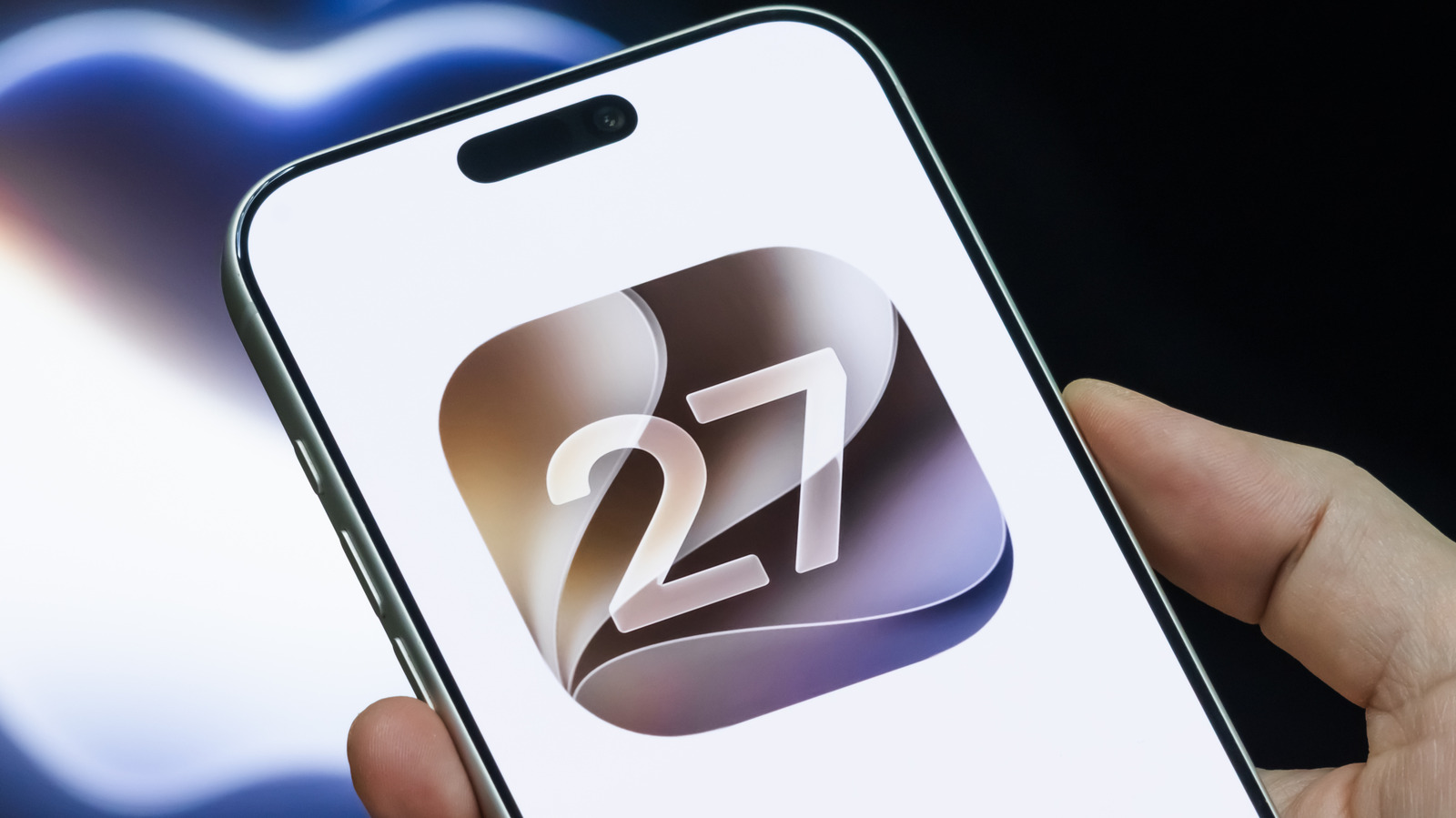
Apple is rolling a significant upgrade into iOS 27 that changes how a core iPhone feature behaves, and when you update you should expect noticeable shifts in performance, controls, and privacy. This update is built to feel familiar but smarter, nudging everyday tasks to be faster and less fiddly without asking you to relearn the phone. Whether you love tinkering with settings or just want your device to work better out of the box, there are clear signs to watch for once the install finishes.
The first thing you’ll probably notice is responsiveness—apps and actions tied to the upgraded feature feel quicker and more consistent across daily use. That comes from background optimizations and tighter integration with system services, which should reduce stutters and odd pauses you might have seen before. It won’t turn an old phone into a speed demon, but it will smooth a lot of everyday rough edges.
Expect smarter behavior from the feature itself; automation and context awareness are dialed up so the phone anticipates what you want without nagging you. That means fewer taps for common tasks and more sensible defaults based on how you actually use the phone. Apple tends to favor subtle, confident changes rather than radical redesigns, so these improvements aim to feel natural rather than flashy.
Privacy remains central in this release, with tighter controls around how the upgraded feature shares data with apps and services. You’ll get clearer toggles and explanations so you can choose what to allow, and Apple has packed in more on-device processing to keep sensitive actions off the cloud. If privacy is a priority for you, these refinements make it easier to lock down what matters without breaking functionality.
Battery life and thermal behavior often get intertwined with major feature updates, and iOS 27 is no exception—expect small gains from better resource scheduling. The system aims to prioritize the feature only when it’s useful, rather than leaving it running in the background all the time. That should trim needless energy use and keep your device cooler during long days of use.
App compatibility is another area to watch after you update, since third-party apps that interface with the upgraded feature may need updates to take full advantage of the changes. Most apps will work fine right away, but if something feels off, check for updates in the App Store and restart the phone to clear any lingering glitches. Developers usually push minor updates quickly when a new iOS version lands.
Before you hit the update button, do the usual prep: back up, free up enough storage, and make sure the battery is healthy or the phone is plugged in during installation. Those steps cut the chance of hiccups and give you an easy rollback path if something behaves unexpectedly. If you’re the kind of person who likes to wait, watch early reports for any immediate issues on your specific iPhone model.
Once the update is installed, take a few minutes to explore the updated feature settings so you can tailor the behavior to your routine, turning on or off suggestions, shortcuts, and privacy options as needed. Dive into the settings calmly rather than tweaking everything at once; the changes are designed to be helpful out of the box, but personalizing them makes the phone work even better for you. If you spot anything that doesn’t feel right, a quick restart and an app update usually resolves most problems.
Overall, this iOS 27 upgrade is meant to make a familiar feature feel smarter, cleaner, and more respectful of your time and data, without forcing you into a new way of using your phone. Expect a refined experience that keeps core functions reliable while adding a few modern conveniences you may not even notice until they save you a tap or two. Roll it out when you’re ready and give the tweaks a little time to settle in before making any major changes to your setup.
