
Communism has a long habit of selling hope and delivering fear, and the people who lived under it have the scars to prove it. Their stories cut through the slogans, showing how promised equality can turn into prisons, empty stores, crushed faith, and lives ruled by intimidation.
When people defend free markets, they usually point to outcomes, incentives, and real evidence. When communism gets defended, the ugly history often gets brushed aside, especially by voices that prefer theory to testimony. That is exactly why survivor accounts matter so much.
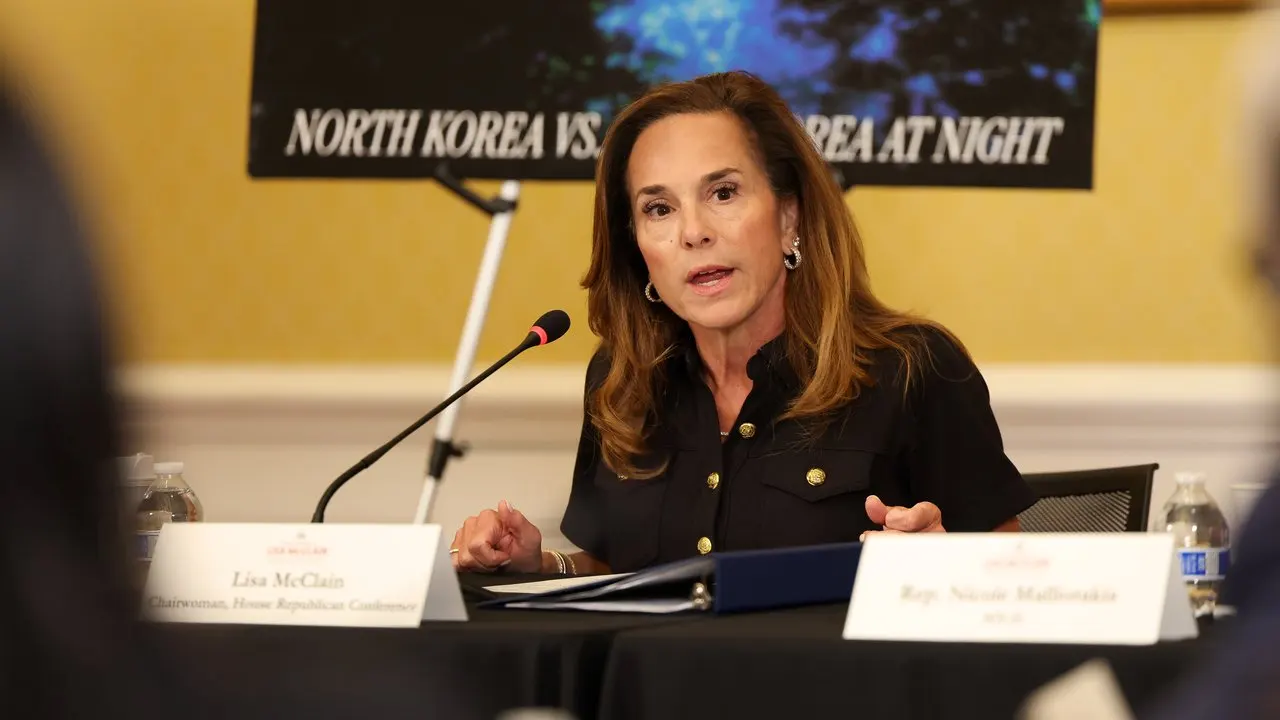
In a recent gathering at the Capitol, survivors from Cuba, Venezuela, the Soviet Union, and China described what communism did to ordinary families. One had been tortured in prison, another watched his community rot as shelves went bare, and others saw schools turned into political machines and churches treated like enemies. These are not abstract complaints. They are lived experiences, and they land hard.
José Daniel Ferrer’s story is especially brutal. He spent more than 12 years in Cuban prisons and says he endured both physical and psychological torture while fellow citizens suffered from the same abuse and malnutrition. His warning is simple enough to sting: the people pushing these systems often hide their real agenda until they already have control.
That pattern keeps repeating because it works. Leaders like Fidel Castro and Hugo Chávez did not always announce their true colors upfront, and that mattered. They presented themselves as something safer, softer, and more democratic until they had weakened the institutions that could stop them.
The same trick shows up in American politics when activists wrap old ideas in fresh labels. “Democratic Socialists” may sound polished, but the core promise still runs in the same direction, toward more state control and less personal freedom. The branding changes faster than the blueprint.
Survivors also point out how communist systems explain away their failures. If the shelves are empty, blame sanctions. If the economy collapses, blame corruption. If people flee, blame foreign meddling. The ideology always gets a clean excuse, while the victims are told they misunderstood their own misery.
Daniel Di Martino’s family lived through that kind of collapse in Venezuela. They once had a normal middle-class life, but it gave way to rationing, scarcity, and a state that decided who could buy what and when. Milk vanished, meat became hard to find, and even basic shopping turned into a government-managed chore.
That is the real creep of communist control. It does not always arrive with tanks and sirens. Sometimes it comes through permits, ration cards, and rules that slowly turn citizens into dependents. Once the state controls food, work, and housing, it can tighten the leash without ever firing a shot.
Mike Gonzalez described another side of the same machine, the war on faith and independent thought. As a child in Cuba, he was harassed for going to church and pressured to join the communist youth structure, then interrogated at just 11 years old. The point was not just political loyalty. It was total obedience.
That is why religious freedom rattles communist regimes so much. Faith teaches that the state is not supreme, and that is a problem for any system that wants to sit above conscience. Churches, families, and traditions all remind people that there are limits to political power, which is exactly what authoritarians cannot stand.
Communist movements also tend to poison the way people see their own country. History gets rewritten as shame, culture gets painted as oppression, and national identity is treated like a sickness. Once people are trained to hate the very institutions that protect them, tearing those institutions down starts to sound noble.
China offers a sharp example. Pastor Ezra Jin was arrested along with other church leaders, and even when he was later released, several of his fellow pastors were still behind bars. The message was loud and clear: worship is tolerated only until it threatens party control. On paper, rights may look intact, but paper does not stop a regime that answers to no higher authority.
The lesson from all of this is not subtle. Every version of the same ideology reaches for the same levers, control the economy, shape the schools, weaken religion, and intimidate anyone who resists. The names change, the promises get polished, but the pressure on ordinary people feels alarmingly familiar.
