
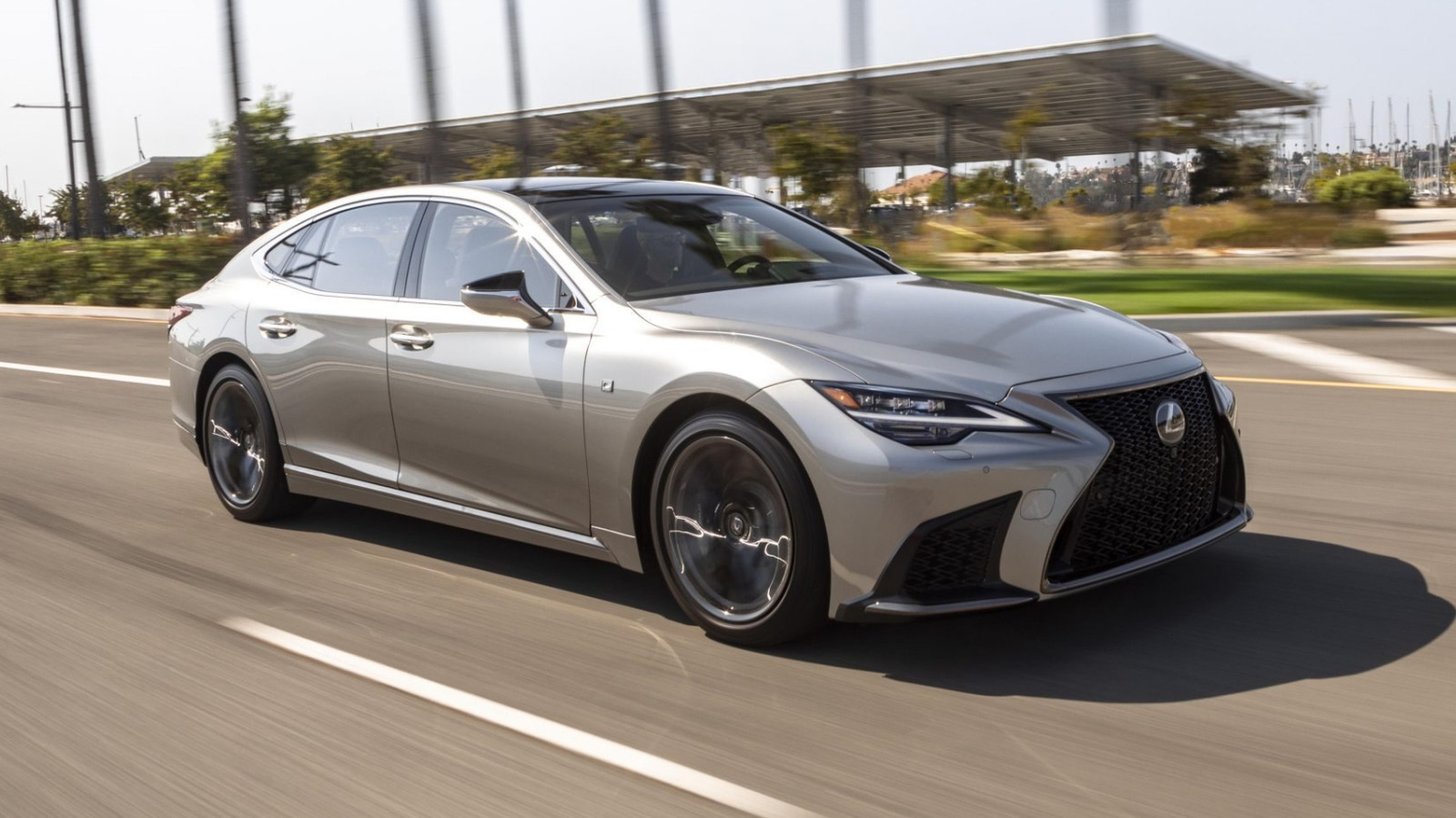
The Lexus LS 500 stands out in a luxury market where steep depreciation is usually the rule, not the exception. Even so, the sedan’s resale story is messier than Lexus SUV figures, with different pricing trackers landing on very different numbers. That split says a lot about the LS itself, the size of its used-car pool, and the challenge of pinning down what a high-end sedan is really worth a few years down the line.
Lexus has built a reputation for hanging onto value better than most premium brands, and that helps explain why the LS gets so much attention. In the broader luxury space, plenty of models fall hard and fast, while Lexus often behaves more like an economy brand than a badge-chasing indulgence. In resale awards and brand rankings, the company keeps showing up near the top, especially when SUVs are involved.
The LS, though, plays in a different lane. Sedan demand has been sliding for years, and that shift matters because the market for used luxury sedans is not nearly as strong as the market for crossovers. A car can wear a famous badge and still take a hit if buyers simply want something taller, newer, or easier to live with.
That is where the depreciation estimates start to diverge. iSeeCars suggests the LS drops a bit more than 40 percent after five years, which puts it roughly in line with an average sedan. That is not a bad outcome in this segment, especially when compared with many rivals that bleed value faster and harder.
CarEdge paints a rougher picture, putting the five-year loss at 53 percent. Even then, the LS still comes out ahead of some heavyweight German luxury sedans, which often suffer from stronger early depreciation. The message is simple enough: the LS is not immune to value loss, but it is not getting crushed either.
KBB is more pessimistic still, forecasting a 67 percent drop for a 2025 LS over its first five years. That is a big slide, and it shows how much depending on a single forecast can distort the picture. Different assumptions about demand, trim mix, and market timing can make the same car look either like a steady hold or a costly sinkhole.
Part of the problem is supply, or more accurately, the lack of it. The LS is not selling in huge numbers in the U.S., with annual sales now sitting at a very low level compared with mainstream vehicles. When there are only a handful of nearly new cars on the market, even a small change in sample size can swing the average resale estimate by a lot.
That thin supply makes the used market harder to read. A few pricey low-mileage examples can pull the average up, while a few rougher, higher-mileage listings can drag it down fast. The result is a resale picture that looks less like a clean trend and more like a moving target.
The live listings tell the same story. A 2021 LS 500 can show up at prices that range from the mid-30,000s to the mid-60,000s, depending on mileage, condition, and dealer certification. That spread is wide enough to make any neat five-year depreciation number feel a little shaky.
There is also the bigger question of whether buying one makes sense in 2026. Lexus is expected to end LS production after the 2026 model year, which gives the car a bit of end-of-the-line intrigue. That can help certain buyers feel like they are getting a special final-chapter sedan, but it does not automatically protect resale value.
Used buyers may find an odd mix of scarcity and opportunity. A well-kept LS can be harder to track down in some markets, yet that same scarcity can create room to negotiate if a seller needs to move it. Condition will matter a lot, because a luxury sedan with a sloppy history or heavy mileage can lose its appeal fast once it is time to resell.
The LS still has the core Lexus strengths going for it: a smooth ride, strong brand trust, and a reputation for being quietly overbuilt. But the used market does not reward personality alone, and sedan shoppers remain a smaller, pickier crowd than SUV buyers. That leaves the LS 500 in a strange spot, admired for what it is while still living with the market’s cold math.
