
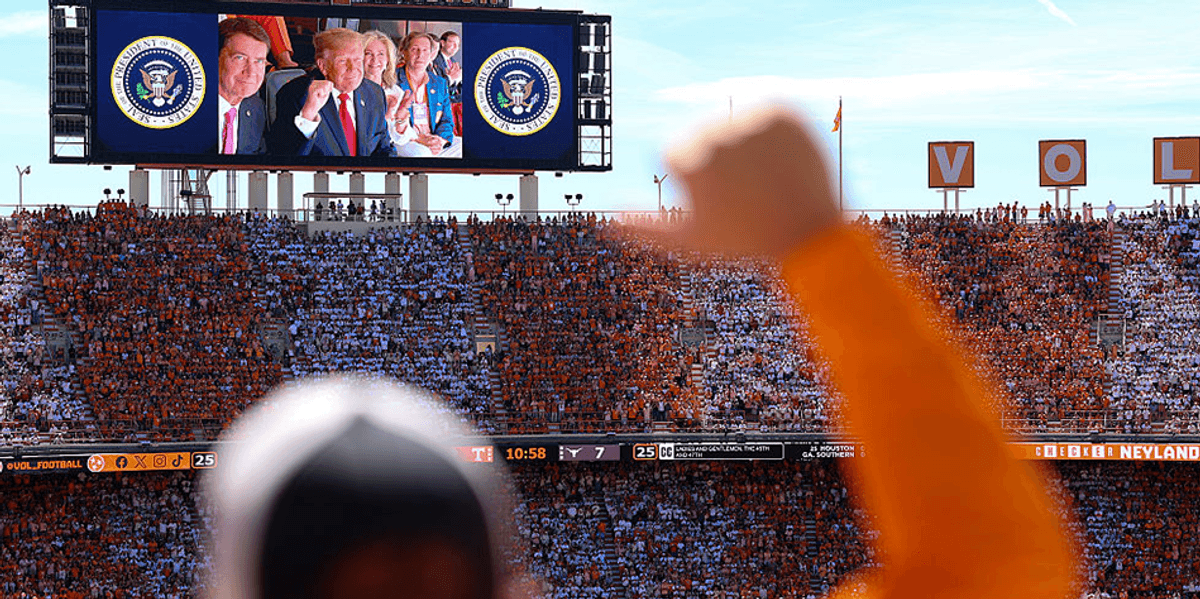
College sports are heading into another rough stretch, and the pressure is coming from every direction at once. The NCAA is trying to stay relevant while schools, lawmakers, and athletes keep pushing the system in new directions, and the White House could become a major player in how all of it shakes out.
The big issue is simple enough: the old model no longer fits the money, the travel, the transfers, or the legal fights surrounding college athletics. What used to look like a stable amateur system now feels like a crowded battlefield, with conferences stretching across the country and top programs chasing every possible advantage.
That is why attention keeps landing on President Trump and the possibility that his administration could help force a reset. The NCAA appears to think federal involvement might give it the cover it needs to tackle the mess, but any change of that size would come with serious consequences for schools, athletes, and the sports fans who are already tired of the chaos.
For years, college sports have been drifting toward a pay-to-play reality, and many people see that as proof the current setup is broken. Athletes have more leverage than ever, booster money is louder than tradition, and the transfer portal has turned roster building into a nonstop race that never really ends.
Supporters of reform argue that something has to give before the whole structure starts cracking under its own weight. If federal leaders step in, the hope is that the sport could finally get clear rules instead of the patchwork of lawsuits, state laws, and half-fixes that have made every season feel a little more unstable than the last.
But there is another side to this too. A heavy-handed fix could easily create new problems, especially if Washington tries to micromanage a world that has never fit neatly inside government control. College sports thrive on tradition, rivalry, and local identity, and a blunt federal solution could shake all of that up fast.
That is where people like Ted Cruz enter the conversation, because the fight is not just about athletics. It is about power, regulation, and whether schools should be treated like businesses, entertainment brands, or something entirely different when the stakes are this high.
The NCAA has spent years trying to protect the old order, but the old order is already gone in many ways. The real question now is whether Trump and other leaders would help build something sturdier or just speed up the demolition of a system that was already hanging by a thread.
Fans can feel the tension every time a star player transfers, every time a conference reshuffles, and every time another headline lands about compensation, eligibility, or competitive imbalance. The sport still draws huge crowds and massive loyalty, but beneath all that noise is a growing sense that college athletics is being forced to choose between tradition and total reinvention.
For now, the stakes are staying high, and nobody involved is pretending otherwise. The NCAA wants order, the schools want flexibility, the athletes want their cut, and the political world is looking at college sports as one more arena where a big, loud fight could decide what comes next.
