
American education is getting squeezed from both ends, with rising costs on one side and fading confidence on the other. Lost in all the noise, a handful of older colleges still point to a better path by keeping learning grounded, affordable, and serious. Their example matters because the schools that endure usually offer more than a degree, they offer purpose, discipline, and a place where students can actually grow.
There was a time when colleges were built to form character as much as careers. That idea has not vanished, but it has been buried under layers of branding, bureaucracy, and trendy mission statements that sound impressive and mean very little. The schools worth noticing today are often the ones that never stopped treating education like a demanding craft instead of a marketing campaign.
One reason these colleges still matter is that they take intellectual life seriously without turning it into a performance. Students are not just handed slogans and told to repeat them back with the right emotional tone. They are pushed to read closely, think clearly, and wrestle with ideas that do not always fit neatly into fashionable categories.
That approach has real appeal in a moment when many families are asking what they are actually paying for. Tuition keeps climbing, but plenty of graduates still leave college with weak writing skills, shallow habits of thought, and little confidence about the world beyond campus. When a school offers rigorous teaching at a lower price, it cuts through the fog and reminds people that education should be useful, not theatrical.
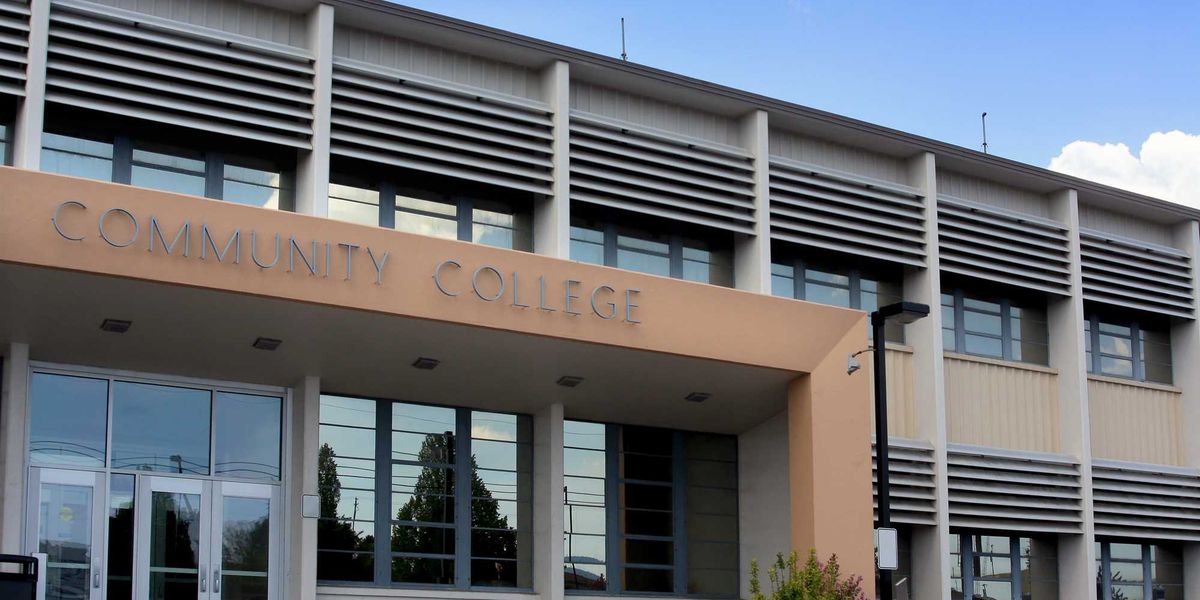
The affordability piece is not just a budgeting issue, either. It is tied to trust, and trust has been badly damaged by institutions that seem more interested in prestige than in serving students. Community college has long shown that a strong start does not need a giant bill, and the same instinct can shape four-year schools that refuse to pretend cost is no object.
These forgotten colleges also help explain why so many young men feel disconnected from higher education. A lot of campuses send the message that traditional goals, direct speech, and competitive ambition are suspect, then act surprised when students drift away. Schools that respect order, responsibility, and honest effort can feel like a lifeline to people who have been told their instincts do not belong.
That tension shows up everywhere, from political science departments to general education programs that lean hard into ideology. When classrooms become chambers for activism instead of places for inquiry, students notice. They may not always say it out loud, but they can tell when a college wants their tuition more than their minds.
Some of the best of these institutions keep a steady focus on philosophy, history, literature, and the habits that make free people capable of self-government. That sounds old-fashioned because it is old-fashioned, and that is part of the charm. In an era obsessed with speed and signaling, slow reading and serious discussion can feel almost rebellious.
The gender gap in higher education has become impossible to ignore, and it adds another layer to the story. Young men in particular often want structure, clarity, and a sense that effort still counts for something. Colleges that provide that environment are not chasing headlines, they are meeting a need that bigger, trendier schools keep overlooking.
There is also a broader cultural point here. When institutions lose confidence in their own mission, they tend to fill the gap with political activism and empty language about inclusion that never quite touches learning. Conservative voters, in particular, are starting to see that the answer is not endless reform at the federal level, but support for schools that already understand what education is supposed to do.
That is why these colleges matter now, even if they do not get the spotlight. They are not trying to be everything to everyone, and that restraint is part of their strength. In a chaotic education landscape, they stand out by doing the simple thing well, and that is getting rare enough to feel almost radical.
