
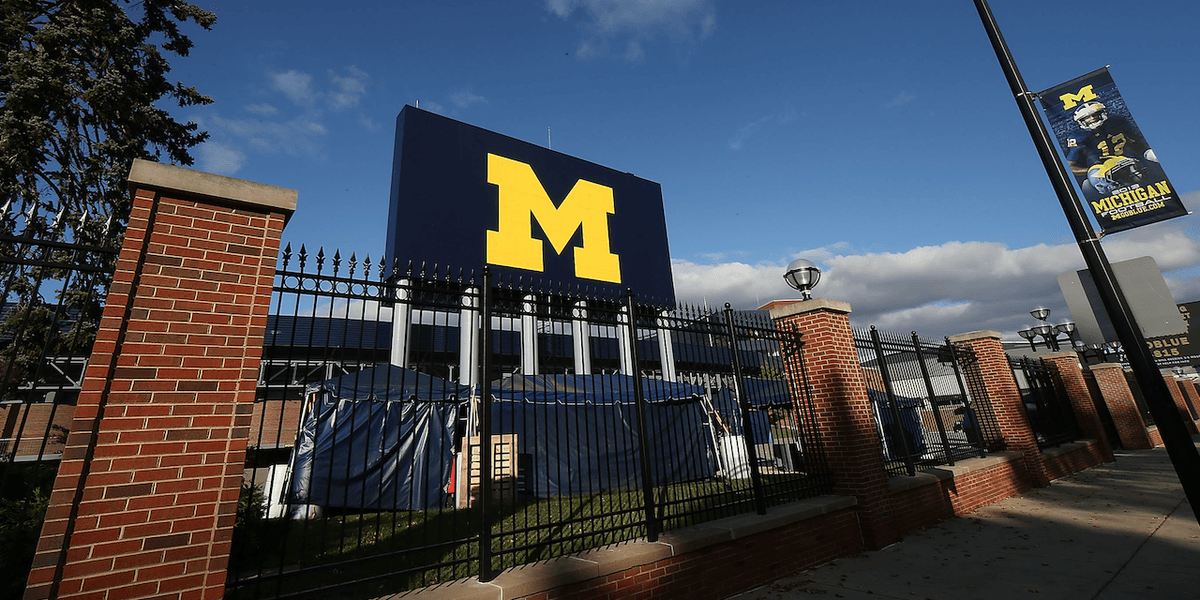
A tense scene at the University of Michigan has once again put campus free speech, political identity, and public safety in the spotlight. A conservative Jewish influencer was reportedly confronted and physically attacked during a free-speech event, and the episode quickly drew attention because of how fast a discussion turned into a flashpoint. The video of the incident added fuel to an already heated conversation about what happens when activism, ideology, and crowd energy collide.
The event was supposed to be about expression, debate, and public engagement. Instead, it became a stark reminder that college campuses can go from open exchange to outright chaos in seconds when tempers flare and respect for basic boundaries disappears. The clash also raised familiar questions about whether free speech is being defended or drowned out by intimidation.
What made the scene especially striking was the identity of the person targeted. As a conservative Jewish commentator, the influencer sat at the intersection of several politically charged labels, which made the attack feel bigger than a single confrontation. In today’s climate, that kind of overlap tends to sharpen reactions on all sides, and it often leaves little room for calm discussion.
The language surrounding the incident was harsh, and that alone says a lot about how raw these moments have become. People do not toss around explosive insults and then expect a peaceful exchange, especially at a university event built around public debate. When anger becomes the main currency, the room can turn ugly fast.
Campus politics have been on edge for years, but incidents like this make the concerns impossible to ignore. Universities like to present themselves as places where open inquiry thrives, yet the reality can look very different when activists decide that confrontation matters more than conversation. That gap between the ideal and the reality is where distrust keeps growing.
Attention also turned toward the broader political atmosphere in Michigan, where identity politics and local power struggles have been unusually intense. Abdul El-Sayed’s name surfaced in the surrounding conversation because campus and state politics in the region often bleed into one another. When that happens, a single confrontation stops looking isolated and starts looking like part of a wider pattern.
There is also the deeper issue of what students, faculty, and public figures think they are entitled to do when they hear ideas they hate. Free speech is not supposed to depend on whether someone likes the speaker, the message, or the politics behind it. Once force enters the picture, the whole idea of open debate starts to crack.
The fact that the incident involved a Jewish conservative influencer gave it an added layer of seriousness. Political hostility and religious identity can mix into a volatile brew, and that makes restraint even more important. When a campus loses that restraint, the entire environment gets colder, meaner, and harder to trust.
For many observers, the concern is not just one bad moment captured on video. It is the growing sense that some events are no longer treated as spaces for disagreement but as arenas for punishment. That is a dangerous shift, and it sends the wrong message to anyone who still believes public conversation should be loud, honest, and free without turning physical.
