
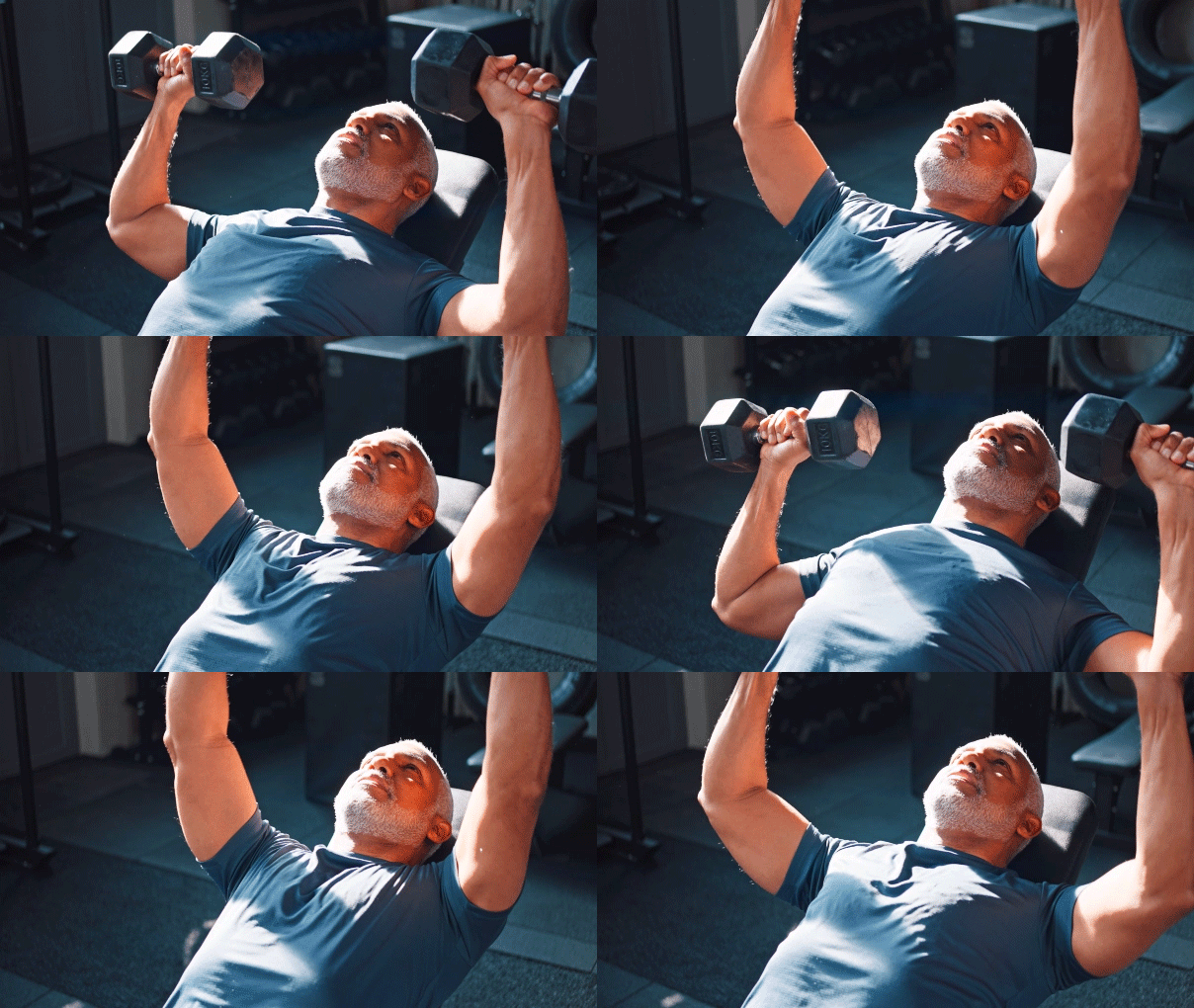
Keeping muscle gets harder with age, but the slide is not inevitable. Fitness coach Jacob Zemer says the real threat usually comes from a mix of habits, hormone shifts, and too much sitting, with weight-loss drugs like GLP-1s adding another layer of risk for some people. The good news is that a few consistent moves can go a long way toward protecting strength, mobility, and everyday energy.
One of the biggest reasons muscle fades is simple lifestyle drift. Teen years and early adulthood tend to be naturally active, but work, family, and routine can slowly replace movement with long stretches of sitting. That drop in activity lowers the body’s demand for muscle, which makes it easier for strength to slip away.
Hormones also start changing as people move into their 40s, and that matters more than many realize. Zemer points out that the body becomes less efficient at using calories for building muscle and more likely to store them as fat. That shift often shows up in the waistline first, along with a general feeling that the body is not recovering or performing like it used to.
Protein sits at the center of the conversation because it helps trigger muscle protein synthesis, the repair process that keeps tissue strong. For people who train regularly, eating enough protein becomes even more important, since the body needs raw material to keep up with the stress of exercise. Sedentary people do not need to obsess over every gram, but active adults should pay closer attention to what is on the plate.
Strength training is the other big piece, and it is not optional if the goal is to age well. Guidelines recommend working all major muscle groups at least two days a week, and even short sessions can help maintain what has already been built. The point is not to become a bodybuilder overnight, but to keep enough resistance in the routine that the muscles have a reason to stay.
For people who are new to lifting, the best starting point is usually plain, useful movement. Squats, lunges, push-ups, pulling exercises, and carries all train the body in ways that show up in real life, not just in the mirror. Those basics help with balance, grip, and stability, which matter just as much as size when the goal is long-term function.
Sleep is the quiet part of the equation, but it may be one of the most important. Zemer stresses seven to nine hours of quality sleep, and the warning gets sharper when sleep drops to around five hours night after night. That kind of deficit can speed up muscle loss and make recovery much harder, especially for people who are already training or trying to lose weight.
Injury or discomfort does not have to mean total shutdown either. The worst move is usually doing nothing at all, since prolonged inactivity can send strength in the wrong direction fast. If one exercise hurts, there are usually other options that still keep the body moving and the muscles working without making the problem worse.
That advice becomes even more important for people using GLP-1 medications for weight loss. These drugs can help reduce fat quickly, but they can also take lean muscle with them if protein intake and resistance training are ignored. The smartest approach is to treat muscle preservation as part of the plan, not an afterthought, so the weight that comes off is not coming from the wrong places.
The larger message is pretty straightforward: muscle does not just disappear because birthdays keep coming. It usually fades when movement drops, nutrition slips, sleep gets messy, and the body stops getting the signal to stay strong. A few steady habits can keep that from happening, and they matter long before old age ever shows up.
