
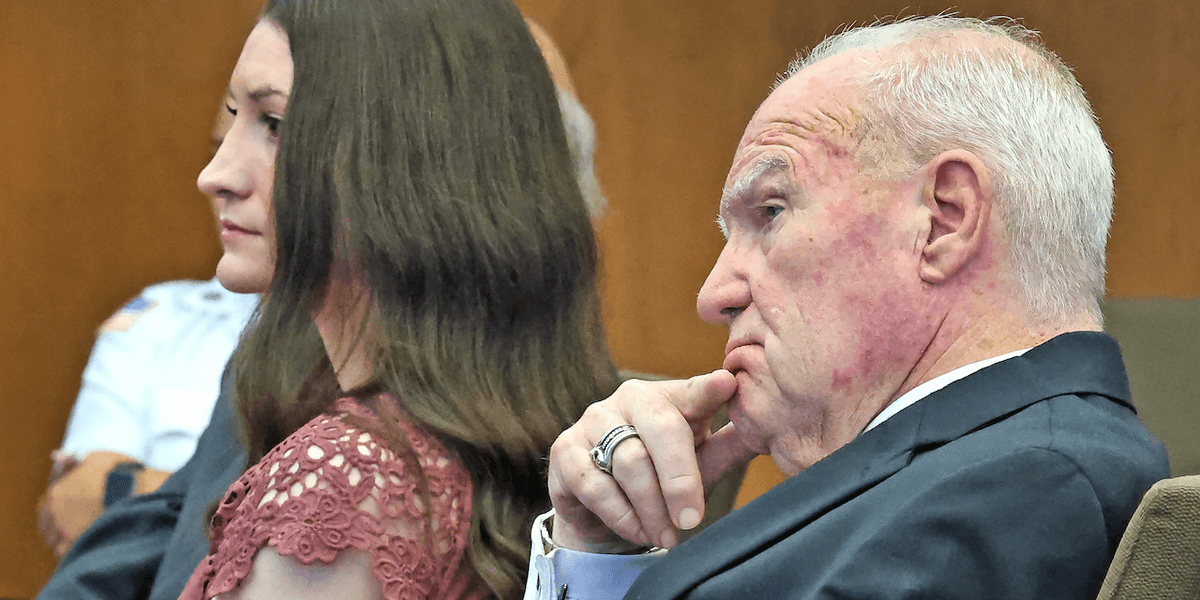
Lindsay Clancy’s court fight took another sharp turn in Plymouth County, where her defense pushed hard for a new path after the earlier mistrial. The hearing centered on how the case should move forward, with the lawyer pressing a striking argument tied to the mental state that has shadowed the case from the start.
Clancy, whose name has been tied to one of Massachusetts’ most disturbing criminal cases, appeared in court as the legal battle reset after the mistrial. The room was focused on the same grim question that has followed the case through every stage: what kind of responsibility can be assigned when a defendant’s mental health is part of the story?
Her attorney leaned into that issue during the status hearing, arguing that the circumstances call for a close look at postpartum psychosis and the way it may have affected her actions. That line of defense has been central before, but the latest hearing gave it renewed force as the case moved into its next phase.
The stakes remain enormous because the charges sit at the center of a tragedy that stunned the community and drew intense national attention. Every courtroom appearance has carried that weight, and this one was no different, with the legal arguments colliding against the emotional force of what happened inside the family home.
In court, the defense did not try to soften the gravity of the accusations. Instead, it framed the hearing around the idea that the case cannot be separated from the medical and psychological questions surrounding Clancy’s condition at the time, a point that can reshape everything from strategy to possible outcomes.
That approach has become one of the defining features of the case. Prosecutors and defense attorneys are not just fighting over facts, but over how to interpret them, and that makes each hearing feel bigger than a routine procedural step.
The mistrial added another layer of uncertainty, leaving both sides to regroup and reassess what comes next. When a case already charged with this much emotion stalls, the next hearing often takes on outsized meaning, and this one brought no shortage of that tension.
What stood out most was the defense’s willingness to go straight at the issue of mental illness rather than treat it like a side note. That choice signals the direction they want to push the case, one that keeps the focus on psychiatric evidence instead of letting the charges stand alone as a simple criminal narrative.
For the court, that means more than just scheduling and procedure. It means sorting through a highly sensitive record where science, law, and public outrage all sit in the same room, and none of them are easy to separate.
The hearing also served as a reminder that this case is far from finished. With the mistrial behind it and the defense pressing its argument, the next steps will likely draw the same intense scrutiny that has followed every development so far, and the courtroom pressure is not going anywhere.
Even at this stage, the case continues to hinge on a hard question with no easy answer. The law wants clarity, the facts are devastating, and the defense is betting that mental health remains the key that could change the entire shape of what happens next.
