
Here’s the shape of the piece:
- Marijuana use is spreading fast, and kids are caught in the middle
- Household cannabis use is shaping children’s risk
- Potent THC products are making the problem more serious
- Pregnancy and early development face real health risks
- Family influence can drive long-term addiction patterns
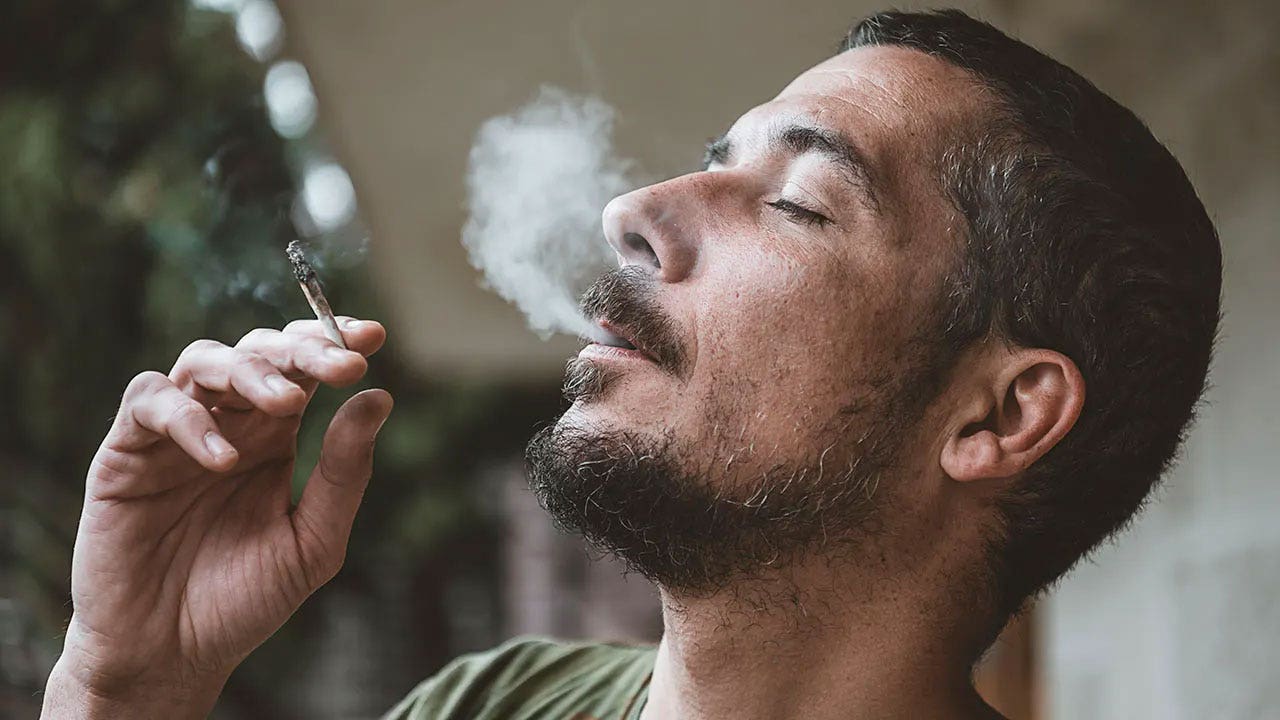
Marijuana has moved from a fringe habit into something far more ordinary, and that shift is not coming without a cost. The fallout is landing in homes, where children are breathing it in, watching it, and sometimes learning it far too early. What once looked harmless to many adults is now part of a wider public health problem that keeps growing in plain sight.
The numbers are hard to shrug off. Roughly 6 million children in the United States live with a parent who uses cannabis most days, and that kind of daily exposure matters. When marijuana becomes part of the household routine, the message to kids gets muddy fast, and the risk of imitation rises with it.
That is not just theory. Children who live with a regular user are twice as likely to use cannabis themselves, according to national survey data. Habits in the home have a way of setting the tone, and when a parent normalizes drug use, the line between adult behavior and childhood curiosity starts to blur.
The bigger problem is that today’s marijuana is not the same product many adults remember from years ago. THC levels have surged across joints, vapes, edibles, and concentrates, with some products packing a much stronger punch than older versions ever did. What used to be a milder drug has turned into something far more intense, and that raises the stakes for everyone nearby.
That potency is especially troubling because cannabis is now woven into so many forms that are easy to use and easy to hide. Edibles look innocent, vape cartridges are discreet, and concentrates can deliver a heavy dose in a short time. The result is a culture that often treats a powerful drug like a casual accessory.
The danger starts even before birth. Marijuana exposure during pregnancy has been linked to higher odds of premature birth, low birth weight, and newborns needing immediate care in a neonatal intensive care unit. Yet more than 5% of pregnant women have reportedly used marijuana products in the past month, which means the trend is not slowing down where it should.
That matters because early exposure can echo for years. Research also suggests that children exposed to THC in the womb face a much greater chance of later use during the teen years, which is exactly the kind of pipeline no family wants. The earliest stages of life are not a safe place to gamble with a substance that alters brain function.
Family behavior keeps showing up in the data too. A Harvard study linked a mother’s cannabis use during a child’s first 12 years to a greater likelihood that the child would begin using marijuana by age 16. That kind of pattern does not come from nowhere, and it shows how much influence parents carry, whether they mean to or not.
There is also a broader cultural problem behind all this. Alcohol still affects a massive number of Americans, but cannabis is now being used daily by more people than alcohol in some circles. That is a huge shift, and it comes with the same old lesson: once an addiction or dependency starts running the show, it does not stay neatly contained.
Recovery stories have a way of cutting through the noise. The most effective help often comes from honesty, humility, and connection, not lectures or slogans. When adults model restraint and recovery instead of denial, children get something much more useful than a talking point, and that can shape the choices they make later on.

1 Comment
Bad scene optics OK for Medical use other wise NO
IF Kids under 14