
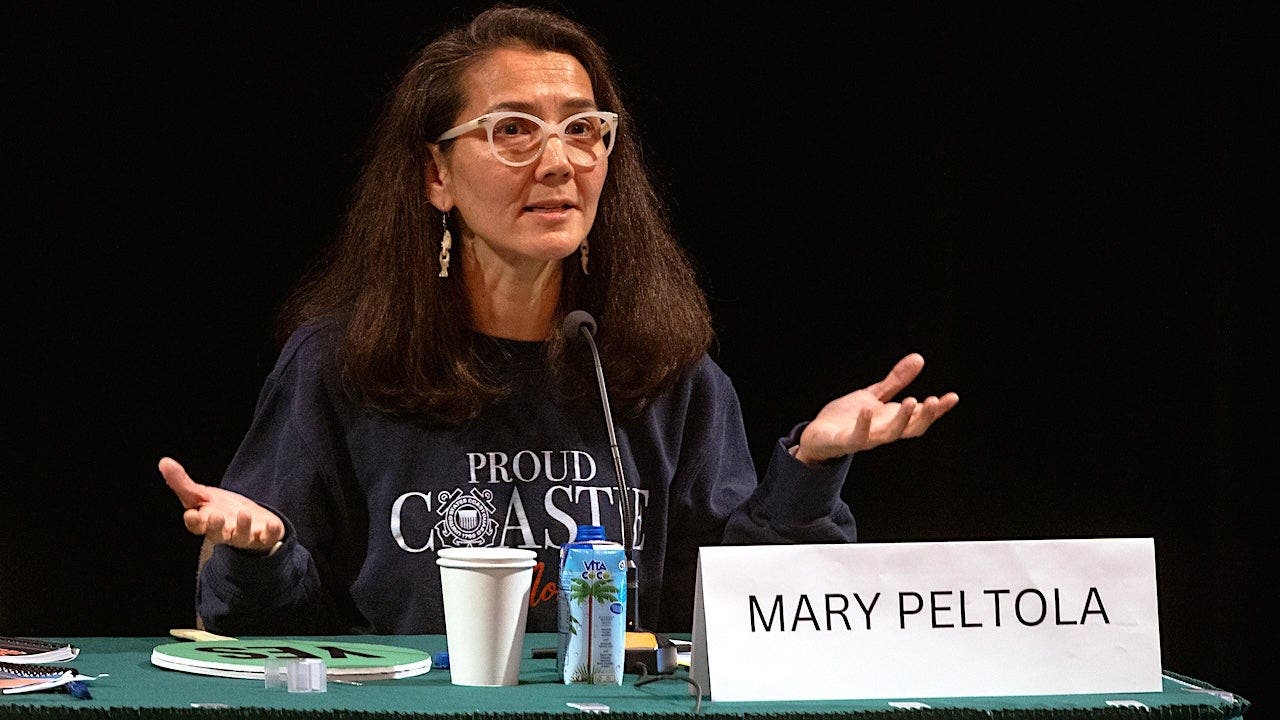
The Alaska Senate race has turned into a messy test of honesty, and the central issue is whether voters were deliberately gamed under ranked-choice rules. Reports have raised serious questions about efforts to recruit additional candidates with a familiar name, and Mary Peltola’s response has only made the situation more tense. What started as a political maneuver now looks like a credibility problem that cuts straight to trust.
According to the reporting, campaign aides and Democratic Senate Committee staff were involved in trying to bring in another Daniel J. Sullivan to complicate the ballot math against Republican Sen. Dan Sullivan. The point was obvious enough: create confusion, split attention, and hope voters get tripped up when the time comes to rank their choices. That is not persuasion, and it is not a clean way to win a Senate race.
Even more troubling, the reporting says Peltola was “definitely aware” of the effort. Her campaign and allies have denied being part of any scheme, but denial is not the same thing as daylight, and it does not erase the documents and interviews now in the public square. When a campaign will not clearly condemn a stunt like this, the silence starts sounding a lot like permission.
Alaskans are not asking for fancy spin. They are asking for straight answers, and the reason is simple: elections are supposed to be about ideas, not traps. Ranked-choice voting already creates plenty of confusion on its own, and adding a name-game strategy on top of that only makes the process feel more rigged and less honest.
This is where character matters. If Peltola had nothing to do with it, then she should say so plainly and denounce the tactic without hesitation. If she knew about it, then voters deserve to know why her team thought this was an acceptable path to power.
The problem goes beyond one campaign tactic. It reflects a broader habit in modern politics where some operatives act like winning matters more than playing fair, and voters are expected to shrug it off. That may work in the short term with party loyalists, but regular people tend to notice when they are being treated like marks instead of citizens.
The allegations also put a spotlight on the people around the campaign, including operatives and lawyers who appear to have been in the loop. That makes the denials harder to swallow, because these were not random hallway rumors floating through a bad news cycle. This was an organized effort, and if the reporting is right, it reached deep into the political machinery around the campaign.
What makes the whole thing uglier is how unnecessary it was. If a candidate has a strong case, the campaign should make it directly and let voters decide on the merits. Resorting to a namesake spoiler plan sends the opposite message, which is that the team believed confusion was more useful than conviction.
That kind of approach insults the electorate. It assumes voters are easily manipulated, too distracted to catch on, or too exhausted to care once the ballot gets messy. Alaskans have every reason to reject that attitude and demand a cleaner, more honest contest from everyone involved.
Peltola now faces a simple choice, and it is not a hard one. Tell the truth, condemn the tactic, and stop hiding behind vague denials. Anything less leaves voters with the same uncomfortable question hanging over the race: if this was the strategy before the election, what else would be considered fair game after taking office?
