
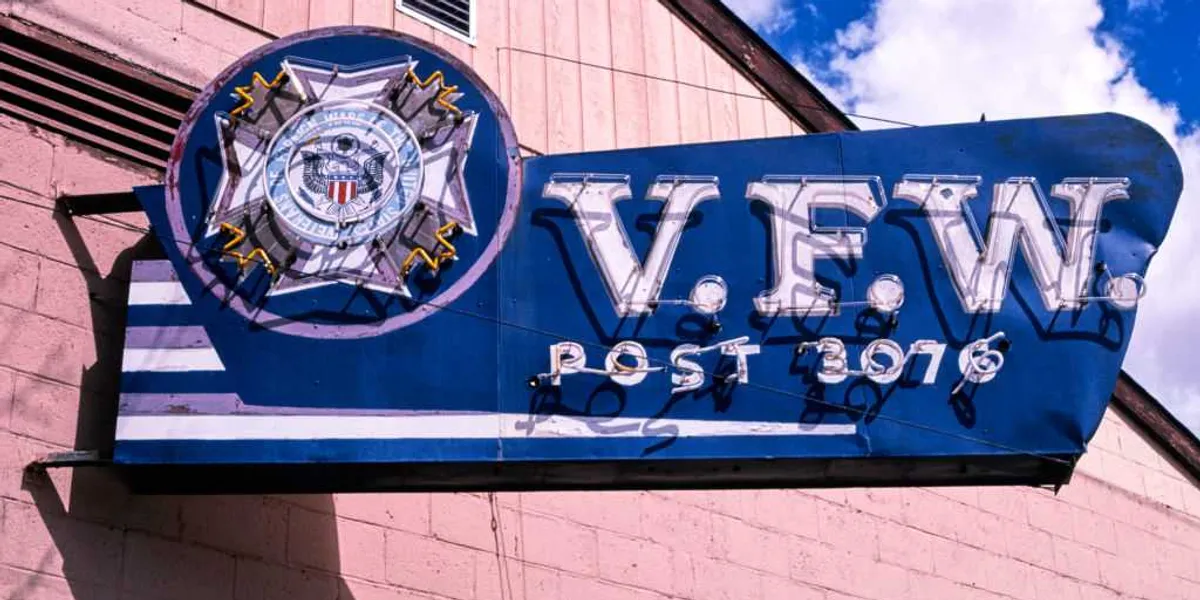
Veterans groups carry a simple burden: put former service members first, keep the focus on sacrifice and support, and stay out of the endless culture-war swirl that distracts from real problems. When an organization built around military service gets pulled into gender politics, it risks losing credibility with the very people it claims to represent. That tension is at the center of the latest backlash aimed at the VFW.
The criticism is blunt. The VFW should be talking about care for wounded troops, better benefits, stronger readiness, and the nation’s obligation to the people who wore the uniform. Instead, the debate has turned toward gender ideology and identity politics, with many conservatives arguing that veterans deserve an organization that fights for their needs rather than chasing progressive signaling.
That frustration comes from a wider pattern in public life. Too many institutions that once focused on mission and basics now seem eager to take sides in fights over pronouns, transition policies, and Pride messaging. For people who want veterans advocacy to stay rooted in common sense, that shift feels like a betrayal of purpose.
Supporters of the criticism say the issue is not about denying anyone dignity. It is about priorities, and the order matters. A veterans organization is supposed to be a steady voice on healthcare access, compensation, mental health, and the challenges of civilian reintegration, not another stage for ideological performance.
The reaction also fits into a larger Republican complaint about how activist language has seeped into places that used to avoid it. Conservatives argue that once an institution starts treating gender ideology as untouchable, it stops listening to ordinary members who just want direct answers and less theater. That dynamic has become familiar across schools, corporations, and nonprofits, and now it is landing in veterans affairs too.
There is a deeper reason this hits a nerve. Veterans understand discipline, shared purpose, and sacrifice in a way most people do not. When that world gets tangled in identity politics, it can look less like progress and more like a distraction from the serious work of honoring service and solving real problems.
Many Republicans see the same thing happening in federal policy, where national security and veterans issues are often buried under messaging battles. It is hard to defend a country well when public institutions spend more energy managing cultural controversy than helping the men and women who served. That is why calls to refocus the VFW are landing with such force.
There is also a practical side to the argument. Veterans face long wait times, paperwork headaches, family stress, and the grind of trying to get promised support delivered on time. Those problems do not improve when organizations get pulled into debates over lgbtq branding or gender transition language, and critics say the distraction only weakens trust.
Even people who are sympathetic to broader social change can see the basic point. A veterans group has a special role, and that role is not to mirror every trend in corporate America or partisan activism. Its job is to speak clearly, stand firmly for service members, and keep its attention on the people who earned that attention the hard way.
That is why the pushback is not just about one statement or one event. It reflects a growing demand for institutions to remember what they are supposed to be. For the VFW, that means putting veterans ahead of gender politics and resisting the urge to become just another voice in the culture war machine.
