
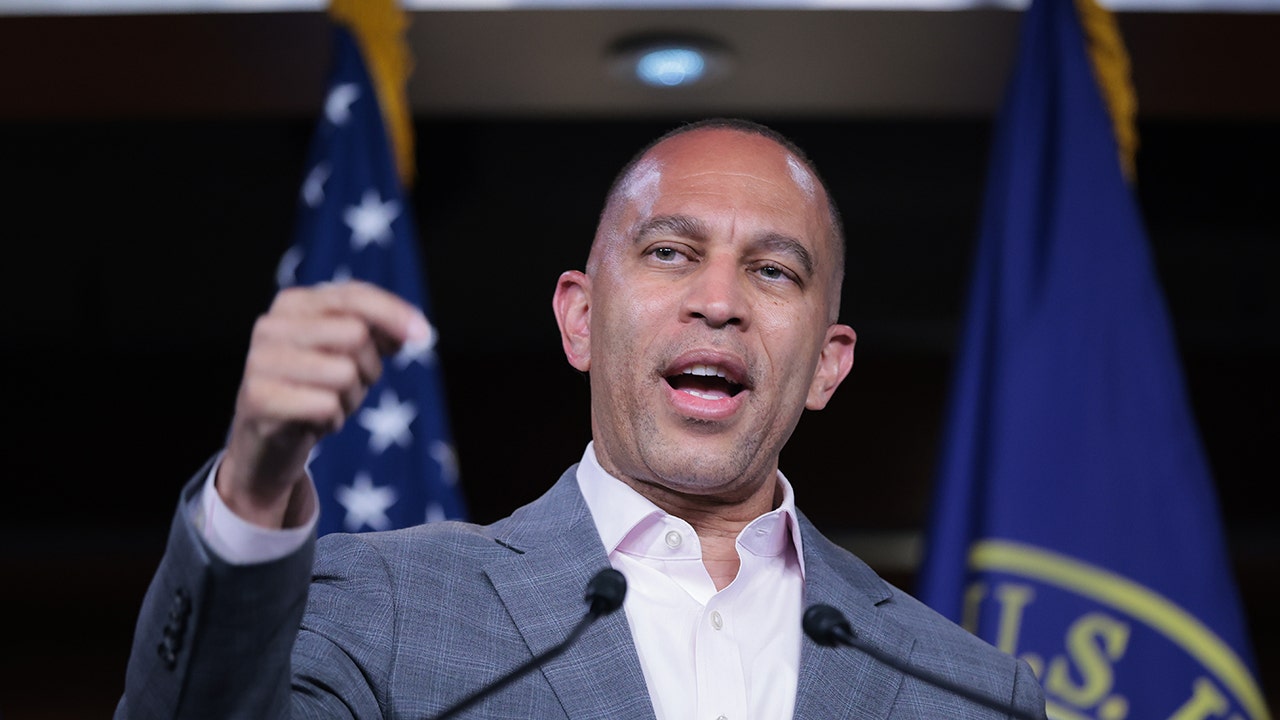
House Democrats have kicked off their next chapter with a familiar kind of tension: a leadership win at the top, and a noisy push from the left edge to make that win come with strings attached. Hakeem Jeffries came through the caucus vote with overwhelming support, even as a small group of incoming members pushed hard on issues like Medicare-for-all, ICE, Gaza, and campaign finance. Jeffries is signaling confidence, but the pressure inside the party is clearly not going away.
Only 11 Democrats voted against Jeffries, which tells the story pretty fast. The numbers were solid enough to lock in his standing, yet the objections came from lawmakers who want sharper commitments on the far-left wish list before the new Congress gets rolling.
Jeffries kept his response cool and short. After the vote, he said the party would “work together,” and he framed the incoming majority as a big tent, not a faction fight. That message was aimed at calming nerves and pushing the focus away from internal drama and toward governing.
The dissenters were not shy about what they wanted. In a joint statement, the lawmakers said talks with Jeffries were still “ongoing,” and they pointed to Medicare-for-all, stopping ICE terror, getting money out of politics, and ending the genocide in Gaza as priorities their constituents expect them to fight for.
That kind of language is not exactly subtle, and it shows the gap inside the party. Some Democrats want leadership that sounds more like an activist rally, while others seem more interested in keeping the caucus broad enough to actually govern without constant self-inflicted chaos.
Jeffries did not take the bait when asked whether he would embrace the far-left demands. He made it clear that the caucus vote spoke for itself, and he stayed away from promising big policy concessions to the members who were unhappy with the result. That restraint suggests he knows exactly where the pressure is coming from, and he is not eager to hand the hard left a veto over the party’s agenda.
He also drew a sharp line about where the energy should go. Rather than turning the new majority into a grievance machine, Jeffries said the caucus should be focused on “fight MAGA extremism, not each other.” It is a message built for the broader Democratic base, but it also serves as a warning to the factions trying to force the party into a narrower lane.
The incoming House majority is large, and large majorities tend to come with big personalities and bigger arguments. Jeffries tried to turn that into an asset, saying the party has members from all across the country with different perspectives and that the goal is to find “the highest common denominator” to improve life for Americans.
That sounds like the kind of line a leader gives when he wants unity without surrender. It acknowledges the internal differences while making it clear that the new majority is supposed to act like a governing coalition, not a protest crowd constantly grading itself on ideological purity.
The far-left side of the party is still making its presence felt, though, and it is doing so in public. The list of demands, from abolishing ICE to cutting military aid to Israel, shows how much distance remains between the caucus leadership and the activists trying to pull Democrats further left with every vote.
At the same time, the leadership team seems determined not to let those demands define the party’s opening act. With the next Congress set to begin soon, Jeffries is projecting control, patience, and discipline, even as the internal fault lines stay exposed and the louder voices keep pressing for a much more aggressive agenda.
