
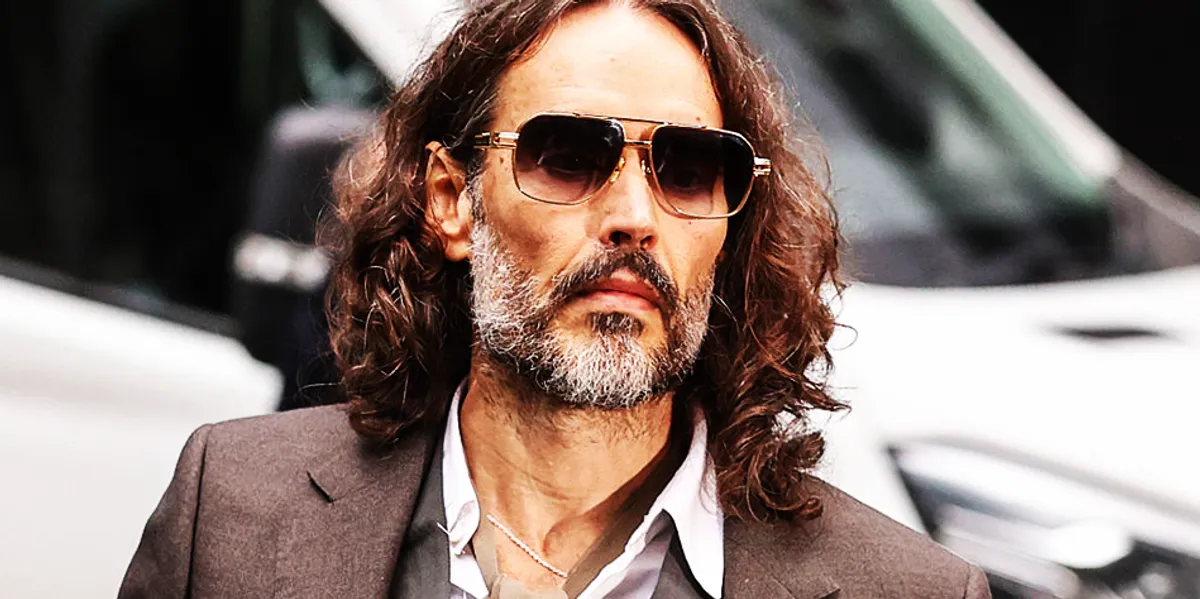
Russell Brand’s online footprint has taken a dramatic hit after recent sentencing, with millions of social media followers disappearing in the aftermath. The numbers are hard to ignore, and they point to a fast-moving public reaction that has spilled far beyond one platform. For a figure who built much of his reach on constant visibility, the scale of the drop is striking.
The decline has centered on the major places where Brand once pulled in attention, especially Instagram and Facebook. Those platforms helped fuel his public persona for years, turning him into a familiar name across entertainment, commentary, and online culture. When that kind of audience starts slipping away, it usually says as much about public sentiment as it does about the platform itself.
What stands out here is not just that followers left, but how quickly the reaction accelerated after sentencing. Social media can be brutally reactive, and once the crowd decides someone’s brand no longer fits the moment, the exit can be swift. In Brand’s case, the drop has become a clear marker of how fragile online influence can be when real-world consequences enter the picture.
Brand has long been a polarizing public figure, which made his online presence especially volatile from the start. Supporters have viewed him as outspoken and unpredictable, while critics have often seen him as built on controversy. That split has always made his social numbers more than just vanity metrics, because they reflected a built-in tug of war over who he really was to the public.
The reaction also highlights a broader truth about social platforms: audiences are not locked in. They can grow fast, but they can vanish just as quickly when trust, reputation, or relevance takes a sharp turn. In a landscape where visibility is currency, losing millions of followers is more than embarrassing, it can reshape how a public figure is seen by both fans and opponents.
There is also a cultural edge to the moment, because online audiences increasingly treat follow counts like a verdict. A steep drop gets read as rejection, even when some of it may come from account cleanup or shifting platform behavior. Still, the symbolism matters, and in this case it lands hard because Brand has always relied on a loud, highly engaged digital audience.
That kind of audience tends to magnify every rise and fall. When support is strong, the numbers soar and the message spreads fast. When the tide turns, the same machinery that built the spotlight can make the retreat feel even harsher, and that is exactly what has played out here.
For Meta-owned platforms like Instagram and Facebook, moments like this are a reminder of how public figures live at the mercy of user sentiment. The platforms do not create the backlash, but they do make it visible in real time, with no room to hide from the count. That visibility can be brutal, especially when a name that once drew attention starts to lose it by the million.
Brand’s drop in followers now sits alongside his legal troubles as part of the same public story. The two are not separate in the minds of many observers, and that overlap is driving the reaction. In the fast churn of social media, reputation can change overnight, and sometimes the audience makes that change impossible to miss.
