
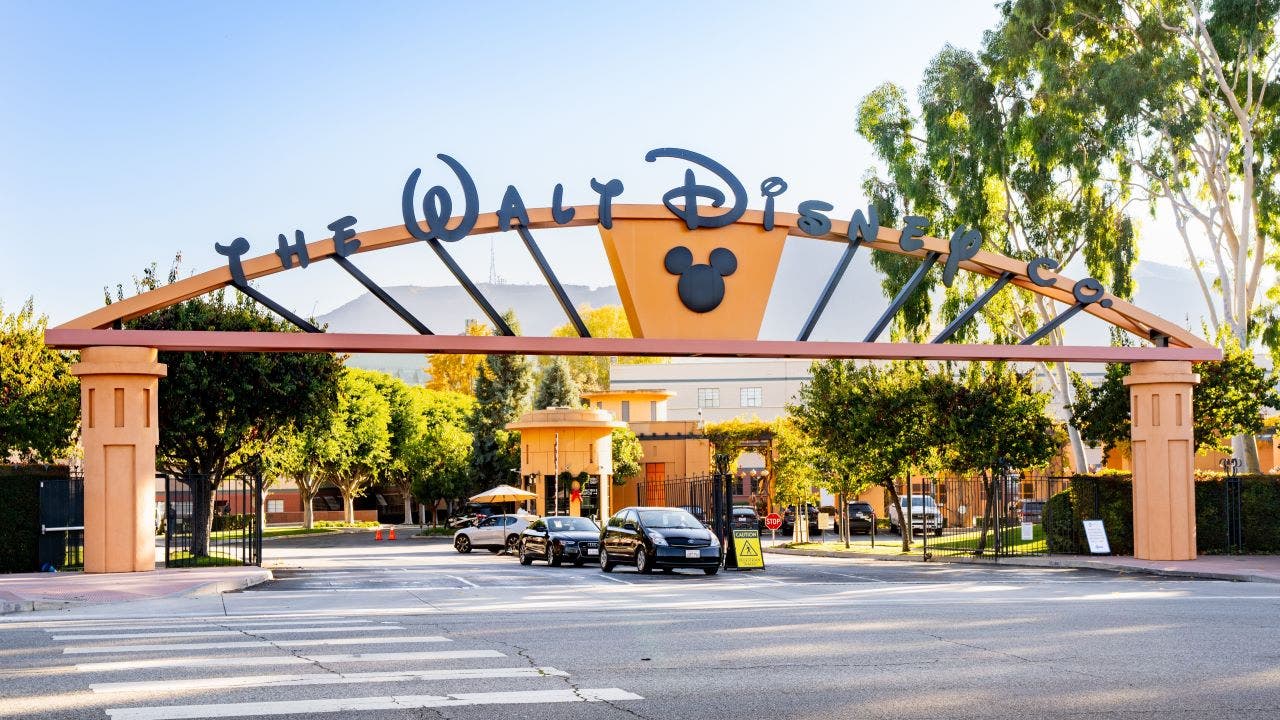
Disney is back in the headlines for another round of job cuts, with reports saying hundreds of employees are being let go across key parts of the company. The latest reductions land in human resources and technology, adding to a stretch of cost-cutting that has now touched several corners of the entertainment giant. The move also fits into a bigger restructuring effort that has been building for months.
Earlier this year, Disney already trimmed its workforce in multiple waves. In April, about 1,000 jobs were eliminated across the company’s marketing group and other areas, including studio operations, TV, ESPN, products and technology, and some corporate functions. A few months later, additional layoffs reportedly hit Pixar, ESPN, Disney Studios, and Disney Entertainment Television.
The company did not stop there. In August, Disney also made voluntary early retirement packages available to longtime executives as part of the restructuring push. Those offers were aimed at workers in senior roles across Disney Entertainment, ESPN, and corporate divisions, signaling that the pressure to streamline was reaching deeper into the organization.
The retirement package was limited to employees with at least 10 years at Disney who were 50 or older. It came with a mix of separation pay, continued vesting of equity awards, healthcare support at active employee rates, and continued Silver Pass access. That kind of package can be a softer landing than a standard layoff, but it still shows a company reshaping itself from the top down.
Disney’s workforce is huge, which makes any round of cuts feel even more significant. At the end of fiscal 2025, the company employed about 231,000 people worldwide, including roughly 172,000 in the U.S. and 59,000 outside the country. When a company that large starts shaving jobs in multiple departments, it tends to send a clear message about priorities and spending.
There is also a longer history behind this latest move. In 2023, Disney cut 7,000 jobs as part of a plan to save $5.5 billion under former CEO Bob Iger. That earlier effort set the tone for a company focused on efficiency, tighter operations, and fewer layers of management.
The timing matters too, because the company is moving through a leadership transition. Josh D’Amaro took over as CEO in March, and big personnel shifts often come with new leadership deciding where the business should lean harder and where it should pull back. In a company built on creativity and scale, those decisions can reshape both culture and strategy fast.
Disney’s stock has also been under the microscope as investors watch how the restructuring plays out. Shares dipped slightly in the latest trading, a reminder that Wall Street is paying close attention to whether the company’s belt-tightening can translate into stronger performance. For a brand as massive and visible as Disney, every cut lands with both financial and symbolic weight.
The layoffs in human resources and technology are especially telling because those are the kinds of departments that often support the backbone of a large corporation. When those teams are affected, it usually means leaders are searching for leaner operations, fewer overhead costs, and more pressure to do more with less. That can create ripple effects well beyond the employees directly impacted.
Disney has been trying to balance cost control with the demands of a sprawling entertainment empire that includes parks, streaming, film, television, and sports. That mix brings constant pressure to keep the business nimble while still feeding fans the big experiences and content they expect. The latest cuts make it clear that the company is still working through that balancing act, and the next moves will matter just as much as the ones already made.

1 Comment
quit nickel & diming those in park & using services
automate more
CUT services or merge
Package plans
Merge ride types
more adult for Disney in the food services area would help