
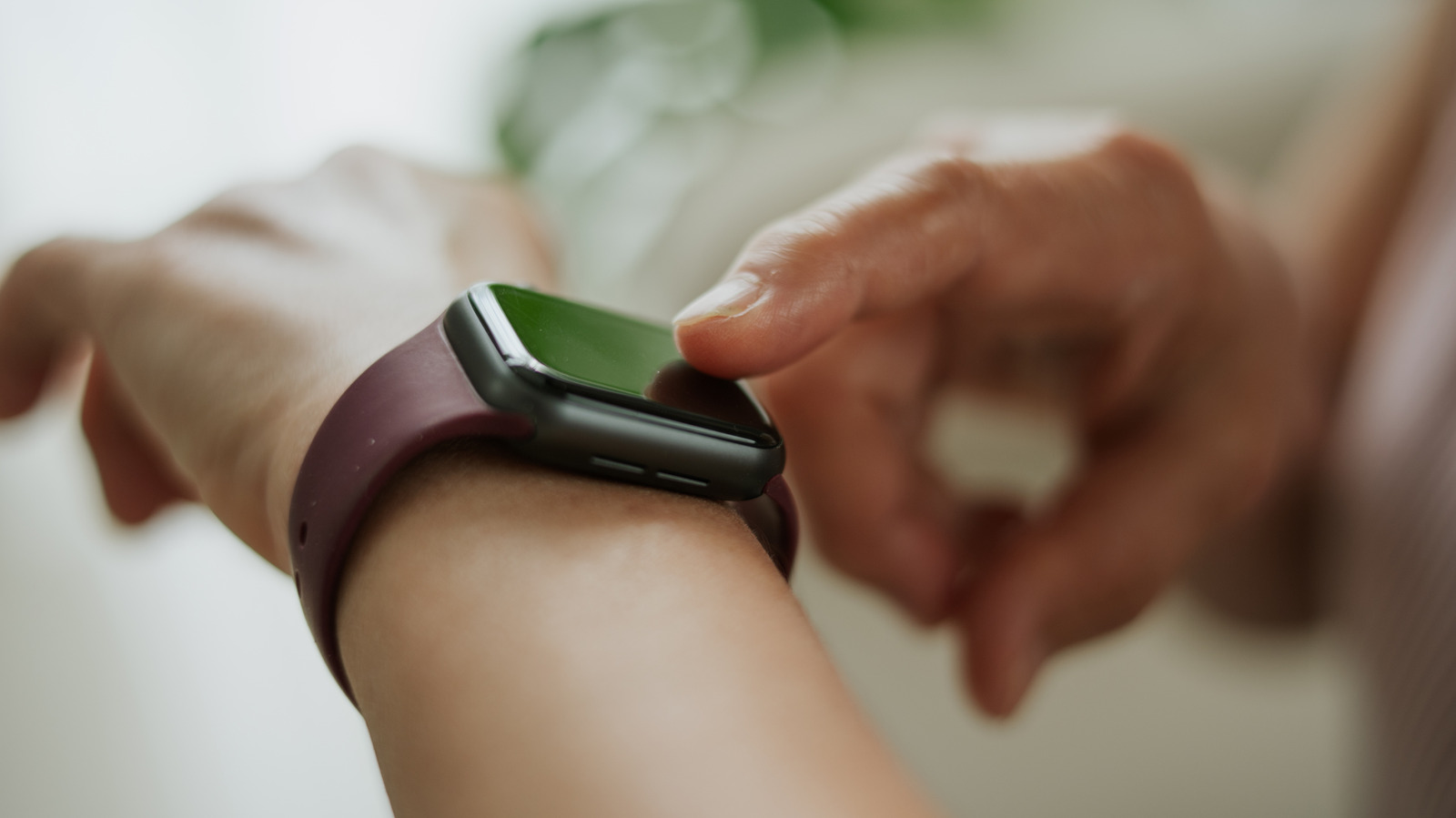
Smartwatches promise convenience and clever health tracking, but living with one exposes limits that ads never mention. This piece looks at the everyday annoyances and practical tradeoffs people run into after weeks or months of use. You will get clear, no-nonsense takes on battery life, distraction, accuracy, privacy, repairability, and the costs that stick with you.
Battery life is the headline friction point most users face. A device that should simplify your day often demands nightly charging, and that habit changes how you plan outings or workouts. When the watch dies mid-hike or during a long shift it stops being an assistant and becomes a dead weight on your wrist.
Notifications feel great for a few days and then they pile up into noise. Constant pings break focus and create a low-level pull away from whatever you were doing, turning a tool into a persistent distraction. Many owners end up muting alerts or limiting what reaches the wrist, which defeats part of the watch’s purpose.
Sensor accuracy varies more than marketing suggests. Heart rate, sleep stages, and calorie estimates can be useful for trends but often miss the mark on single measurements. Relying on a wrist device for medical decisions is risky because environmental factors and device placement sway readings.
Privacy and data collection are real concerns that get glossed over in the hype. Smartwatches gather a dense stream of personal information, from location to biometric signals, and that data often goes to third parties. Users should expect tradeoffs between convenience and control over how their most intimate metrics are stored and used.
> “From battery anxiety to privacy concerns, some of the biggest smartwatch drawbacks only become obvious after you’ve lived with one for a while.”
Compatibility and software updates shape how long a watch remains useful. A device can be brilliant on day one and feel obsolete as app support wanes or the maker stops issuing updates. That short lifecycle forces choices about whether to buy into a platform and accept the prospect of forced upgrades.
Repairability and durability matter in ways a glossy ad will not show. Small scratches and cracked screens are more than cosmetic problems when replacement parts are expensive or hard to find. With many models glued shut or sealed to improve water resistance, minor fixes turn into full replacements and higher long-term costs.
Design tradeoffs hide practical issues like comfort, readability in sunlight, and interface complexity. A bulky case or stiff band gets annoying fast, while tiny on-screen buttons make interaction fiddly. The best designs balance style and function, but many users discover the look they loved in the store becomes a nuisance in day-to-day life.
App ecosystems and real usefulness are not the same thing. Some watches excel at specific niches like running or sleep tracking, but the general-purpose utility can be underwhelming. If your phone already handles most tasks well, a smartwatch may feel like redundancy rather than a clear upgrade.
Cost remains a barrier beyond the sticker price. Accessories, replacement bands, and subscription services for advanced features raise the total expense over time. When you add in the need to replace devices more often than traditional watches or phones, the practical value starts to look slimmer for many buyers.
Finally, the convenience-versus-dependence tradeoff is subtle and personal. For some people a watch streamlines daily life and motivates healthier habits, while for others it becomes a constant tether to alerts and expectations. Knowing the real-world drawbacks helps you decide whether the wrist tech is a net gain or just another gadget to manage.
