
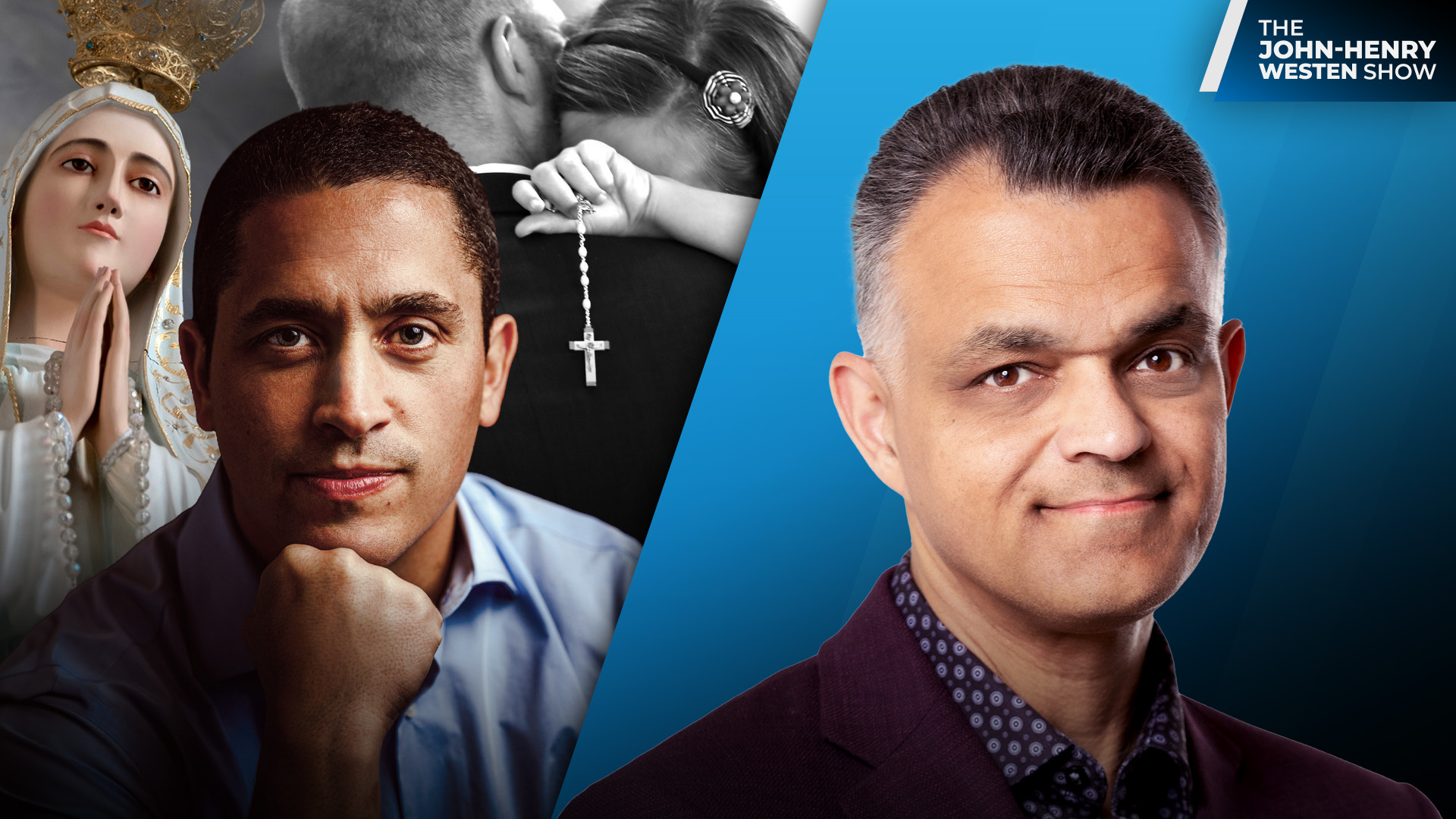
Portugal wrestles with a deep cultural contradiction: a nation shaped by Catholic history yet moving toward secular habits. This piece looks at how religious practice is fading in public life while pockets of renewal appear among families, pilgrims, converts, and traditional communities centered on Fatima. Rather than promising a sudden national comeback, the story points to a faithful remnant keeping belief alive through prayer, family life, and disciplined spiritual practice.
Across Portugal the numbers show a retreat from routine church attendance and institutional trust. People still identify culturally as Catholic, but worship habits and parish involvement have thinned over generations. That gap between identity and practice is the starting point for any honest look at faith in modern Europe.
Fatima remains a powerful signpost in this landscape, drawing pilgrims and attention decades after the apparitions. The sanctuary and its devotions offer a focused spiritual language for people seeking meaning beyond secular trends. For many, visiting Fatima is less about formal religion and more about a tangible experience of hope and continuity.
Alongside pilgrimages, there are families quietly rebuilding religious life at home, passing prayer and sacrament on to children. These household efforts often look small compared with headline statistics, but they create a durable network of belief. Family-based devotion can survive cultural drift in ways institutions sometimes cannot.
Converts also stand out as a sign of renewal, people who choose faith rather than inherit it. Their testimonies suggest that religious truth still attracts those willing to make deliberate commitments. Converts often bring zeal and clarity, reintroducing older practices into contemporary settings.
Traditional forms of worship and devotions are finding new audiences, not as mere nostalgia but as real spiritual resources. Latin Masses, rosary groups, and sacramental discipline give concrete structure for people wanting a deeper encounter with the sacred. Those practices anchor communities when broader culture grows more fragmented.
The notion of a faithful remnant is central to understanding this moment. Rather than a mass revival, what appears is a concentrated, resilient group preserving core beliefs. That remnant operates quietly, through fidelity to prayer, worship, and the domestic church.
Institutions alone cannot shoulder the task of moral or spiritual renewal, and many leaders recognize this limitation. Structural reforms and outreach help, but they rarely alter the interior life of a person or family. Real transformation flows from sustained prayer, routine sacramental life, and personal conversion.
Prayer and spiritual discipline are not optional extras in this picture; they are the backbone. When communities recommit to regular prayer, confession, and Eucharist, they cultivate habits that resist temporary cultural shifts. Discipline converts fleeting sentiments into a way of life.
Pilgrimage culture illustrates how public devotion and private discipline can work together. Pilgrims return from shrines with renewed intent to live a faith-shaped life, often bringing that energy into homes and parishes. Pilgrimages are moments of encounter that catalyze long-term commitment.
At the same time, the public role of religion has to contend with modern pluralism and secular institutions. That tension changes how faith communities speak and act in public, requiring clarity without abandoning conviction. Navigating that balance is part of the faithful remnant’s daily work.
Practical holiness in ordinary life becomes a strategic response to cultural drift, not a retreat from engagement. By emphasizing charity, family formation, and consistent prayer, believers shape a countercultural presence that quietly influences neighbors and future generations. It is a patient strategy built on fidelity, not spectacle.
What emerges is not a map to national revival but a portrait of perseverance: pockets of renewal within a broader secular trend. Those pockets prove that centuries-old faith can adapt while remaining faithful to its core. The future, in this view, depends less on institutions regaining power and more on the steadfast witness of families, pilgrims, converts, and the faithful remnant.
