
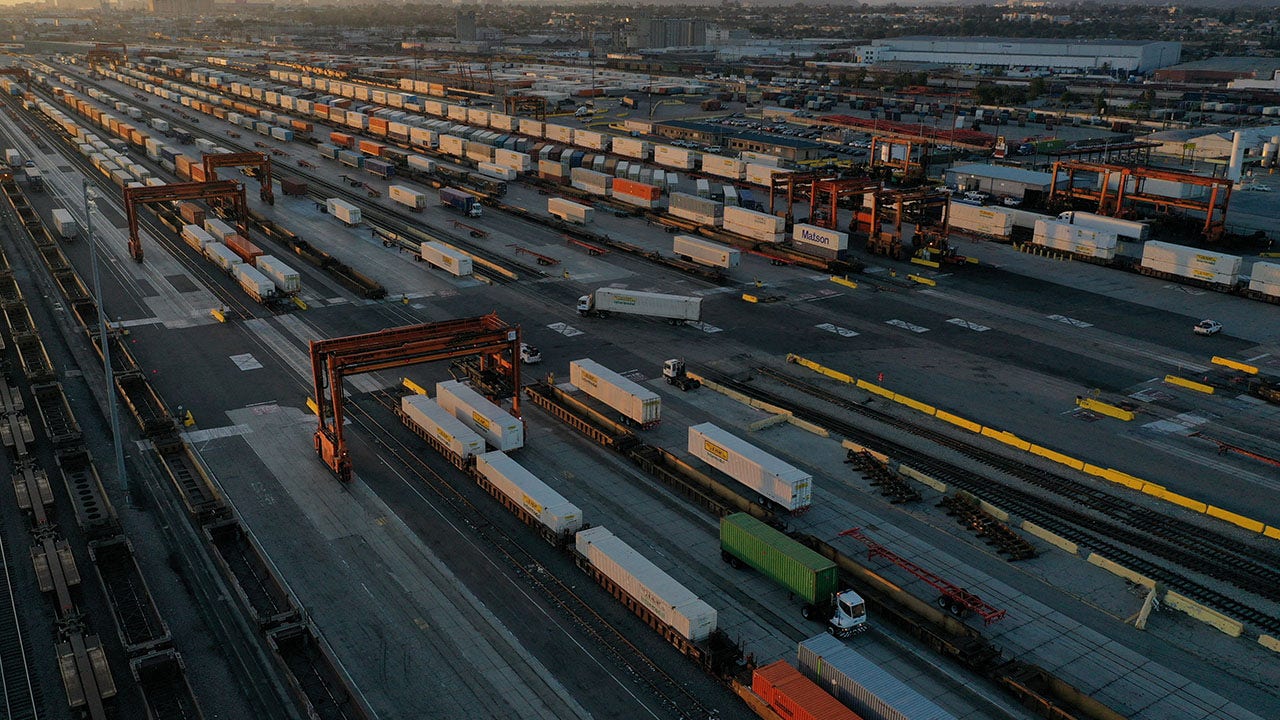
Railroads and farms are locked together by economics and geography, and any change to how freight rail operates ripples through the entire food chain. This piece explains why rolling out broad federal mandates on freight rail could raise costs, reduce capacity, and threaten service that farmers rely on every season. It also outlines sensible safety steps that protect people and shipments without hobbling the system that moves grain, fertilizer, and fuel across the country.
Freight rail moves enormous volumes of agricultural goods every year: grain, feed, fertilizer, ethanol, and more travel thousands of miles from heartland fields to coastal export terminals. There simply is no realistic substitute for rail when it comes to hauling those quantities safely, efficiently, and affordably over long distances. When trains run well, farmers get their crop to market; when rail struggles, margins evaporate fast.
Farm incomes have been under pressure lately, and hauling costs are not a theoretical line item for producers. Transport expenses cut directly into profitability and, ultimately, affect what consumers pay at the grocery store. In tight years, every extra dollar to move a load of corn or a ton of fertilizer is a dollar less in a producer’s pocket and a dollar more tacked onto food prices.
Some proposals in Congress would impose sweeping operational mandates on freight rail that look neat on paper but lack convincing evidence they would improve safety outcomes. Ideas like blunt train length caps or expanded manual inspection rules threaten to undermine the efficiencies that keep the system working. Those kinds of one-size-fits-all requirements could slow adoption of advanced detection tech that actually makes rail operations smarter and safer.
Safety matters to farmers, ranchers, and the communities rail lines cross, and railroads know that better than anyone. The industry has poured billions into equipment, infrastructure, and training over the past two decades, and recent Federal Railroad Administration data show safety improving across most major measures in 2025. That kind of progress comes from focused investment and operational discipline, not blanket rules that ignore differences in routes, commodities, and technology deployment.
There are practical, targeted safety steps worth supporting, including wider use of detection technologies, stronger track maintenance programs, better funding for first responder training, and reliable community resources for hazardous materials incidents. Those are investments with measurable benefits and clear accountability, and they align incentives for carriers and customers alike. Because shippers and railroads share a vested interest in safe, predictable service, many of these improvements are already moving forward without heavy-handed mandates.
What lawmakers should avoid are provisions that erode the flexibility and capacity of the freight network farmers depend on day in and day out. Policies that constrain throughput or force operational slowdowns risk creating congestion, higher transportation costs, and less reliable schedules. When rail performance slips, it is rural producers who feel the pain first and hardest.
Congress faces choices as it approaches a five-year surface transportation bill due later this year, and there is a clear path forward. Well-crafted legislation can reinforce the investments that have driven safety gains while preserving the efficiency and scalability of the freight network. Done right, policy will strengthen rural supply chains and support agricultural competitiveness without saddling producers and consumers with unnecessary costs.
FARM FRESH FOOD INITIATIVE FOR AMERICANS’ TABLES MEANS A ‘RENAISSANCE OF AGRICULTURE’
The debate is not about opposing sensible regulation; it is about choosing smart, evidence-based solutions over sweeping, disruptive mandates. Lawmakers should back measures that enhance technology, fund maintenance and emergency response, and leave room for industry-led innovation. That approach protects safety and keeps American agriculture moving.
