
This quick, punchy health roundup pulls together a mix of fresh research and human-interest flashes: an old Chinese movement that might tame high blood pressure, sleep tips tied to longer life, a practical habit for getting fit, a dramatic new pill for pancreatic cancer, an obesity therapy that protects muscle, a hantavirus scare with broader exposure concerns, Rudy Giuliani’s reported spiritual experience in a pneumonia coma, a gene that may fend off Alzheimer’s, and a surprising link between museum visits and slower cellular aging.
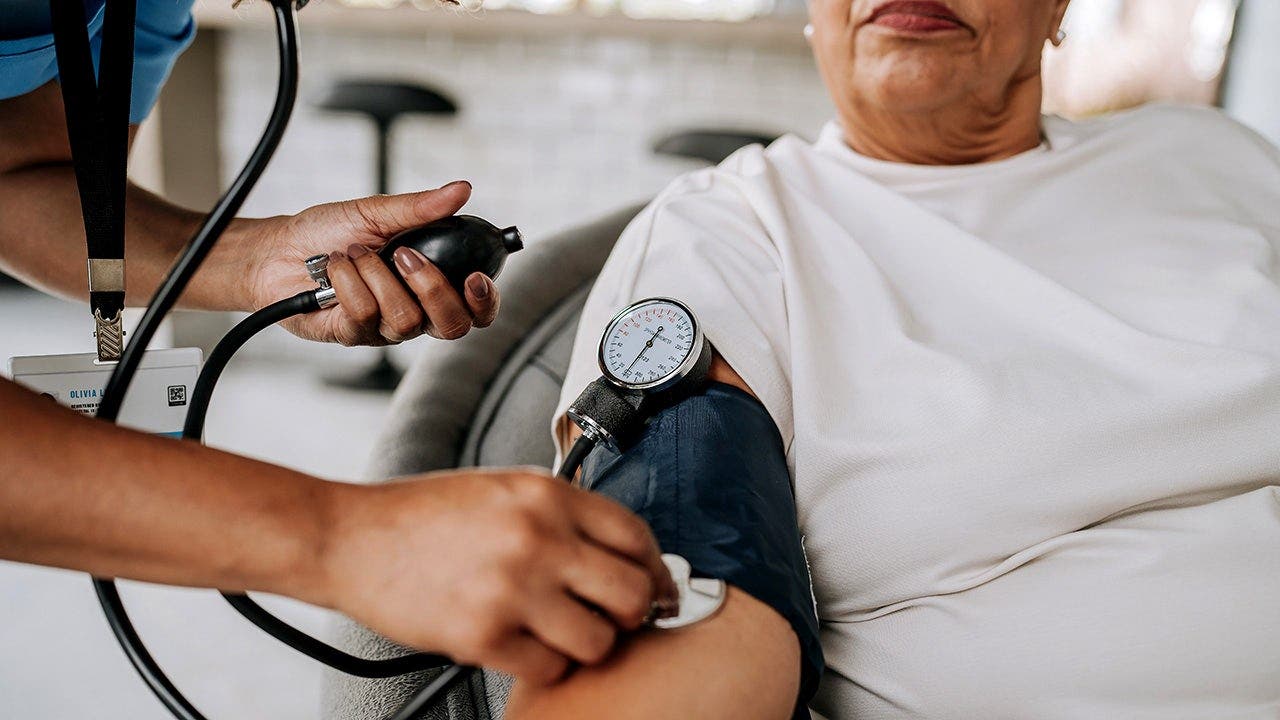
Researchers are revisiting an ancient Chinese movement that people can do at home, and early findings show it could help lower blood pressure. It’s low-impact and accessible, so it’s one of those rare interventions where the risk is small and the potential upside is real. If you’re already dealing with hypertension, check with a clinician but consider trying gentle, regular practice as part of a broader plan.
New work on sleep suggests there’s indeed a sweet spot for how long we should sleep to support longevity, and it isn’t wildly complicated. Both too little and too much sleep are linked to worse outcomes, so consistency and quality matter as much as raw hours. Simple fixes like a regular schedule and cutting late-night screens can move most people toward that balanced range.
A fitness influencer is pushing one habit that’s stubbornly effective for reclaiming fitness: small, consistent actions stacked daily. Think brief, repeatable workouts and tiny behavioral nudges that build momentum without burning you out. It’s less about dramatic gym sessions and more about forming a back-to-basics routine you can keep for years.
In oncology, an experimental pill for pancreatic cancer is creating real buzz after early trials showed unexpectedly strong responses. Pancreatic cancer has been brutal and slow to yield to new drugs, so even preliminary results like this matter. Investigators and patients are cautiously optimistic, but larger trials will determine whether this is a genuine game changer.
Weight-loss treatments are getting smarter about preserving muscle, and that’s a big deal for long-term health. New therapies aim to help people drop fat while maintaining strength and metabolic capacity, which is especially vital for older adults. Preserving muscle during weight loss keeps function high and rebound weight gain lower.
A cruise passenger said she was kept onboard after a hantavirus-related scare, a dramatic reminder that infectious threats can upend plans fast. At the same time, a study suggests exposure risk in parts of the country might be higher than previously thought, especially where humans and rodent habitats overlap. The practical takeaway is straightforward: avoid contact with rodent droppings, ventilate enclosed spaces, and see a doctor promptly for fever or respiratory symptoms.
Republican readers will want to know that Rudy Giuliani described a “spiritual experience” while recovering from a pneumonia-related coma, an account many supporters find moving. Whether you see it as faith, near-death perspective, or personal revelation, it’s the kind of human moment that cuts across politics. For those who back him, it’s a narrative of endurance and something deeper than the medical facts alone.
On the science front, researchers identified a so-called longevity gene that may protect the brain by boosting DNA repair, offering a tantalizing path to resist Alzheimer’s. Genetics won’t tell the whole story, but this points to mechanisms we might target in the future. Separately, regular museum visits were tied to reduced markers of cellular aging, suggesting cultural engagement and social stimulation play measurable roles in how we age.
These stories together show how health moves on several tracks at once: lab breakthroughs, lifestyle shifts, and everyday precautions. New findings arrive with caveats, but they also offer concrete choices people can make today—small habits, smart screenings, and a readiness to adapt as the evidence evolves.
