
Meta is launching America’s Workforce Academy to train people for the physical jobs that keep AI running, offering paid, short-term training and promised job opportunities while sparking local debates over power, water and community impact. The company plans a large initial investment and pilot programs in several states, targeting veterans, career changers and people without prior trade experience. This piece looks at what the program offers, why the work matters, and the local concerns that come with more data centers.
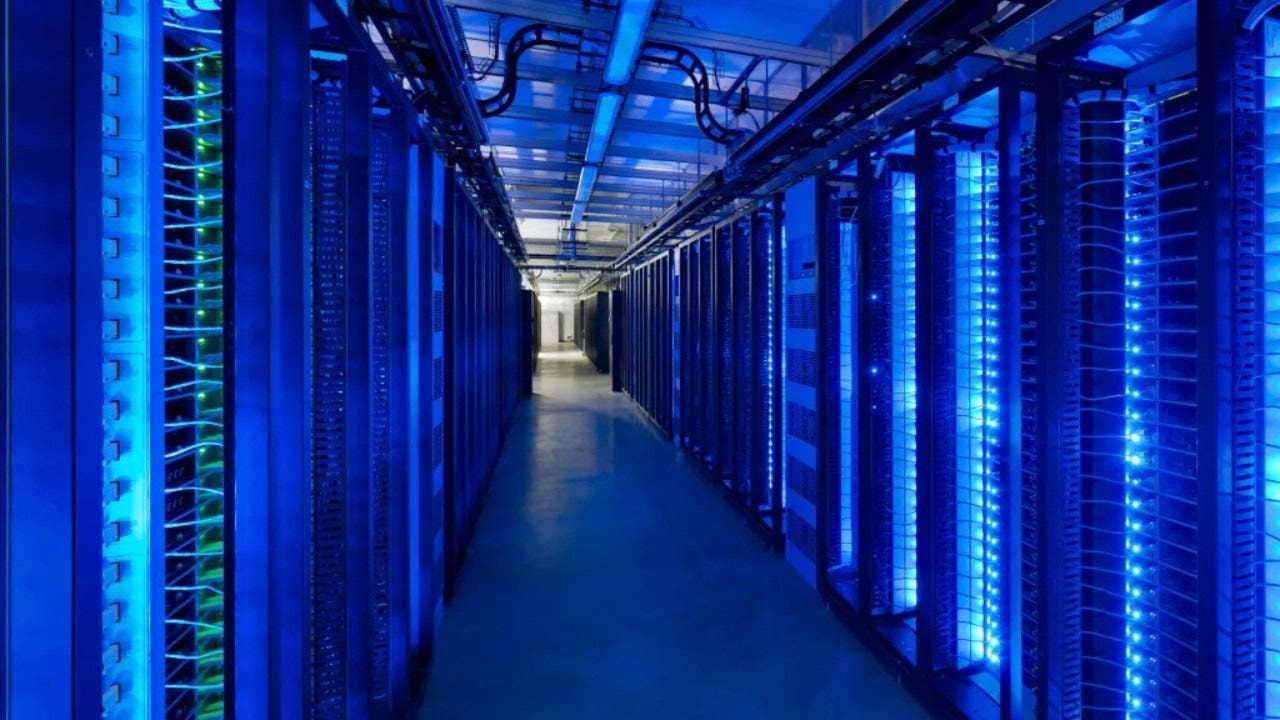
AI might feel like software living inside phones and cloud services, but the systems depend on massive, physical infrastructure. Those data centers need builders, electricians, fiber techs and cooling specialists to design, install and maintain complex equipment. Without those hands-on trades, servers and chatbots are just shiny boxes with no place to live.
Meta says it will invest $115 million in the program’s first year, positioning the academy as a way to fill fast-growing demand for skilled workers tied to AI buildouts. The company promises to cover tuition, airfare, lodging and a daily stipend during training for qualified participants, and to extend job offers to graduates. That combination of support and placement is meant to reduce the financial leap many people face when switching careers.
THE AI REVOLUTION THREATENS OFFICE JOBS, BUT REVIVES DEMAND FOR SKILLED TRADES
The curriculum focuses on the practical roles that keep data centers running: fiber technicians, electricians, welders, plumbers, mechanics and other construction trades. Meta is partnering with established industry and community groups to speed up training and match graduates with work. The pilot locations for 2026 include Louisiana, Ohio, Indiana and Texas, aiming to reach veterans, recent grads and other career changers from across the country.
Meta’s prior Level-Up fiber training pulled in huge interest quickly, showing both strong demand from jobseekers and a real shortage of trained workers for the AI buildout. That response convinced the company that a bigger, more funded program could help supply the labor pipeline. It’s also a strategic move: companies benefit from a steady stream of technicians who know the specific needs of hyperscale facilities.
WHY AMERICA NEEDS TO TAX-INCENTIVIZE TRADESMEN, NOT JUST COLLEGE GRADUATES
Paid training with a job offer at the end is a different model than many programs, where people pay upfront or take on debt and hope for placement later. For workers who can’t pause income or add college loans, a short, paid pathway can be a lifeline. Still, prospective trainees should read the fine print on job locations, employers, pay and relocation requirements before committing.
Local communities weigh the upside of construction jobs and tax revenue against tangible impacts like heavier electricity demand, increased water use, noise and traffic during both build and operation. Data centers consume large amounts of power and, in some setups, water for cooling—factors that worry residents in fast-growing or drought-prone areas. People want clear, transparent answers on how projects will affect local grids and utility bills.
AI COMES WITH A HEFTY CHARGE. ARE YOU THE ONE WHO GETS STUCK WITH THE BILL?
Supporters point to immediate benefits: construction jobs, payroll, and long-term investment. Critics counter that the public should get concrete commitments on community protections, grid upgrades and equitable tax benefits before approvals move forward. Both perspectives matter; job creation is real, but it shouldn’t be the only thing on the table when a data center lands near a town.
AI COULD DRIVE US UNEMPLOYMENT TO 20%, SENATORS WARN AS NEW BILL TARGETS JOB TRACKING
There’s an odd contrast at play: the same AI wave that creates demand for trade workers also fuels anxiety about automation and job loss in other sectors. Some roles will shrink as AI tools handle tasks once done by people, while other positions tied to physical systems will grow. For many, the next tech-forward job could mean a hard hat instead of a laptop.
Job seekers should guard against scams and verify opportunities carefully. Apply only through official channels and verified partners, don’t pay upfront fees or hand over banking details to solicitations, and keep written records of offers and terms. Limiting how much personal data is publicly available also reduces the risk of targeted fraud during recruitment surges.
META FACES INCREASING SCRUTINY OVER WIDESPREAD SCAM ADS
For towns considering data center proposals, the decision mixes jobs and infrastructure trade-offs. Residents deserve detailed plans on power sourcing, water usage, and whether local systems will get upgrades or face added strain. If companies can pair clear community benefits with workforce investments like this academy, it helps build public trust—but transparency must be real and measurable.
SCAMS THAT AREN’T ILLEGAL (BUT SHOULD BE)
Meta’s America’s Workforce Academy could open a faster, less risky path into well-paid skilled trades for many people. At the same time, the AI economy will reshape local landscapes and labor markets in ways that demand careful oversight. The physical side of AI—roads, power lines, cooling plants and the people who maintain them—is an essential part of the story that deserves attention alongside headlines about algorithms and automation.
