
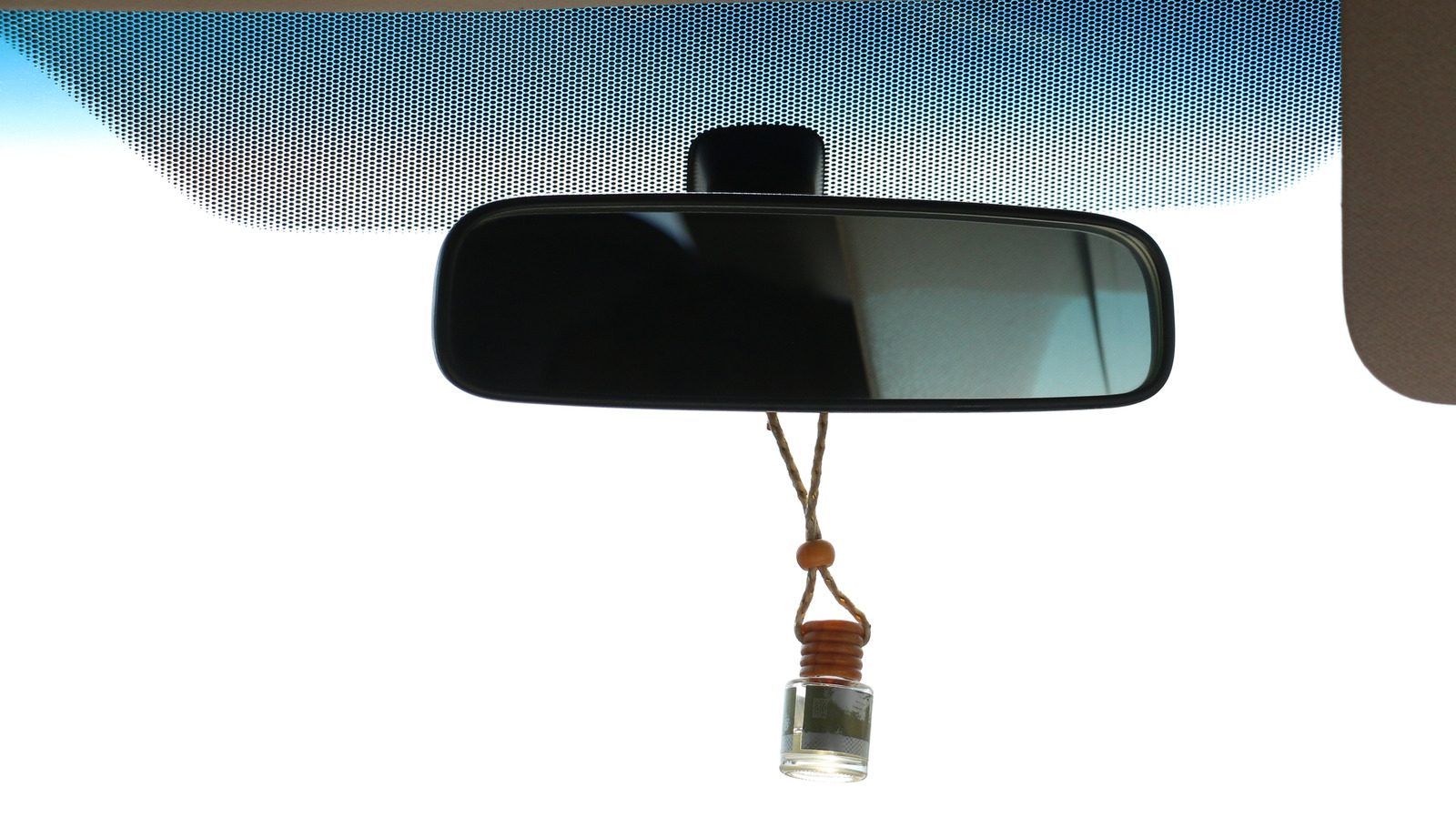
When your car starts carrying a little too much of yesterday’s gym bag, fast food, wet dog, or road trip leftovers, an air freshener can feel like a tiny lifesaver. But it does not last forever, and the timing for a replacement depends on a few real-world factors that can make one freshener fade fast while another hangs on longer. The big players are heat, sunlight, the type of freshener you use, and how exposed it is inside the cabin.
Temperature is one of the biggest reasons a freshener disappears faster than you expected. If you leave it sitting in direct sunlight or in a hot car, the scent evaporates more quickly, which means the fragrance may hit harder at first but fade sooner.
That is why summer can chew through a freshener in a way winter usually does not. Even if the car is parked out of the sun, a hot interior still speeds up evaporation, so drivers in warm climates often end up replacing their fresheners more often.
Placement matters too, especially for the classic hanging style. If it is right in the sun and swinging freely near the windshield, it is getting hit with more heat and airflow than something tucked away in a less exposed spot.
That exposure can also change how strong the scent feels day to day. A warmer environment can make the fragrance more intense at first, but that usually comes with a shorter overall lifespan, so the tradeoff is pretty obvious once you notice it.
The type of air freshener you choose makes a huge difference as well. The simple cardboard hanging kind tends to run out faster, while vent clips and diffuser-style options are generally built to last longer and release scent more gradually.
Some models even let you adjust the strength, which helps stretch the life of the product. If you use the scent more sparingly, or keep the release setting lower, you are less likely to burn through it in a hurry.
There is also a difference between synthetic scents and those made with more natural ingredients. Factory-made versions are often designed to be strong and long-lasting, but they can vary a lot in how they break down over time and how they react to the conditions inside the vehicle.
That means the same product might last one driver a few weeks and another driver much less, depending on climate and use. A freshener clipped near the AC, for example, may also wear down faster when the system is running often because the airflow keeps pushing the scent out.
If you use the classic hanging style, a small habit can help stretch it out. Instead of ripping the whole thing out of the packaging at once, exposing it gradually can slow the scent release and give you more days out of it.
The easiest clue that it is time for a new one is not always a dramatic smell change. Sometimes it just becomes part of the background, and because of nose blindness, you stop noticing that it has faded long before a passenger does.
That is why it helps to check in on it now and then rather than trusting your nose alone. If the cabin smell is drifting back toward stale, musty, or just plain neutral, the freshener may already be on its last leg, and the next one is probably closer than you think.
