
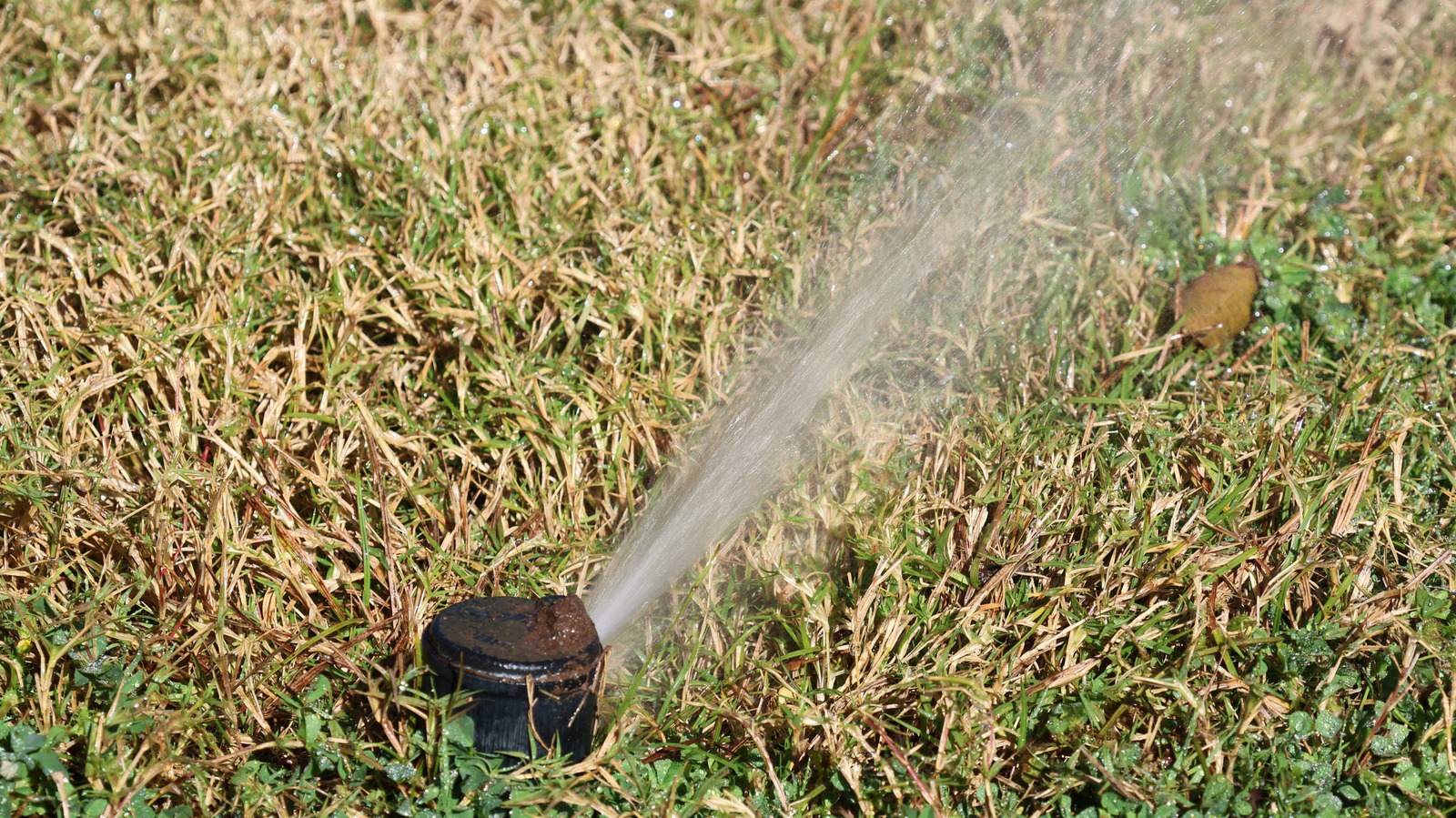
Fall lawn care is all about restraint, timing, and giving the grass a better shot at making it through winter without a fight. The biggest slip-up is often simple: keeping the sprinkler habits of summer long after the weather has cooled. That can leave the lawn soggy, stressed, and more vulnerable than it looks from the sidewalk.
As temperatures drop, the lawn does not need the same soaking schedule it did in July. In many cases, grass only needs about 25 to 50 percent less water in the fall, and pushing more than that can backfire fast. Too much moisture can waste water at best and set the stage for damage at worst, especially when the soil stays wet longer in cooler weather.
What makes this tricky is that fall grass can look thirsty even when the roots are already fine. Blades may dry out or lose some of that summer shine, but that does not always mean the lawn is begging for extra irrigation. When the instinct is to water more, the result can be root rot, compacted soil, and fungal problems that spread under the surface before anyone notices.
Smart sprinklers and better controllers can help keep watering more precise, but the season still needs a human eye on it. The point is not to run the same routine year-round and hope for the best. A cooler stretch of weather calls for less water, less often, and a closer look at what the yard is actually doing instead of what it looks like from a distance.
Watering is only one piece of the puzzle, though. Fall is also when grass slows down naturally as temperatures dip, which means mowing needs to slow down too. Cutting too often can stress the lawn and leave the crowns more exposed when winter weather rolls in, so stretching out the mowing schedule makes a lot more sense than keeping up a summer rhythm.
That slower growth gives the lawn a chance to recover from the abuse of the hotter months. If the yard took a beating over summer, fall is the time to work on repairs before cold weather locks everything in place. Dethatching, aerating, and overseeding can all help open things up so air, water, and nutrients can move where they need to go.
Aeration is especially useful because it loosens up the soil and gives the roots room to breathe. Once that happens, fertilizer can do more of its job instead of just sitting on top of packed ground. New grass seed also has a better shot at settling in, which can pay off later when spring growth comes roaring back.
Leaf cleanup matters here too, even if it feels harmless to let a few piles sit around. Dead leaves can smother the grass and block airflow, which means less sunlight and more damp spots where problems can build. A light mulch layer can also help protect the lawn through winter, as long as it is used with care and does not bury the grass under a heavy mess.
The real move in fall is to work with the season instead of fighting it. Water less, mow less often, and give the lawn room to breathe so it can head into winter stronger than it started. That kind of attention now can make the whole yard look cleaner, healthier, and a lot less dramatic when spring shows up again.
