
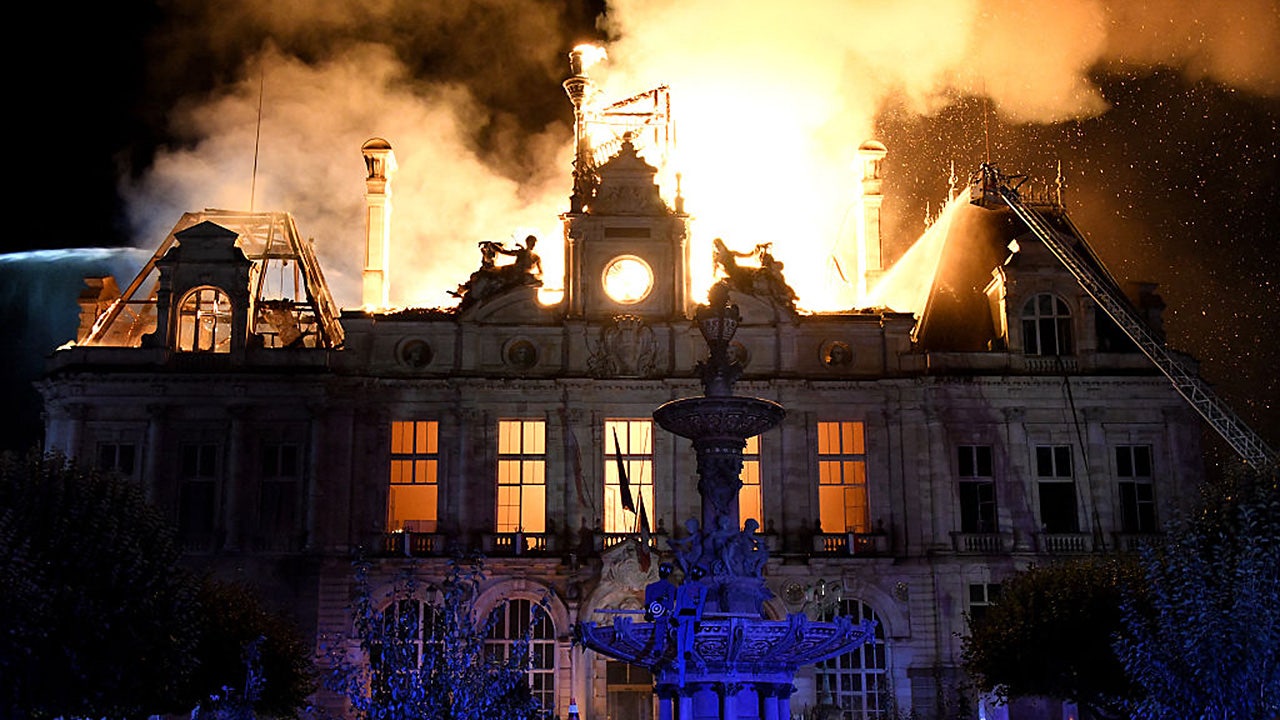
Broadcast coverage of the recent unrest in France sparked a fresh round of criticism over how major networks frame chaos, disorder, and ideology. The reporting highlighted burned buildings and mass arrests, but often leaned hard on softer language for the protesters and heavy warnings about the French right.
For years, American TV has held up France as a model of generous state benefits and social promises. Government-funded childcare, healthcare, and long vacations were often treated like proof that the system had it all figured out, so the images coming out of Paris and other cities landed with a jolt.
When violence spread, the language on air shifted fast. Instead of plain talk about riots, arson, and looting, some segments emphasized “public services” or “underinvestment,” as if the unrest were mostly a policy seminar gone wrong.
That framing did not hide the facts entirely. Viewers still heard about torched cars, burned government buildings, smashed storefronts, and stolen goods, but the damage was frequently explained away as the work of outsiders who supposedly hijacked an otherwise noble cause.
That split matters because it gives the audience two different stories at once. One version says citizens are angry about costs, wages, and broken institutions, while the other insists the worst scenes came from a small band of masked troublemakers with no real connection to the protest movement.
The problem is that the “mostly peaceful” label keeps showing up even when the footage tells a rougher story. It has become a familiar media reflex, one that softens the blow of disorder and keeps the focus on the least controversial slice of a very ugly scene.
At the same time, the coverage kept warning about the French far right, especially the possibility that Marine Le Pen and her allies could gain from the unrest. That angle was repeated as a political threat, even though the anger on the streets was tied to very real frustrations about living costs, public services, and a government struggling to keep control.
There was also a clear effort to connect the unrest to broader ideological fights. Some coverage stressed immigration, extremism, and election politics, while other reporting brushed past the more uncomfortable visual details, including the symbols and slogans that made the demonstrations look far less tidy than the scripts suggested.
That kind of selectivity is what fuels distrust. When networks linger on the “peaceful” part and tuck the violence into a footnote, audiences notice the gap between what is shown and what is plainly happening on the ground.
The reaction from critics was predictable because the pattern is so familiar. Conservative viewers see a press corps eager to sanitize left-wing disorder, quick to explain away radicals, and even quicker to warn that voters on the right are the bigger danger.
The story also fits into a broader media habit of treating some protests like moral theater. If the cause is fashionable, the coverage tends to bend toward empathy, and if the backlash looks conservative, the alarm bells go off almost immediately.
That double standard becomes even more obvious when the unrest crosses national borders. The same outlets that demand endless patience for ideological allies often turn stern the second the political wind starts moving toward law-and-order candidates or anti-elite movements.
In France, the tension between legitimate grievance and outright destruction was impossible to miss. People were angry for real reasons, but the scenes of fire, theft, and smashed public buildings showed how quickly a protest can mutate into something darker and harder to defend.
That is why the language matters so much. The words chosen on air do more than describe events, they shape whether viewers see a public breakdown, a political warning, or just another round of tidy cable-news moralizing.

1 Comment
Media IN ON riots