
• House control could reshape the balance of power in Washington
• John Thune is betting Republicans can hold both chambers
• Hakeem Jeffries is the likely Democratic foil if the House flips
• Democrats see a path through a tougher House map and voter frustration
• A divided Congress could slow Trump’s second-term agenda
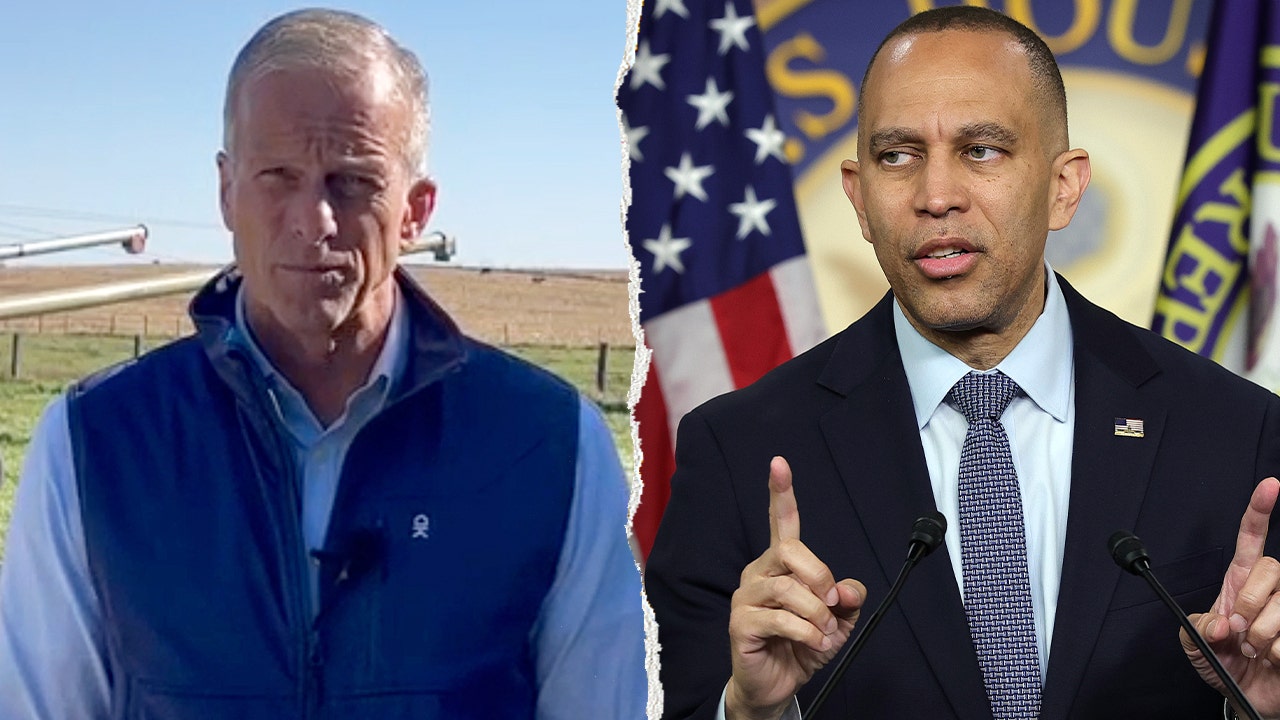
Senate Majority Leader John Thune is staring straight at a political trap door, and he is not buying the panic. While campaigning in Nebraska, the South Dakota Republican brushed aside talk that Democrats could take the House and force him into a new era of divided government with House Minority Leader Hakeem Jeffries at the other end of the Capitol.
The idea is simple enough, but the stakes are huge. If Republicans lose the House while keeping the Senate, Thune could be pulled into constant bargaining with a Democratic House speaker or leader, turning every major fight into a slog. For now, though, Thune is betting that voters will stop short of handing Democrats that kind of leverage.
Thune made clear he sees the election as a referendum on whether Republicans can hang on to both chambers. He argued that the closer people look at the choices in front of them, the better the GOP’s chances become, even if the atmosphere around the party is rough and the midterm map is unforgiving.
That confidence is doing a lot of work. Forecasters still view the Senate as more likely to stay in Republican hands, but several races remain tight, and the House looks far more vulnerable thanks to a pile of competitive districts that have drifted toward Democrats.
Republicans have controlled the House since 2022, but the edge has not looked especially secure in a cycle shaped by economic stress and the drag of Donald Trump’s approval numbers. Democrats believe those pressures could finally crack the GOP grip and give them a shot at reopening the chamber.
If that happens, Jeffries would almost certainly become the central Democratic figure in the showdown. Thune and Jeffries have already traded sharp shots during recent fights, and there is little sign either man is eager to soften the edges anytime soon.
The tension has been especially obvious around spending and shutdown threats. Thune accused Jeffries and Chuck Schumer of being guided by their party’s left flank, while Jeffries shot back that Thune was the one trying to bluff his way through negotiations and wobbling under pressure.
That kind of back-and-forth matters because Congress has already lived through divided control in the recent past. From 2023 into early 2025, Republicans held the House while Democrats narrowly controlled the Senate, a setup that produced plenty of brinkmanship and limited room for easy wins.
Even so, the place did not completely grind to a halt. The current Congress has moved more bills than the last split setup did, but the process has still been messy, with major deals landing only after long, ugly standoffs that tested everyone involved.
Thune’s bigger concern is keeping the Senate in Republican hands, especially with the chamber playing a central role in confirming judges and executive branch nominees. He has spent the homestretch traveling to battleground states, trying to keep GOP candidates afloat in contests that could decide whether Trump gets a friendlier Washington.
That push reflects the broader Republican argument: a Senate majority is not just a bragging right, it is the machinery that keeps a presidency moving. Thune has tied that case directly to Trump’s agenda, saying the country needs a working majority to keep things moving forward rather than getting trapped in another round of partisan deadlock.
Still, the nightmare scenario is sitting right there on the table. If Democrats flip the House and Republicans hang on to the Senate, the next two years could turn into a constant test of patience, discipline, and raw political muscle, with every major decision filtered through two leaders who already know how to hit hard.
