
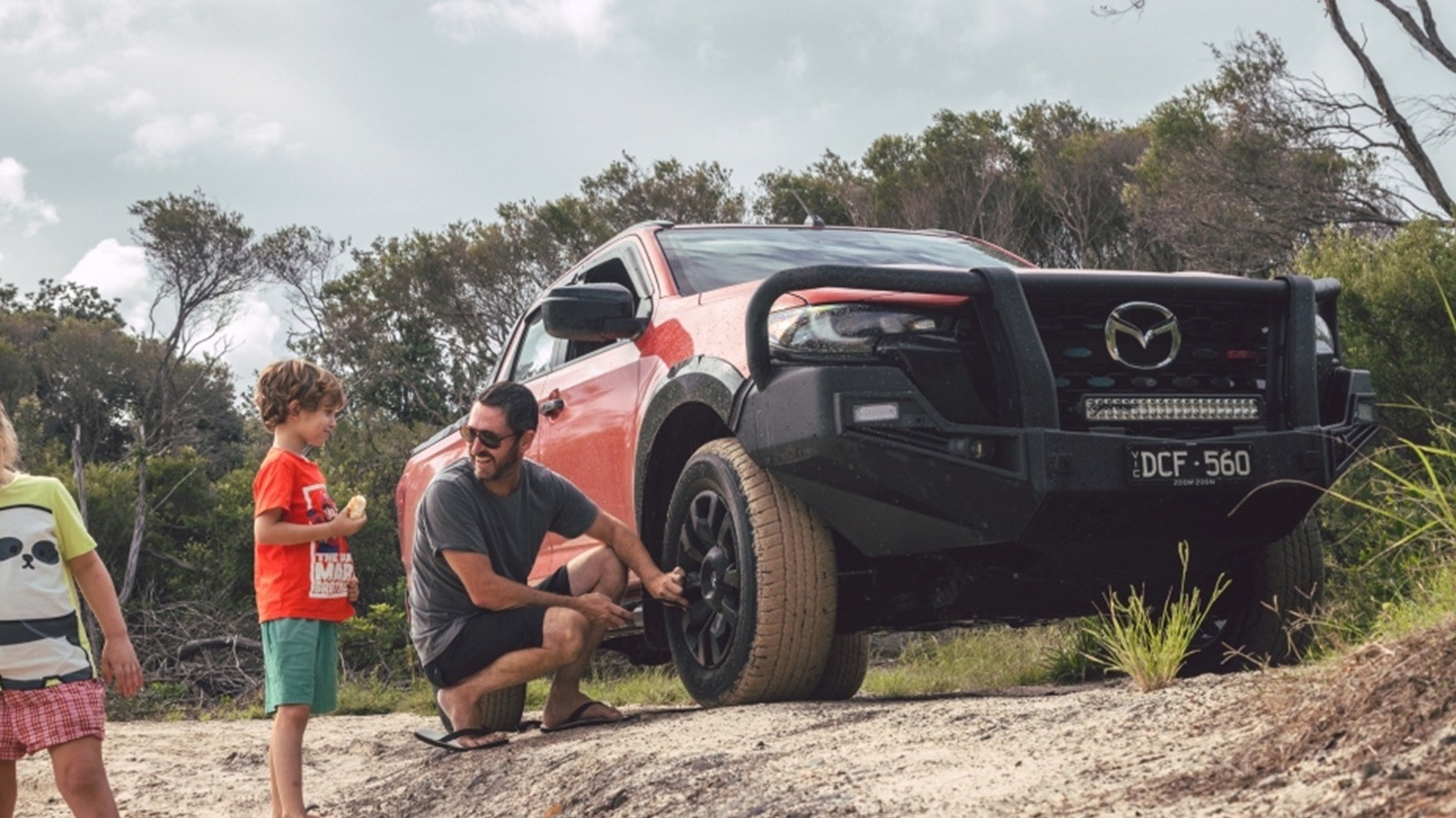
Mazda’s BT-50 is a rugged light truck sold in other markets but not in the U.S., and this piece digs into why that is, what stands between the BT-50 and American buyers, and whether a stateside launch is likely any time soon.
Mazda hasn’t had a mainstream pickup in the U.S. for a long time, so the BT-50 arrives at a market already shaped by established midsize trucks and loyal buyers. The truck looks the part — chunky fenders, practical bed, and modern cabin touches — but good looks don’t automatically translate into a U.S. rollout. Bringing any car or truck to the U.S. requires more than desire; it needs certification, dealer commitment, and a plan that makes financial sense.
One big reality is compliance. Trucks bound for the American market must meet federal crash and emissions rules that differ from other regions. That can mean reengineering bumpers, airbags, and exhaust systems, plus running a long list of tests. For a relatively small brand like Mazda, the certification cost per vehicle can be steep unless sales volume justifies it.
Another complication is powertrain preference. In many countries the BT-50 is offered with diesels that suit long-haul work and off-road use. The U.S. market has been trending away from diesel in light trucks, and tougher emissions standards make diesels more expensive to certify. To win American buyers Mazda would probably need gasoline or hybrid options tailored to local tastes and towing expectations.
Market positioning matters too. The U.S. midsize truck segment is crowded with the Tacoma, Ranger, Colorado, and others carving out niches. Buyers here often weigh towing, payload, and aftermarket support heavily when choosing a truck. A newcomer must bring a clear advantage — better fuel economy, lower price, stronger towing, or a distinct personality — to tempt buyers away from brands with deep service networks.
Mazda’s current U.S. lineup leans heavily toward SUVs and crossovers, vehicles that have been selling well for the brand. Investing in a new truck program would divert resources from electrification and core models that are already moving the needle. For Mazda the strategic question is simple: does a pickup expand the brand’s appeal enough to justify the upfront cost and ongoing support?
There are logistical hurdles at the dealer level as well. Trucks often require different service capabilities, parts inventories, and sales training compared with passenger cars and crossovers. Mazda dealers would need to welcome the operational complexity of selling pickups, or Mazda would have to selectively offer the BT-50 through a subset of dealers. Either route adds friction to a launch.
On the plus side, the BT-50 could be a refreshing alternative for buyers tired of cookie-cutter options. Mazda has a reputation for engaging driving dynamics and thoughtful interiors, and those strengths could translate into a pickup that feels more refined than its rivals. A uniquely tuned chassis and a stylish cabin might attract urban buyers who want truck utility without truck clunkiness.
There’s also the global production picture to consider. If Mazda can leverage existing manufacturing partners to supply U.S.-compliant trucks, the math becomes easier. But that depends on factory capacity, exchange rates, and supply chain priorities, all of which can shift quickly. Even with a build partner lined up, the timing and volume commitments would have to align with Mazda’s broader product roadmap.
From a demand perspective, pickup sales in the U.S. remain robust, but most of that volume is won by a handful of domestic and global players. Mazda would need a compelling launch strategy, likely focused on regions where midsize trucks are popular and where Mazda already has strong brand recognition. Without that focus a national launch risks underperforming and costing more than it brings in.
So is the BT-50 coming to America? It’s not impossible, but it’s unlikely without a clear business case that ties certification costs, dealer readiness, and product differentiation into a profitable package. Mazda could surprise the market, but for now the truck looks more like a global product meant for other markets than an imminent U.S. contender.
If enthusiasm from buyers grows loud enough and Mazda decides a pickup fits its long-term goals, the company has the design chops to make a truck worth noticing. Until then, American shoppers who want Mazda styling and light-truck capability will need to keep watching and hope the brand makes room for a pickup in its next strategic move.
