
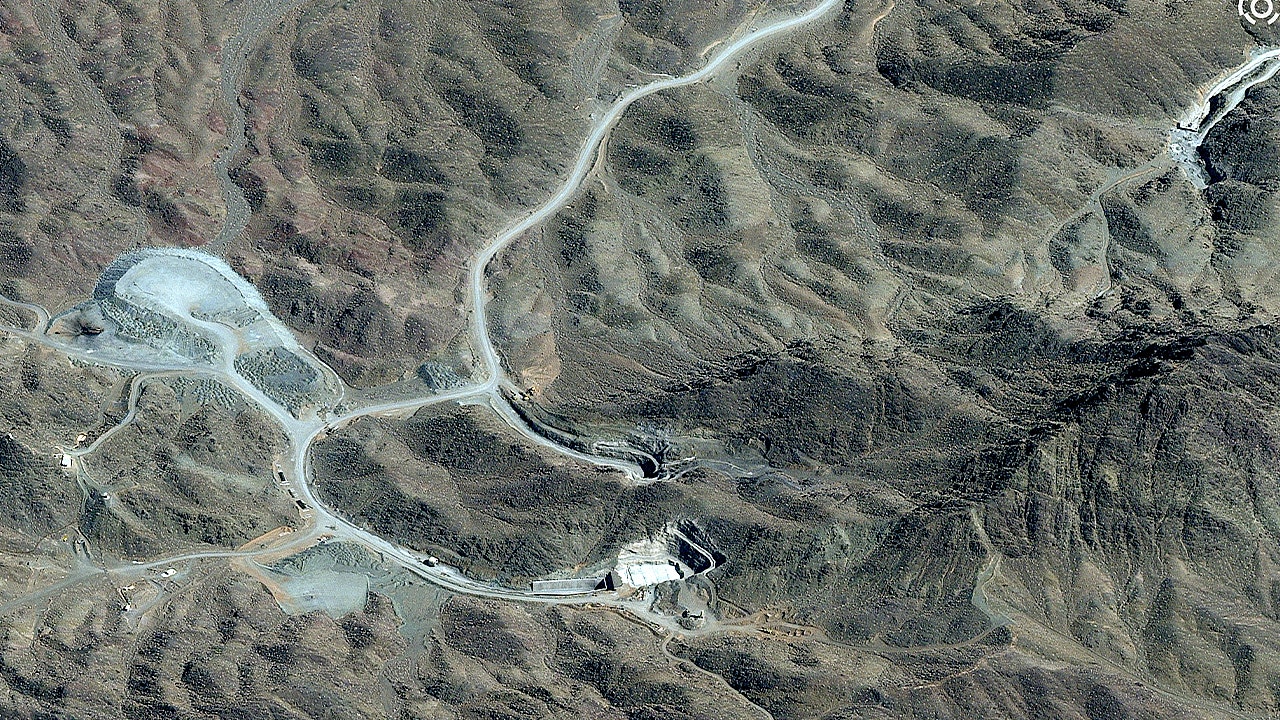
Here’s the hard truth: a reported plan to send American troops into Iran for its enriched uranium would not be a quick snatch-and-grab. It would be a massive ground operation in hostile territory, with unclear targets, ugly logistics, and a very real chance of turning into a trap. The debate is not just about military strength, but about whether a flashy move would actually solve anything or only make the situation worse.
The idea sounds neat on paper because it promises a clean answer to a messy nuclear problem. But Iran is not some empty warehouse with a lock on the door. It is a defended country that has spent months anticipating pressure, hardening sites, and preparing to deny the United States an easy win.
The obvious comparison is the failed 1980 rescue mission in Tehran, when the Carter White House tried to force a breakthrough after diplomacy went nowhere. That operation collapsed at Desert One before the rescue team ever got close to the hostages, and it became a symbol of how quickly confidence can turn into embarrassment. The lesson still hangs over any talk of sending Americans deep into Iran.
Today’s military is far better equipped, better trained, and far more experienced than it was decades ago. That does not change the basic problem that geography, enemy defenses, and bad timing can shred even the smartest plan. When the target is buried underground and the clock is running in the enemy’s favor, capability alone is not enough.
What makes the reported Iran mission even riskier is the uncertainty around the uranium itself. Nobody can say with confidence that the material is still where planners think it is, or that it has not been moved, split up, or hidden somewhere else. If American troops storm a mountain and discover the prize is gone, the mission instantly becomes a punishing gamble with no payoff.
The sites named in the reporting, including Fordow, Isfahan, and the deeply buried Pickaxe Mountain complex near Natanz, are not simple targets. Some are reinforced, some are buried far below the surface, and all of them are part of a wider defensive picture meant to slow any assault. If a force has to bring in heavy equipment, secure an airstrip, hold roads, and keep a perimeter under fire, that is no longer a raid in any normal sense.
That is where the language starts to matter. Calling it a raid makes it sound fast and surgical, like a sharp little punch. In reality, once troops are on the ground, digging through rubble, clearing tunnels, and building the infrastructure needed to move material out, the mission starts looking a lot more like an invasion with a temporary footprint.
And Iran would not sit back while that happened. It could answer by striking U.S. bases, pushing pressure through the Strait of Hormuz, and activating proxies across the region. Tehran would not need to defeat America outright, only make the operation too costly, too slow, or too messy to finish cleanly.
That is why the better question may be why anyone would want to occupy the mountain at all. If the uranium is trapped in damaged underground facilities, the smarter play could be to collapse access points, keep constant surveillance, and hit any effort to reopen the site. It is less dramatic, sure, but it may be far more realistic than sending thousands of Americans into a concrete maze with no easy exit.
Washington also needs to keep the pressure on with inspections, accounting, sanctions, and interdiction. If the international community cannot verify what Iran has and where it is stored, then the problem is not solved by a dash into hostile terrain. The point is to make the material harder to use, harder to hide, and harder to recover, not to pretend a mountain can be conquered once and for all.
There is also a political trap here that should not be ignored. Presidents love decisive images, especially when they want to show strength after years of nuclear brinkmanship and regional chaos. But a photograph of seized uranium in American custody would not matter much if the mission bogged down, casualties mounted, or the country got dragged into a deeper fight.
The tough part is asking the questions before the first soldier moves: Do we know exactly where the uranium is? Can we get to it without being pinned down? How many troops would be needed to hold the ground, and what happens when Iran fires back? Those are not footnotes. They are the whole ballgame.
Most of all, the administration would need a believable answer to the most important question of all: how do the troops get home? Getting into a buried site is one thing. Getting out after the enemy has had time to react is something else entirely, and that gap between entry and extraction is where bold plans tend to break apart.

4 Comments
NO
Bomb the place bury IT
Deep Bury
IF Use troops then use for Kharg Island
I say, if you’re going to use troops on the ground, let’s go for a regime change. That is the only way to solve this problem; then you can safely clean up the uranium.
Iran with the false religion political ideology Islam serve Satan and the results of which has been nothing but death, destruction and evil plots! Turn that storage facility into glass!!! Wipe-out any Iranian leadership as soon as they can be targeted; they are absolute servants of Satan!
NO!!!!! ABSOLUTELY NOT!!!!…… That would be a mistake!!!!