
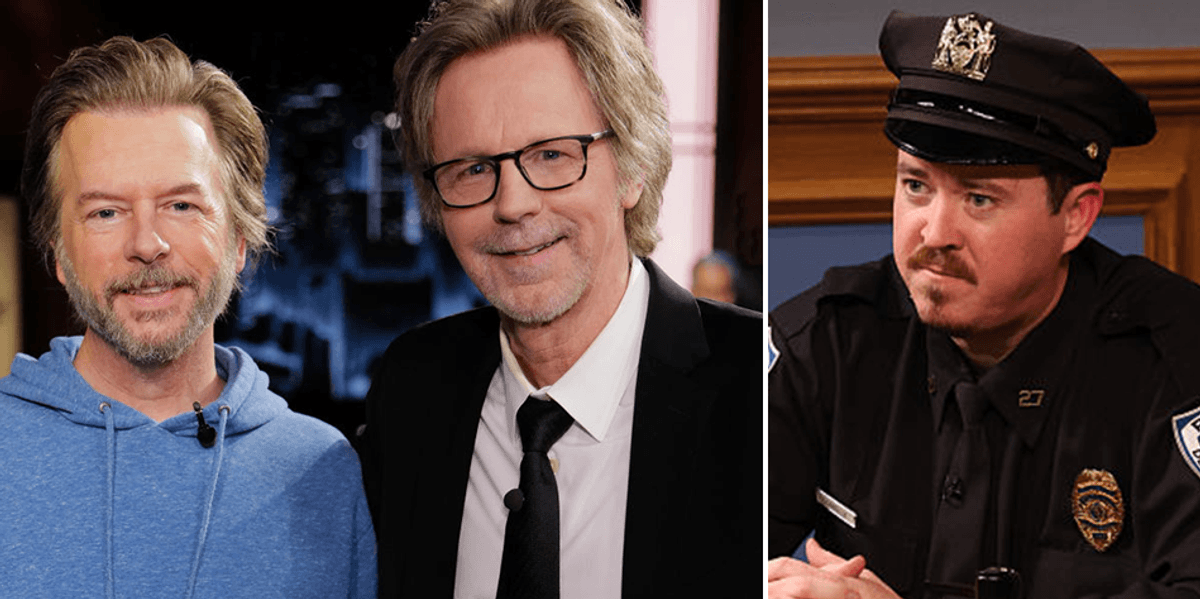
Dana Carvey’s quick reaction to Shane Gillis’ controversial SNL performance landed with a mix of surprise, restraint, and a little old-school comedy wisdom. The moment tapped into a bigger conversation about where stand-up edge meets live-TV risk, and why some jokes hit harder when the room is already tense.
There is no shortage of opinions when a comedian pushes into dangerous territory on a stage like Saturday Night Live. In this case, Carvey kept it simple, and that bluntness made the reaction stand out even more. A single word can sometimes say more than a long speech, especially in comedy, where timing and instinct matter as much as the punchline.
Carvey has spent decades around sketch comedy, celebrity pressure, and the weird little ecosystem that grows around late-night TV. That background gives his response weight, because he has seen how fast a joke can turn into a headline and how quickly a live audience can shift from laughter to discomfort.
Gillis has built a reputation on material that does not always play it safe, and that is part of why he remains such a polarizing figure. Some viewers see that as refreshing, while others see it as needlessly provocative. Either way, his presence on a show as tightly controlled as SNL almost guaranteed the response would get attention beyond the studio.
What made the moment interesting was not just the joke itself, but the reaction around it. Comedy veterans often understand that a controversial line can become larger than the sketch, especially when the audience is already primed to pick sides. That tension is exactly what keeps these debates alive long after the broadcast ends.
Carvey’s history on SNL adds another layer to the story. He knows what it takes to make a sketch land, how fragile live performance can be, and how much judgment can hang on a few seconds of airtime. When someone with that kind of background responds in such a compact way, it tends to carry a certain authority.
There is also the broader reality that modern comedy lives under a microscope. Every joke can be clipped, reposted, dissected, and turned into a culture-war argument before the credits even roll. That pressure changes the way viewers interpret everything, from a smirk to a silence to one carefully chosen word.
For Carvey, the reaction fit a long tradition of comedians signaling approval, discomfort, or skepticism without turning the whole thing into a lecture. That style can be more revealing than a polished statement, because it leaves space for people to hear the tone behind the word instead of being told exactly what to think.
David Spade has also long been part of that same comedy lane, where the sharp comment and the dry reaction often say enough. The scene around Gillis’ appearance showed how much of comedy still depends on personality as much as material. When legends and newer voices collide, the result is often less about agreement and more about the friction that keeps the conversation moving.
The bigger takeaway is that controversial comedy still matters because it exposes the fault lines in what audiences will accept, excuse, or celebrate. A live sketch can become a test of taste, timing, and nerve in a matter of seconds. And when a veteran like Carvey answers with just one word, that word ends up carrying the entire weight of the moment.
