
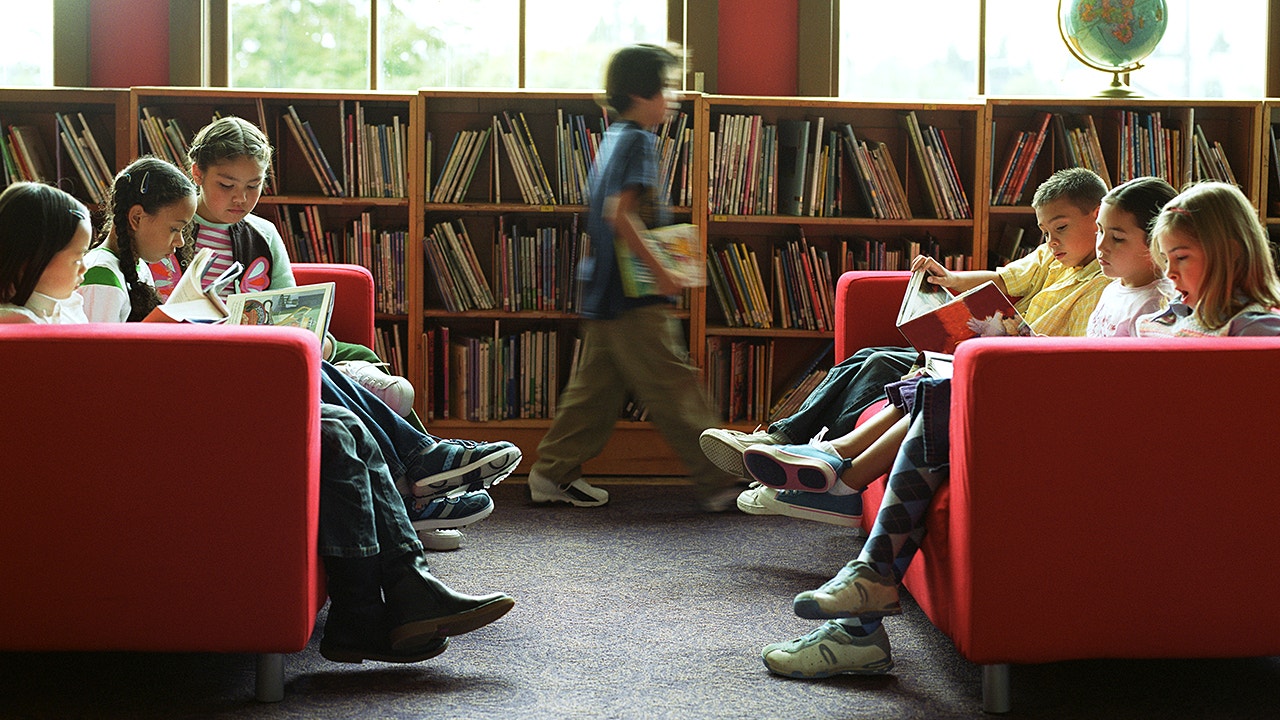
Kids learn best when their minds are fed with strong ideas, vivid language, and stories that actually stick. Charlotte Mason’s old-school vision of “living books” pushes back hard against the flat, bureaucratic feel of modern textbooks and screen-heavy schooling, making a case for reading that feels alive instead of recycled.
Late September usually means school routines are locked in and the usual materials are already in full swing. That is exactly where the problem shows up, since a lot of public school content can feel bland, committee-built, or loaded with an agenda that does little to stir curiosity.
Charlotte Mason, a British reformer from the 19th century, offered a sharper idea: children are not just containers for facts, they are hungry for ideas. Her approach has long been a favorite in homeschooling circles, but its appeal reaches far beyond that world because it speaks to something basic about learning itself.
At the center of her thinking was a simple belief that still lands today. Children need intellectual nourishment the way they need good food, and the best nourishment comes from books, art, and music that carry real substance rather than filler.
That is why Mason drew such a hard line between ordinary textbooks and what she called “living books.” Textbooks often flatten a subject into sterile bullet points, while living books come from a single author with a real voice, real conviction, and a deep command of the material.
“For the best thought the world possesses is stored in books,” Mason wrote in “Parents and Children.” She also insisted, “Children must have books, living books … the best is not too good for them; anything less than the best is not good enough.”
The point was not just literary elegance for its own sake. Books like these pull children in because they engage the imagination, sharpen attention, and make facts feel connected to actual human experience instead of a worksheet on a desk.
That is part of why titles such as “The Trumpet of the Swan,” “Black Beauty,” and “A Little Princess” keep showing up in conversations about strong early reading lists. They do more than deliver information, because they build memory through story, character, and emotion.
Older students can handle even more. Books like “Pride and Prejudice,” “David Copperfield,” “Through Gates of Splendor,” and the “Lord of the Rings” trilogy offer rich language and layered ideas that invite deeper thought instead of quick consumption.
Living books also do something textbooks often fail to do. They challenge readers with vocabulary and syntax that stretch the mind, which is part of how children grow into confident readers rather than passive ones.
That older style of English is not a problem to avoid. Dickens, the King James Bible, and E. B. White all show that young readers can handle more than many adults give them credit for, and often thrive when the language is a little demanding.
White put it plainly when he said, “Anyone who writes down to children is simply wasting his time. You have to write up, not down. Children are demanding. They are the most attentive,
