
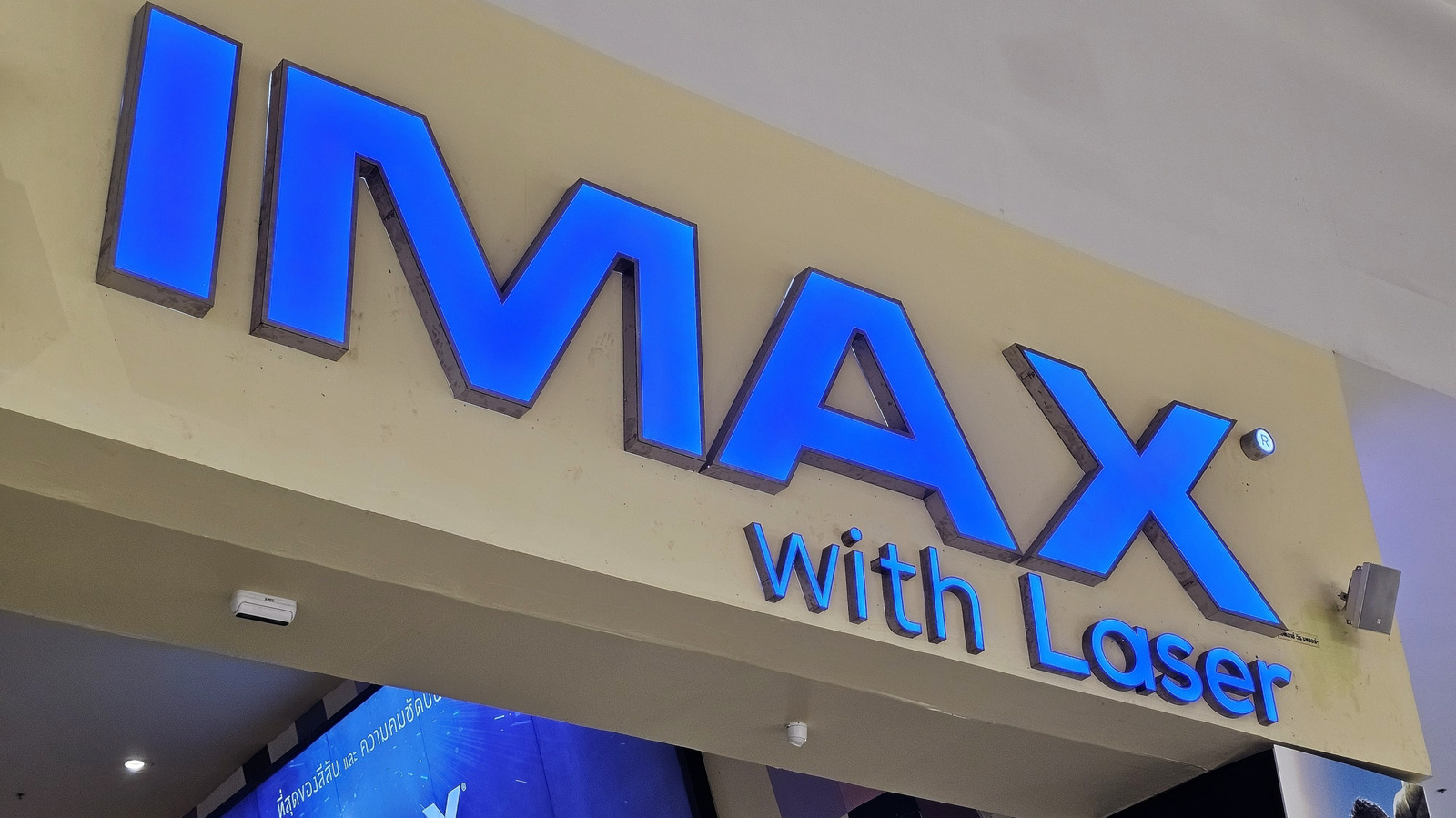
IMAX has come a long way from its early life as a home for documentaries and giant nature films, and the format now comes in a few very different flavors. The big split today is between IMAX with Laser and the older digital IMAX setups, with GT Laser sitting at the top for picture size and immersion. The differences are real, and they change everything from sharpness to screen shape to how much of the image actually reaches the audience.
Back in the day, IMAX was the kind of thing people associated with massive educational films and huge scenic journeys. That changed once Hollywood got on board in a bigger way, and movies like “The Dark Knight” helped push IMAX into the mainstream with scenes shot using IMAX 70mm cameras. As blockbuster demand grew, more theaters wanted the label, but not every location delivered the same experience.
That is where confusion started to creep in. During the late 2000s, many multiplexes installed IMAX digital systems that used smaller screens and 2K Xenon projection, which looked decent but did not feel like the towering IMAX image people expected. Some of those presentations even cropped the 1.43:1 frame, and moviegoers who paid for a premium experience often walked out feeling shortchanged.
IMAX with Laser was built to fix a lot of that frustration. The newer system uses 4K resolution, stronger brightness, and more contrast than the older digital projectors, so the image hits with more punch and detail. It is a clear step up, especially in darker scenes where weak projection can flatten the whole movie.
The tech behind it is also very different. Traditional digital systems depend on a prism to separate red, green, and blue light from a Xenon bulb before the image gets pushed through the lens. IMAX Laser skips that old setup and uses its own Free Space Light Engine, sending laser light directly toward Digital Micromirror Device chips for a cleaner, more precise result.
That change matters because cutting down on optical glass helps preserve clarity and contrast. IMAX also leans on Invar, a material known for staying stable under temperature changes, which helps keep the projection system steady and avoids some of the visual issues that can happen when internal parts expand or contract. It is the kind of behind-the-scenes engineering that most people never see, but they definitely feel it on screen.
Still, not every laser-branded IMAX theater is the same. If GT Laser is available, that is the premium choice, since it uses dual projectors and can fill a much taller 1.43:1 frame. Screens in these venues are huge, and the experience is built to match the scale of the format instead of squeezing it down for convenience.
By comparison, IMAX with Laser at a multiplex usually runs with a single projector and a 1.90:1 aspect ratio. That still looks impressive, especially when stacked against a standard non-IMAX auditorium, but it trims off some of the image at the top and bottom compared with the full-format presentation. For a film shot with IMAX cameras from edge to edge, that difference can be hard to ignore.
Size plays a role too. A GT Laser auditorium can feel thunderously large, with screens that dwarf typical multiplex setups, while the standard IMAX with Laser room is smaller and more restrained. Even so, both are designed to deliver a stronger visual experience than the old digital IMAX systems that earned a bad reputation in the first place.
That is why the word “IMAX” alone is no longer enough to tell the full story. The format now covers a range of projection systems, and the gap between them can be dramatic depending on where the ticket is bought. For anyone chasing the fullest picture and the biggest sense of scale, the details behind the label matter more than ever.
