
• Pocket rescission and the fight over federal spending
• Cuts aimed at immigration, education, and diversity programs
• The clash between the White House, Congress, and the GAO
• Republican push to block spending seen as ideological
• A revived budget tactic with a long legal shadow
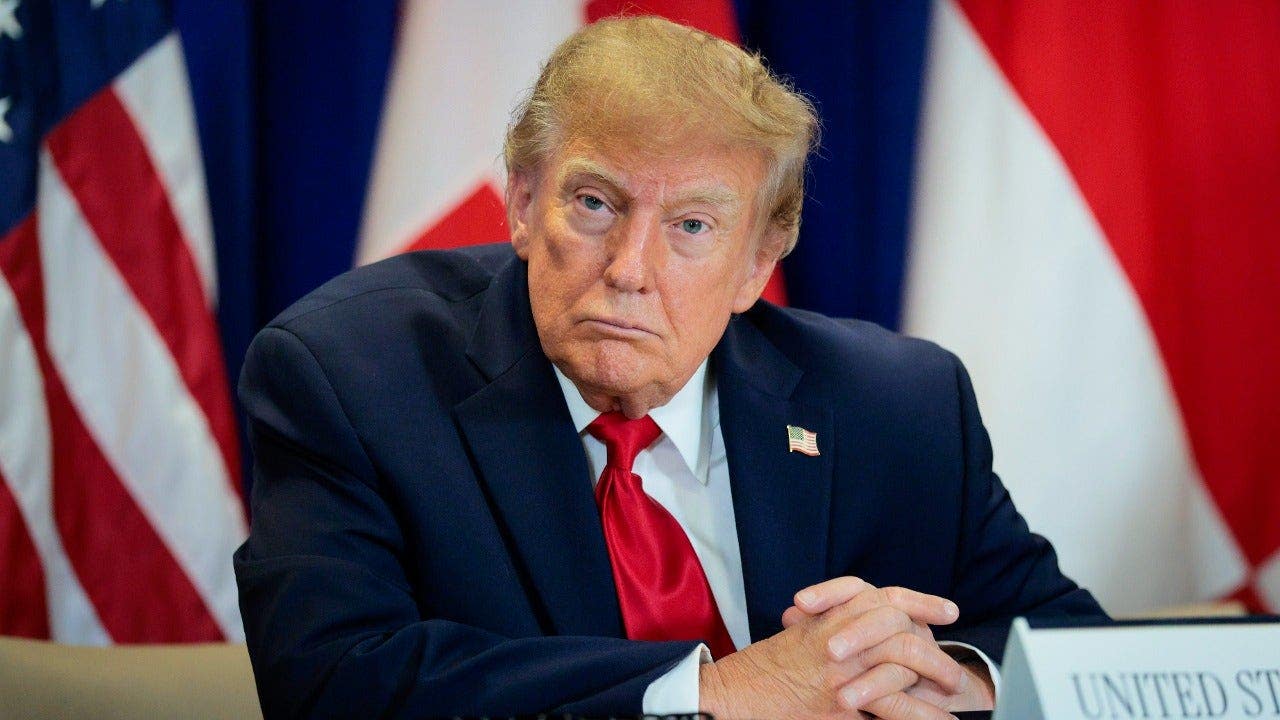
The Trump administration moved to cancel $810 million in spending that had already been approved by Congress, targeting programs tied to illegal immigrants, diversity efforts, and other initiatives officials said do little for American citizens. The move brought an old, rare budget tool back into the spotlight and immediately lit up the fight over who really controls federal money.
At the center of it all is a “pocket rescission,” a maneuver the White House says falls within executive authority. Congress and the Government Accountability Office see it differently, arguing that it pushes past the president’s power and cuts into the legislature’s constitutional role.
The biggest chunk of the rollback, about $567 million, hit Health and Human Services programs that sent money to outside groups working with refugees, asylees, and other noncitizens. That alone set the tone for the rest of the package, which the administration framed as a cleanup of spending that had drifted far from the public interest.
Another $25 million was marked for elimination from education programs for migrant students, with the White House pointing to projects that included an LGBT youth summit and workshops described as “Therapy for Latinx workshops.” Those examples became a shorthand for the administration’s broader argument that some federal grants have wandered into territory most taxpayers never asked for.
The cuts did not stop there. The administration also went after what it called “Woke International Education,” stripping out $70 million from programs that help bring foreign students and faculty to the United States, while saying some of the money had even supported dissertations on “queer and trans community building in foreign countries.”
Other targets included a Justice Department office focused on reducing racial tensions, a business development effort for minority entrepreneurs, housing counseling services, and a set of Health and Human Services grants labeled by the White House as “outright harmful and blatantly ideological.” The message from the administration was simple and sharp: federal dollars should not be used to prop up activist-style programming dressed up as public service.
The political backlash was just as sharp. Sen. Susan Collins of Maine blasted the move as “the most recent attempt by this Office of Management and Budget (OMB) to undermine Congress’s Constitutional power of the purse.” She warned that the timing was no accident, since the rescission landed near the end of the fiscal year, when unspent funds could lapse before lawmakers had a full 45-day window to react.
That timing matters because the House is out of session through the November election, which makes any quick congressional response a lot harder. Collins said the independent Government Accountability Office has already concluded that pocket rescissions are unlawful under the Impoundment Control Act, and she promised to push back on what she called illegal action.
The White House, though, is leaning hard in the other direction. OMB Director Russ Vought has said the law does not specifically bar a president from rescinding money near the end of a fiscal year, and the Congressional Research Service has noted that same argument in its own review.
The legal and political tension here is not new, but the stakes are bigger now because the Trump team has already used this tactic before. Last year, Trump advanced a pocket rescission aimed at $4.9 billion in foreign aid, and while the Supreme Court declined to shut it down, the broader battle over executive power kept going.
That history gives the current fight extra weight, especially since the last pocket rescission before Trump’s came under Jimmy Carter, and even that one was proposed well before the deadline clock ran out. The administration is clearly betting that speed, timing, and a narrow reading of the law will let it move money off the books before opponents can slow it down.
