
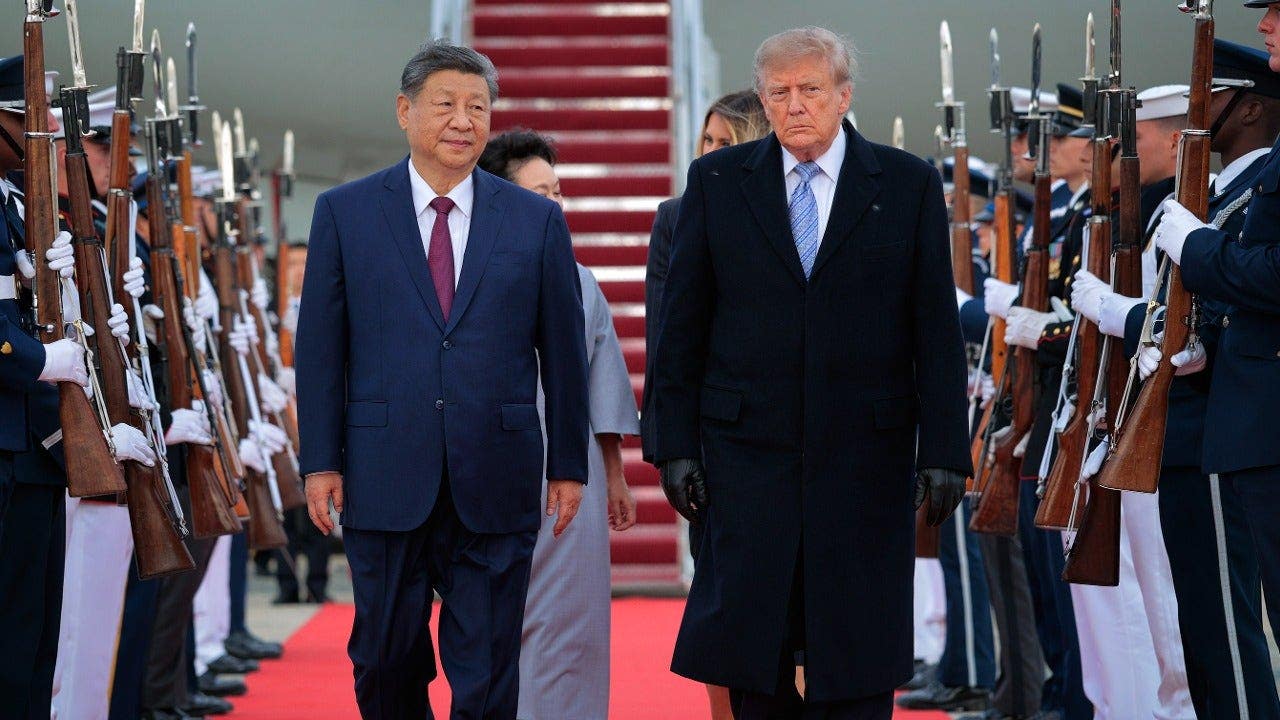
The U.S. and China just took a noticeable step back from the tariff cliff, agreeing to cut duties on $30 billion in goods after a three-day summit in Washington, D.C. The deal gives certain agricultural products, seafood, medical devices, toys, and children’s car seats a smoother path, while both sides keep working through the bigger fights that have defined the trade war.
The White House said the reductions apply to “non-sensitive goods,” which is the kind of wording that signals progress without pretending everything is suddenly fixed. U.S. exports like logs, wood products, cosmetics, fish, and medical equipment are set to get better treatment in China, while Chinese small appliances and holiday items will also see easier tariff terms in the American market.
The agreement came out of the U.S.-China Board of Trade, a new channel that was first floated during Trump’s trip to China in May and then locked in during Xi’s visit to Washington this week. That matters because it gives both countries a formal place to keep talking instead of lurching from one crisis to the next.
The summit itself was loaded with symbolism, but the real action was in the back-and-forth over trade terms. Treasury Secretary Scott Bessent and U.S. Trade Representative Jamieson Greer handled much of the heavy lifting, while Chinese officials came to the table knowing the pressure had been building for months.
Greer said more details would be coming on Monday, and that’s a reminder that this is still a work in progress. The final tariff rates and the full list of covered products have not been released, so the headline win comes with plenty of unfinished business attached.
The latest truce is a sharp contrast from the hard-edged trade clash that erupted after Trump imposed a 10% tariff on all Chinese imports in February 2025. The administration tied that move to Beijing’s role in the fentanyl crisis and illegal immigration, and China quickly answered with tariffs on U.S. coal, liquefied natural gas, crude oil, and cars.
Things got uglier from there. By April 2025, U.S. tariffs on Chinese goods had surged to 145%, and China retaliated with tariffs as high as 125% on American products, turning the dispute into one of the most aggressive trade standoffs in years.
There were pauses along the way, but no one should mistake those pauses for peace. In Geneva in May 2025, both sides agreed to a 90-day truce that brought U.S. tariffs down to 30% and China’s to 10%, and that temporary arrangement was extended again in August.
Another round of talks in South Korea in October 2025 added more movement, with China promising to crack down on fentanyl precursors, restart purchases of U.S. soybeans, and loosen restrictions on rare-earth exports. In return, the United States agreed to ease tariffs further, showing how each side has been using pressure and concessions as bargaining chips.
The new deal keeps that pattern alive, but with a little less heat and a little more structure. By putting more of the conversation through the Board of Trade, the two countries are building a lane for additional tariff cuts and other disputes, which is exactly the kind of setup that can either steady the relationship or expose the next round of friction.
