
Your refrigerator’s compressor often gets blamed for big repair bills, but the final tab depends on how many extra smart parts and sensors your model uses. Modern fridges pack electronics that can raise costs, while simpler machines usually stay cheaper to fix. This article walks through what drives repair price, when the compressor really matters, and how to think about repair versus replacement.
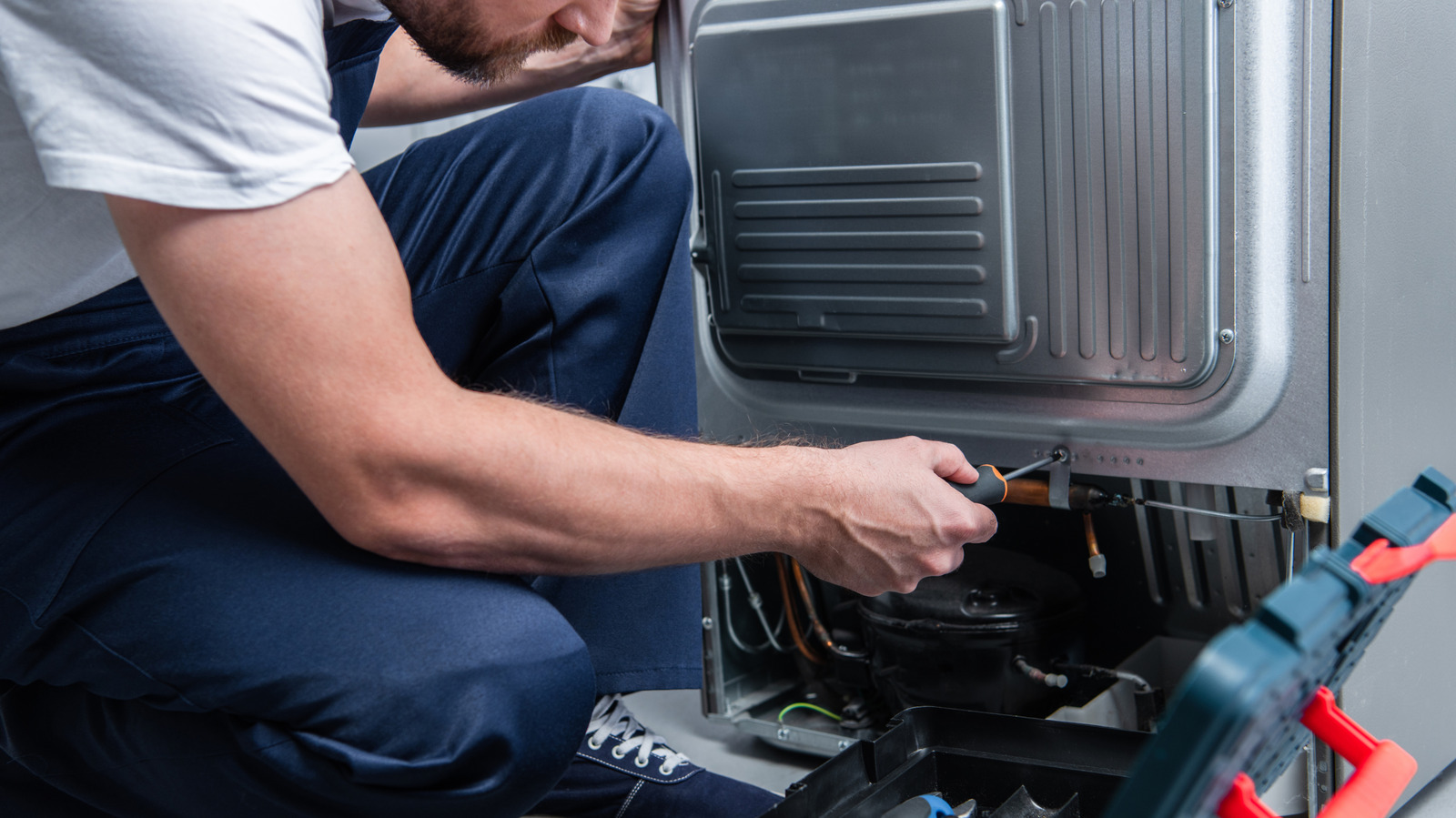
The compressor is the heavy lifter in any cooling system, compressing refrigerant so your fridge stays cold. If it fails, the unit usually stops cooling and needs professional attention, which can be expensive because the part and labor are significant. But the compressor is not always the most expensive or the only component that can break down.
Smart refrigerators add layers of complexity with control boards, sensors, touch displays, and Wi Fi modules that all increase repair risk. A single failed circuit board can mimic compressor failure by preventing the compressor from getting power or running at the right speed. That means a service call that might sound like a compressor issue could turn into an electronics job once the technician opens the panel.
Inverter compressors are more efficient but trickier to troubleshoot than traditional fixed-speed motors. They rely on variable-frequency drives and precise electronics to vary speed, so a control module problem can leave the compressor fine but unable to run correctly. Replacing an inverter board or diagnosing intermittent faults takes time and skill, which shows up on the final invoice.
Sealed system problems like leaks or damaged tubing are another costly category tied to the compressor area. Fixing a leak, evacuating the system, and recharging refrigerant often requires certified technicians and special equipment, and parts for sealed systems are not cheap. Those jobs can easily outprice simple electronic fixes and sometimes approach the cost of buying a new unit depending on age and condition.
Warranties and parts availability change the math dramatically. Many newer fridges come with sealed system warranties that cover compressor issues for a decade or more, while control boards and displays might have much shorter coverage. Before authorizing work, check what’s still covered and whether the manufacturer will ship parts, because delays and unavailable modules can push owners toward replacement.
Routine diagnosis saves surprises: a good technician will check sensors, the start relay, condenser fan, and the control board before condemning the compressor. Simple fixes like a clogged condenser coil, a failed fan motor, or a bad start relay can restore cooling for a fraction of the cost of swapping the sealed system. Asking for a clear written estimate that separates parts and labor items helps you decide whether to repair or replace.
When repair costs creep toward half the price of a new refrigerator, replacement is worth considering, especially with older, less efficient models. New units offer better energy performance and newer features that can justify the spend if the old appliance is near the end of its expected life. For relatively new models, replacing a major component can be economical if it extends life by several years and the spare part is available at a fair price.
Practical steps to reduce risk include regular maintenance, keeping condenser coils clean, and avoiding prolonged power issues that stress electronics and compressors. If you buy a smart fridge, factor potential electronics repairs into ownership costs the same way you budget for appliances with complicated features. Clear communication with your technician, checking warranties, and weighing repair quotes against replacement prices will help you make a sensible decision when cooling trouble strikes.
