
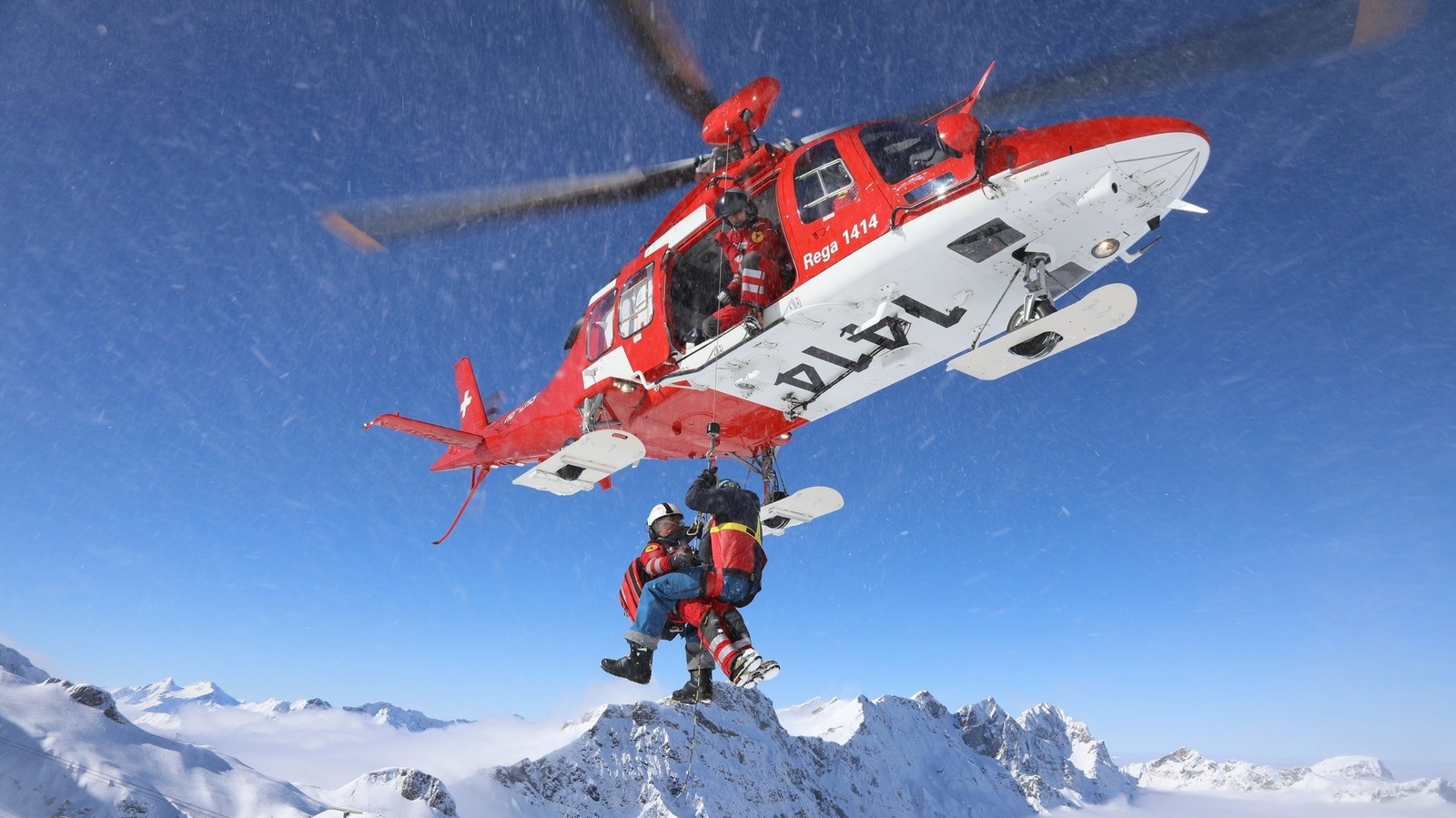
Air ambulances are jaw-dropping when you see them slip into tight spots and hover over landing zones, and there’s clear engineering and skill behind every move. This piece walks through the core reasons those helicopters can pull off dramatic, lifesaving maneuvers and what pilots, machines, and crews do to make it look easy.
First, the physics. Helicopters use a rotating wing called a rotor to create lift, and pilots control that lift in three distinct ways: pitch, roll, and vertical thrust. That direct control gives them the ability to hover, move sideways, and rotate on the spot, which fixed-wing aircraft can’t do. Those capabilities are the technical backbone of any air ambulance mission.
Second, rotor design matters. Many emergency helicopters use semi-rigid or rigid rotor systems that respond quickly to pilot inputs and recover well from sudden gusts. Smaller rotor diameters and advanced blade aerodynamics reduce required space for maneuvers, letting crews operate in tight urban canyons and on highway shoulders. Those design choices trade off top speed for superior low-speed control, which is perfect for medevac work.
Pilot technique is where the machine becomes magic. Air ambulance pilots train for confined-area approaches, steep approaches, and precision hovering, often rehearsing simulated rescues at night and in bad weather. A smooth hover is a constant, tiny series of corrections, not a single action, and experienced pilots develop near-microscopic motor skills to hold position. That training is why seemingly impossible landings become routine for them.
Another big factor is the tail rotor and anti-torque systems. The main rotor creates torque that would spin the fuselage without counteraction, so the tail rotor or other anti-torque solutions keep the helicopter facing the right way. Newer models may use fenestrons or NOTAR systems to reduce noise and increase control near people and buildings. Those systems add stability when pilots must hold a precise heading during patient loads and offloads.
Weight and balance are practical but underappreciated elements. Every pound matters in a rescue, so crews carefully manage fuel, medical gear, and patient placement to keep the center of gravity within safe limits. Helicopters built for emergency work often accept lighter, mission-specific interiors to maximize performance and allow for better maneuvering in marginal conditions. That planning ensures the aircraft still responds crisply when it needs to.
Sensors and avionics play a supporting role. Modern glass cockpits, autopilot stability modes, and terrain awareness systems help pilots concentrate on the rescue rather than fighting the machine. Night vision compatibility and high-intensity landing lights expand the operational window into darkness, which is when many critical transports happen. But technology supplements skill rather than replacing it.
Maintenance and reliability are constant priorities. Air ambulances fly demanding profiles with frequent takeoffs and landings, so rigorous inspection routines and quick-turn servicing keep them safe and ready. Mechanical redundancy on key systems means a single failure rarely turns a manageable situation into a disaster. Those reliability practices are as important as any pilot maneuver when lives are on board.
Finally, crew coordination turns flying skill into effective rescue. Pilots, flight nurses, paramedics, and ground teams rehearse approaches, patient transfers, and communications so the entire operation flows. Clear procedures for landing zone setup, patient loading, and emergency contingencies reduce hesitation and allow the helicopter to focus on precise flight rather than improvisation. That teamwork is essential in tight or hazardous environments.
All these elements add up: rotorcraft physics, design tradeoffs, pilot mastery, avionics, careful weight management, maintenance discipline, and crew coordination. Together they let air ambulances perform the tight turns, steep approaches, and delicate hovers that save time and lives in places no ambulance can reach. Every dramatic rescue you see on video is the visible result of engineering plus endless practice and professionalism.
