
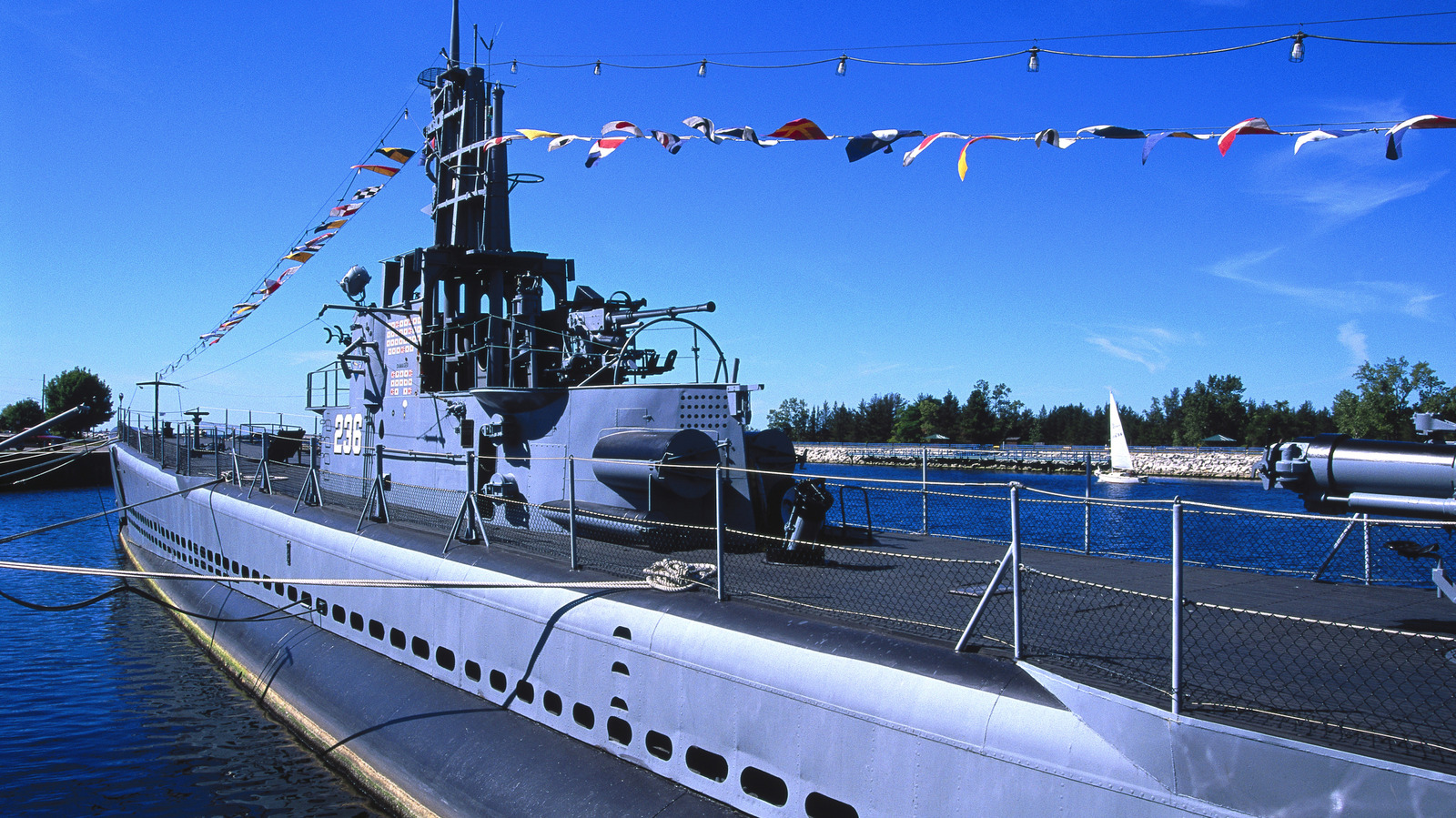
This piece walks through the upcoming preservation work on one of World War II’s most decorated submarines, explaining what structural, mechanical, and interpretive upgrades are on the agenda and how preservation teams plan to tackle them this summer. It covers the vessel’s wartime significance, the technical repairs needed, the conservation techniques that protect historic fabric, and how crews will sequence the work without closing the museum experience for long. Expect a behind-the-scenes look at the practical steps that keep a steel warship intact for future visitors.
The submarine sits at the intersection of national memory and hard, salty engineering problems. Decades of exposure and decades of hands-on use left the hull, decks, and interior systems in need of careful treatment. Conservators and shipwrights face corrosion, old repairs that failed, and materials that were never intended to survive another century.
The first major task is a thorough assessment and stabilization of the pressure hull and exterior plating. Teams will inspect welds, fasteners, and seams with non-destructive testing, then tackle localized plate replacement where metal has thinned beyond safe limits. That work restores structural integrity without erasing the vessel’s historic character.
Belowdecks systems are next on the list, because visitors and staff rely on dry, safe interiors to tell the story. Old electrical wiring, lighting fixtures, pumps, and ventilation will be either conserved or sensitively upgraded to modern safety standards. Planners will isolate new systems so they can be serviced without disturbing original fittings and artifacts.
Conservation of interior surfaces is a slow, meticulous process that balances preservation with readability for the public. Paint conservation, removal of hazardous materials like loose lead paint where necessary, and treatment of timber or rubber components will be prioritized. Specialists will document every intervention so future conservators understand what was changed and why.
Access and interpretive improvements are part of the work, but they will not overshadow historic fabric. Ramps, handrails, and clearer visitor circulation paths will be designed to be reversible when possible. New signage and lighting will highlight key spaces while keeping the feel of an authentic submarine experience.
Environmental control plays a huge role in long-term preservation, so the project includes upgrades to humidity control and ventilation. Modern dehumidification units and targeted exhaust systems will reduce condensation and slow salt-driven corrosion. Those systems are being chosen for low visual impact and for easy maintenance in a museum setting.
Logistics matter more than most visitors realize, and that is where careful scheduling comes in. Work will be phased so the vessel can remain partly accessible during the summer program, with major disruptive work concentrated in short dry-dock windows. Contractors with naval conservation experience will coordinate with museum staff to protect artifacts and maintain public programs.
Funding and compliance shape what gets done and when, and team leads are juggling grant timelines, permitting, and conservation best practices. Environmental rules guide removal and disposal of hazardous materials, and historic preservation standards require detailed records of every repair. The project mixes federal and private resources, practical shipyard know-how, and the kind of specialized craftsmanship that keeps history alive.
Visitors should expect a cleaner, safer, and more informative experience once work is complete, but the heart of the vessel will remain the same. Original bulkheads, equipment, and signature spaces will be conserved so they continue to tell the story of service and sacrifice. The goal is to leave the submarine stronger and more accessible while preserving the marks of its wartime life for future generations.
