
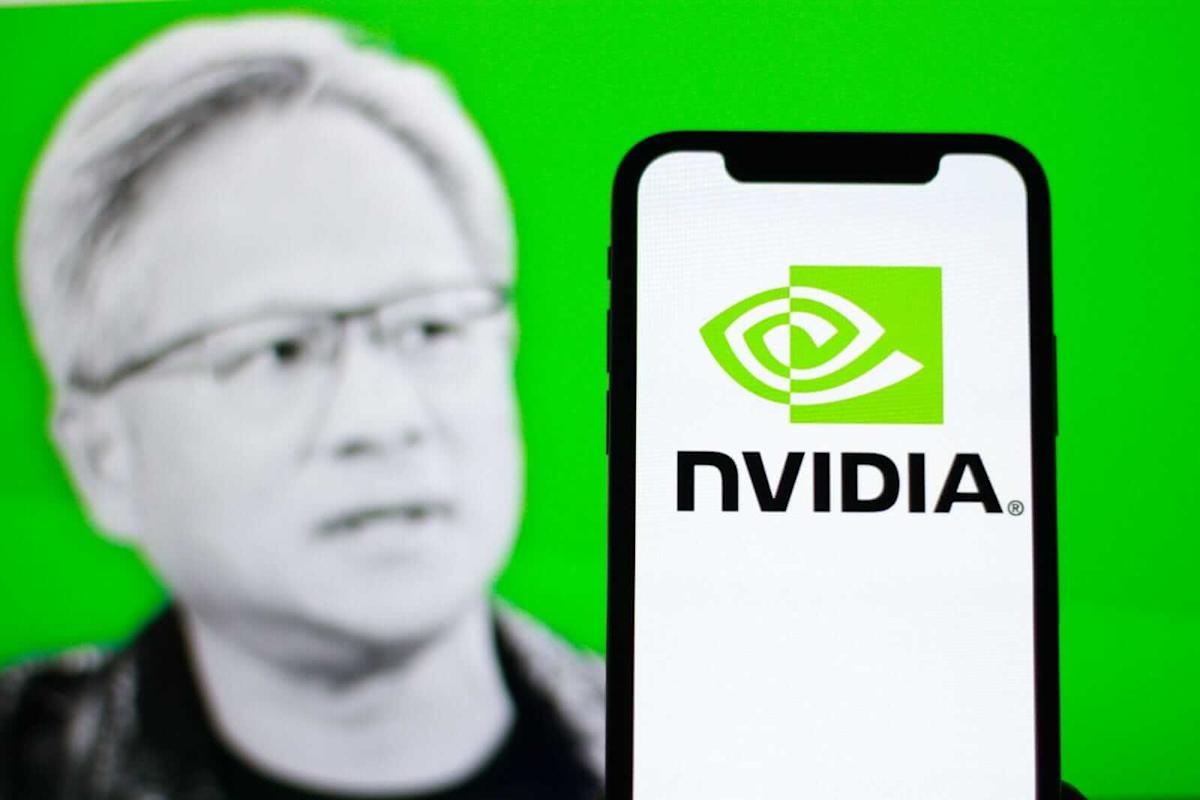
Nvidia’s CEO says the recent chip sell-off is more of a pause than a collapse, arguing the AI-driven buildout is still in its infancy and the pullback could be a buying window. The market roar that pushed semiconductor stocks higher was fueled by massive spending on AI infrastructure, but a sharp rotation and supply chatter shook that momentum. This piece looks at why Huang isn’t rattled, where the pressure came from, and why fundamentals still point toward durable demand for chips.
The semiconductor sector powered big market gains as cloud giants funneled money into data centers, advanced processors, and memory stacks. That surge left valuations stretched and expectations sky-high, so a stumble felt inevitable after such rapid moves. When chips corrected, it felt loud because they had become the leadership story for the year.
The recent rout kicked off after a major supplier issued weaker-than-expected AI revenue guidance, which quickly rattled investor confidence across the group. A strong jobs report later in the week raised rate-hike fears and added fuel to the slide, turning a company-specific miss into a sector-wide rotation. Markets from Seoul to Tokyo showed the spillover, underscoring how interconnected semiconductor sentiment has become.
Jensen Huang, speaking in Seoul, pushed back against the panic and urged investors to look beyond the headline noise. “We’re at the beginning of it, and whatever happened to the stock market, you should be very happy because now you can buy at a discount,” Huang said. “Everybody should be very excited.”
Huang has also framed the longer arc in blunt terms: “It is a foregone conclusion that AI will be infrastructure for the world, just like the internet was infrastructure for the world,” Huang said. He’s arguing that today’s factory lines, server rooms, and chip ecosystems will become as foundational as routers and fiber once did.
That long-run case rests on solid, measurable commitments from the hyperscalers. Tech giants plan enormous capital expenditures this year, with estimates in the hundreds of billions and projections well above a trillion dollars in the coming years, and much of that goes into AI-focused data centers. A big share of that spend flows directly into semiconductors and compute hardware, which translates into tangible demand for GPUs, memory, and server CPUs.
Meanwhile, supply dynamics are not soothing. Memory and GPU availability remains tight, and CPUs are increasingly constrained, which gives suppliers pricing leverage. Executives from major cloud providers have already pointed to rising component costs as a material part of their capex increases, showing that elevated demand and limited supply are pressuring input markets.
Analysts responded to those trends by nudging up revenue and margin estimates for chipmakers after the latest earnings season, reflecting higher selling prices and stronger demand visibility. The combination of rising forecasted sales and expanding margin assumptions helped underpin elevated earnings models across the sector. That’s why many investors see the recent pullback as a recalibration rather than a reset of the bull thesis.
For investors the takeaway is practical: the backdrop supports long-term demand, but selective discipline matters more than ever. After a torrid run, much of the upside for top names is baked into prices, so picking companies with clear pricing power and supply chain advantage reduces downside risk. Buying into strength in fundamentals rather than headlines is a cleaner way to play the AI infrastructure theme.
Nvidia remains central to the debate because its products sit at the core of current AI stacks and its stock has been a lightning rod for the rally and the pullback alike. At times this year the forward multiple has swung dramatically, creating moments where long-term buyers saw opportunity. Those swings mean volatility will stay part of the story as the industry digests massive capex and evolving supply constraints.
There’s no denying the emotions in a sell-off, but the data points driving enterprise and cloud spending have not vanished. Investors weighing dip buys should match conviction with careful sizing and an eye on execution risks, because while the infrastructure buildout looks durable, the margin for error after a stretch of outsized gains is smaller than it was a year ago.
