
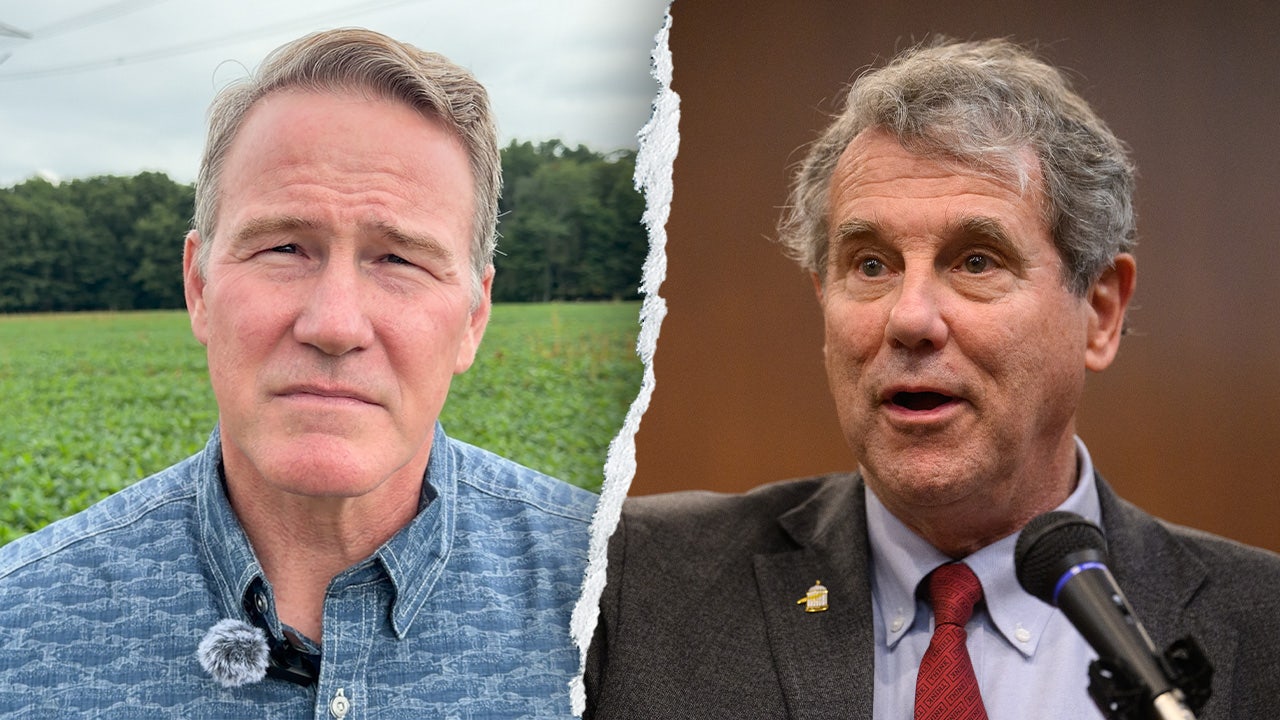
Jon Husted is leaning hard into a familiar political contrast in Ohio, hammering Sherrod Brown as a longtime Washington insider who never really left the capital mindset behind. With the Senate race expected to be one of the most closely watched fights in the country, Husted is betting that voters still remember why Brown was shown the door in the first place.
The Republican senator framed Brown as a career politician with deep ties to the system and little to show for it. Husted argued that Brown’s decades in elected office have left him out of touch with the state, saying Ohioans already made up their minds once and may not be eager to reverse course.
Brown’s defeat in 2024 after nearly two decades in the Senate gave the GOP fresh confidence, and Husted is clearly trying to keep that momentum alive. The race has taken on extra weight because control of the chamber could come down to a handful of competitive seats, putting Ohio squarely in the spotlight.
Husted also tied Brown to the broader baggage of the Biden era, especially on immigration. He blasted Brown’s past positions on border policy and said voters have grown tired of leaders who talk tough at home and vote left when they get back to Washington.
That line of attack fits into a bigger Republican message that Democrats helped fuel chaos and then shrugged when the fallout hit communities. Husted pointed to crime, fentanyl, and human trafficking as the real-world results of soft-on-border politics, arguing that Ohio voters know exactly who supported those policies.
Brown has tried to shift the conversation toward energy costs, using ads that target Husted over data centers and higher utility bills. But Husted pushed back fast, saying Brown had decades in Congress to deal with those problems and did nothing while the issues piled up.
The senator said his own approach is about forcing companies to carry their weight instead of dumping the costs on families. He argued that data centers should build their own power and pay their fair share, rather than leaving local residents stuck with the bill while politicians take credit for the growth.
Energy prices remain a powerful issue in Ohio, and Husted is making the case that Brown helped create the mess by backing a climate agenda that shut down power plants. He said the state would be in a much better position if more of its generating capacity were still online, and he tied those choices directly to higher bills.
Health care is another front in the argument, with Husted blaming Brown’s support for Obamacare for rising insurance costs. That message is aimed at voters who feel squeezed from every direction and want someone to point to a clear culprit instead of offering polished excuses.
Ohio has changed a lot politically over the past decade, especially as Donald Trump turned the state deep red in three straight presidential elections. Even so, polling has shown the Senate contest could still tighten, especially if Democrats manage to hold onto crossover voters and keep turning the race into a referendum on national issues.
Brown’s comeback effort has also drawn support from Senate Democrats who see Ohio as one of their best pickup chances. That makes the race more than a local brawl, since both sides know a win here could reshape the balance of power in Washington and set the tone for the next Congress.
For Husted, the strategy is simple: keep the focus on Brown’s record and make the election about trust, results, and who actually fights for Ohio. That means a steady stream of contrasts, plenty of blunt language, and a reminder that voters already had their say once before.
